How to Start a Flower Garden in 3 Steps
Updated: November 13, 2026
5
Creating a beautiful flower garden filled with vibrant blooms and stunning colors is easier than you might think, even for beginners. With a little planning and the right approach, you can transform any outdoor space into a colorful floral retreat. Follow these three simple steps to plan, design, and grow a thriving flower garden with practical tips for a rewarding gardening experience!

Table of Contents
Step 1 – Know Your Garden
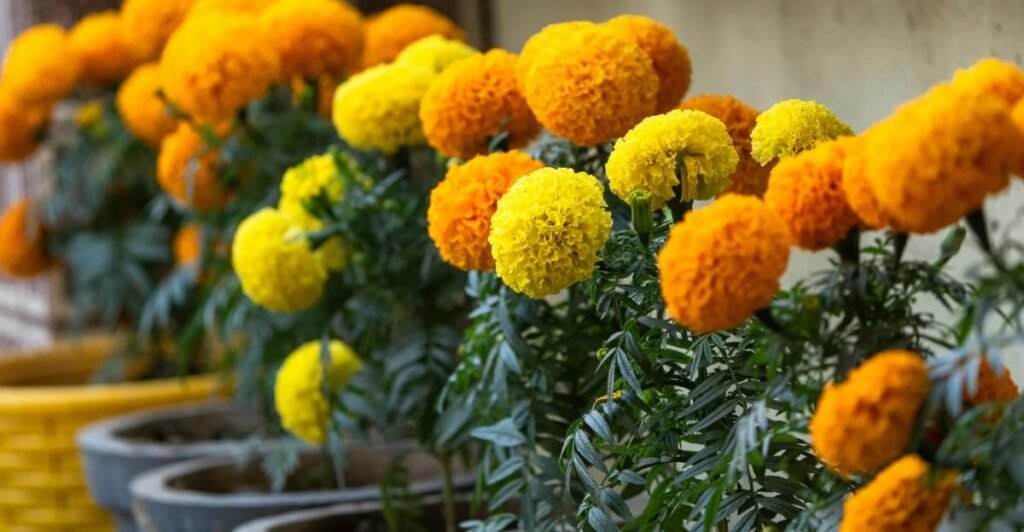
Before planting flowers, take time to understand your garden site, soil, sunlight, and available space. A perfect flower garden begins with proper observation and planning. Landscape architect Mary Ellen Cowan recommends listening to Mother Nature and understanding your land’s traits, including light conditions, moisture, and topography. Keep these important points in mind:
- Know Your Garden Location: Examine your planting area, sunlight exposure, shade, soil moisture, drainage, and topography to determine which flowers will grow successfully.
- Test Your Soil: Conduct a soil test by collecting soil samples from different garden spaces. Dig a one-foot-deep hole, gather a few tablespoons of soil, and repeat until you have enough samples to fill a quart-sized jar. Send them to a soil testing lab, such as the UMass Soil and Plant Nutrient Testing Laboratory, to understand soil nutrients and necessary soil amendments before planting.
- Choose Suitable Flowers: Learn which flower varieties are compatible with your garden soil and growing conditions. Erin Benzakein of Floret Flower Farm and horticulturist Carol Bornstein of the Santa Barbara Botanic Garden recommend exploring nearby natural areas and native flowers to discover plants that thrive in similar natural habitats. Beginners can also explore the easiest flowers for beginners when making their flower selection.
- Understand Your Frost Cycle: Check your area’s average first and last frost dates to plan seasonal gardening. Start seeds approximately four to six weeks before the average last frost date for faster plant growth and better establishment. Use a greenhouse or covered seed tray indoors under growing lights if outdoor conditions are unsuitable. Proper seed starting also helps reduce weeds and prepares your garden for autumn flowers.
- Consider Your Lifestyle: In A Beautiful and Easy Care Flower Garden, Stacy Ling encourages gardeners to consider their available time and gardening capacity before designing, planting, and decorating. Set realistic gardening goals, choose a manageable garden size, and establish a practical garden maintenance and care routine. You can always expand your garden next year.
Step 2 – Create Your Color Palette
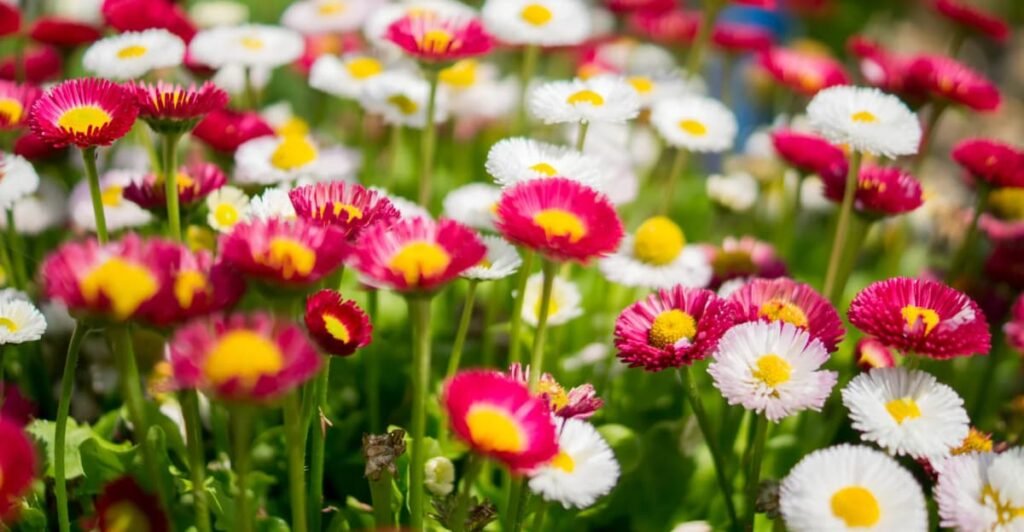
Choosing the right color palette is an important part of garden color design because it determines the overall appearance and atmosphere of your flower garden. According to Carol Bornstein, selecting a consistent color scheme helps create unity and maintain a unified landscape. Consider these points when planning your garden colors:
- Choose a Harmonious Color Scheme: Experiment with color variations, different color tones, and a monochromatic color scheme using shades from the same palette. This creates color harmony, improves visual impact, and gives your garden a balanced appearance.
- Combine Complementary Colors: Use the color wheel to identify complementary colors, contrasting colors, and opposite colors. Combinations such as blue and yellow flowers create fresh, lively, and summer colors that add excitement. These flower color combinations also introduce visual contrast and attractive juxtaposition.
- Use Warm Colors in Sunny Areas: In a sunny garden spot, warm tones such as yellow flowers, orange flowers, and red flowers look beautiful in natural light. According to Keith Wiley of Wildside Garden in Devon, England, golden hours around sunrise and sunset can enhance these colors. However, hot colors may sometimes create a flat color appearance when used alone, so balance them with blue flowers and complementary hues. Add occasional orange accents, red accents, and color splashes for garden vibrancy and visual interest.
- Balance Intense and Neutral Colors: Avoid excessive variety because too many intense colors can cause visual fatigue. Wiley recommends practicing color restraint, while Bill Thomas of Chanticleer suggests separating areas of high drama with neutral colors. Thoughtful color distribution creates peaceful garden areas and a relaxing garden atmosphere.
- Follow Your Personal Preferences: Landscape designer and garden author Jan Johnsen, in Heaven is a Garden, encourages gardeners to use their favorite colors. Personal color preferences make garden personalization easier and help create a peaceful landscape with a harmonious flower garden and balanced garden design.
In my gardening experience, repeating a few favorite shades throughout the planting area creates a more connected appearance. I also like adding occasional contrasting blooms to keep the garden lively without making the overall design feel overwhelming.
Step 3 – Design Like a Pro
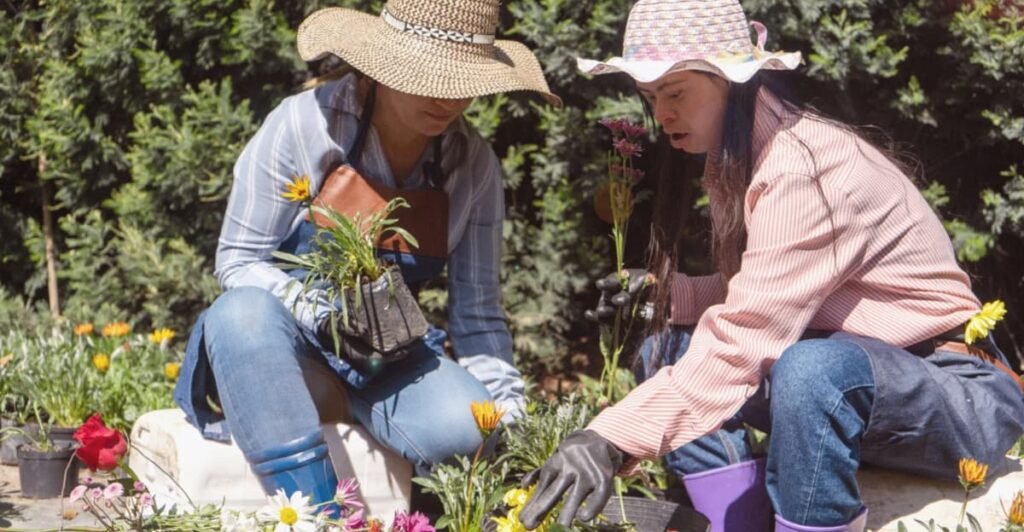
A beautiful flower garden needs more than attractive blooms; thoughtful professional garden design brings together shapes, colors, textures, and movement to create an engaging garden layout. World-renowned Dutch garden designer Piet Oudolf recommends beginning with garden shapes and exploring shape-based design using perennial plants. Consider these essential design principles:
- Design with Different Shapes: Explore different perennial flower shapes, including spires, plumes, daisies, buttons, globes, umbels, and screens. Combining different plant forms and flower structures creates interesting flower shape combinations. Experiment with contrasting and complementary shapes to achieve vibrant, dynamic combinations, while avoiding clashing shapes. Grouping similar flower shapes together provides visual reinforcement and improves garden composition.
- Use Repetition for Visual Unity: An important principle of garden design is repetition. Repeat key shapes, flower colors, and forms throughout the garden to create a sense of calm and visual unity. Keith Wiley recommends selecting plants with a long flowering season, good plant longevity, and a suitable appearance even after flowering. Consider their post-flowering appearance and garden conditions before choosing plants. Strategic repetition creates flower continuity, connects different garden areas, and makes garden transitions feel natural.
- Create Layers for Natural Depth: According to Matt James, author of How to Plant a Garden, layered garden design should look natural rather than resemble a staircase. Use subtle layering and overlapping layers to blend planting areas together. Arrange taller plants toward the back and shorter varieties toward the front, while maintaining clear sight lines for better flower visibility. Thoughtful plant placement, back layers, rear plants, garden borders, and border planting help create depth without hiding beautiful flowers.
- Combine Different Plants and Textures: Sean Hogan of Cistus Nursery near Portland, Oregon, recommends thinking in terms of plant combinations rather than individual species. Mix different plant heights, plant sizes, flower colors, garden scales, and plant textures to encourage plant diversity and seasonal interest. Relaxed plantings and naturalistic planting styles create an engaging garden with color movement and a beautiful meadow-like feel.
- Include Fragrance and Movement: Dan Hinkley, plant hunter and garden author, highlights fragrance and movement as essential elements of sensory garden design. Choose scented flowers and fragrant garden plants to introduce natural flower scents into your outdoor space. Consider natural breeze patterns, airflow, scent distribution, and fragrance direction when planting near your home or patio areas. This creates a pleasant home fragrance experience and makes garden patios and outdoor living spaces more inviting.
In my gardening experience, combining different flower shapes with repeated colors creates a naturally balanced garden. I also recommend planting fragrant flowers near seating areas so natural movement and gentle breezes bring their scents closer.
Bonus Flower Garden Tips
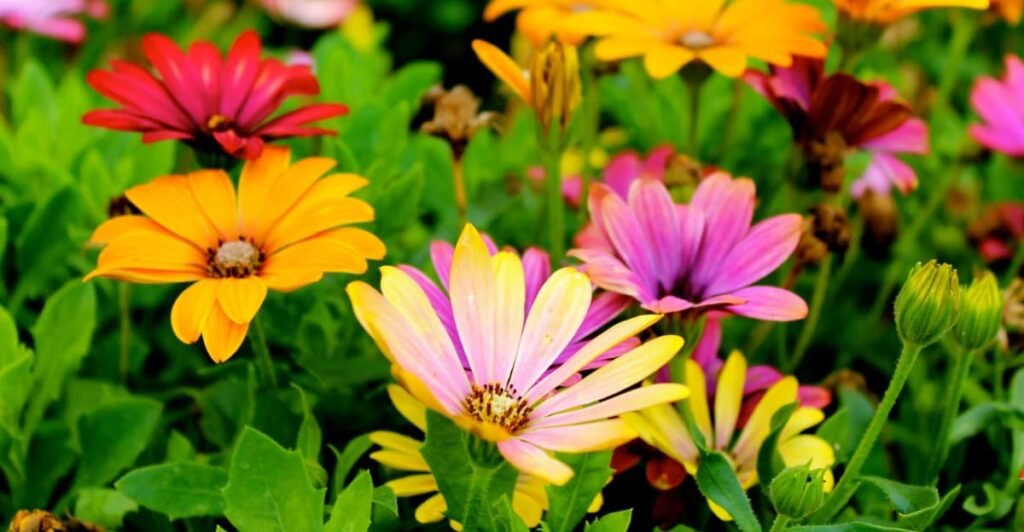
A few smart flower gardening tips can make your garden more productive, attractive, and easier to maintain. Keep these practical suggestions in mind:
- Plant Flowers Close Together: Close planting and proper planting spacing encourage longer flower stems, better stem growth, and increased flower production. Dense flower planting also supports weed prevention and weed reduction, helping create a productive flower garden.
- Grow Foliage and Filler Plants: If you enjoy flower cutting, include foliage plants, decorative foliage, greenery, and filler plants to make beautiful floral arrangements and flower arrangements in your cutting garden.
- Protect Your Flower Beds: Keep garden paths and garden pathways wide to prevent foot traffic from damaging flowers and improve garden accessibility.
- Choose Low-Maintenance Plants: Select smaller cultivars and compact cultivars to reduce pruning work. Place flowering shrubs and central shrubs in the garden bed center to add plant height, vertical interest, and year-round structure.
In my experience, these simple adjustments make flower bed arrangement easier and support a beautiful, low-maintenance flower garden throughout the seasons.
Conclusion
Starting a flower garden becomes much easier when you follow the right steps, from understanding your soil and sunlight to choosing beautiful colors and planning an attractive layout. With thoughtful plant selection, proper spacing, and a little regular care, you can create a gorgeous flower garden that blooms throughout the seasons. Start small, experiment with different flowers, and enjoy turning your outdoor space into a colorful and rewarding garden.
Frequently Asked Questions
1. How do I start a flower garden for beginners?
Start by selecting a suitable planting area, checking soil quality, and observing sunlight exposure. Choose easy-to-grow flowers, prepare the soil, and begin with a small garden space.
2. What is the best location for a flower garden?
Choose a location that receives adequate sunlight, has well-draining soil, and provides enough space for flowers to grow. Most flowering plants need at least six hours of sunlight daily, although requirements vary by variety.
3. What flowers are easiest to grow for beginners?
Some beginner-friendly flowers include marigolds, zinnias, sunflowers, cosmos, nasturtiums, and petunias. These varieties are generally easy to grow and offer beautiful seasonal blooms.
4. How should I arrange flowers in my garden?
Arrange taller flowers toward the back and shorter varieties toward the front. Combine different colors, shapes, heights, and textures while repeating selected flowers to create visual unity and a balanced appearance.
Please Write Your Comments