How to Grow Lettuce For Fresh Salad All Year Round
Updated: November 10, 2026
7
Tired of buying wilted lettuce and flavorless salad greens that lose their freshness almost overnight? Discover how to grow lettuce at home and enjoy crisp, delicious leaves straight from your own garden throughout the year. Keep reading to explore simple growing tips and start harvesting fresh lettuce for healthier, tastier salads!

Table of Contents
Why Lettuce Makes the Perfect Year-round Crop…Indoors

Lettuce is an excellent year-round crop for indoor gardening, especially for new gardeners who want fresh, homegrown vegetables. Varieties like butterhead lettuce and miniature romaine-type lettuce produce delicious, crunchy salads and fresh salad greens with simple care.
During summer heat, lettuce often bolts and becomes bitter, while winter snow can interrupt outdoor growing until spring. However, an indoor growing method allows you to enjoy fresh lettuce, maintain a steady homegrown lettuce supply, and avoid store-bought lettuce, wilted lettuce, and unwanted garden pests throughout the year.
I particularly enjoy growing indoor lettuce because its crisp leaves, fresh flavor, and crunchy texture make wonderful homemade salads. In my experience, growing lettuce indoors also makes harvesting easier without dealing with slugs and bugs.
What If You Don’t Have Space?
You don’t need a backyard to enjoy indoor vegetable gardening or growing lettuce indoors because small-space gardening, apartment gardening, and balcony gardening offer practical alternatives. Even without lawn access, garden access, or a backyard, you can use container gardening, indoor growing space, and balcony space to grow homegrown lettuce alongside your houseplants. Unlike elaborate hydroponic setups or complicated hydroponic systems, lettuce grows well with simple soil-based gardening and other alternative growing methods. Whether you live in a second-story apartment or have limited outdoor access, space-efficient vegetable growing makes home vegetable production possible.
Started treating lettuce as a houseplant.
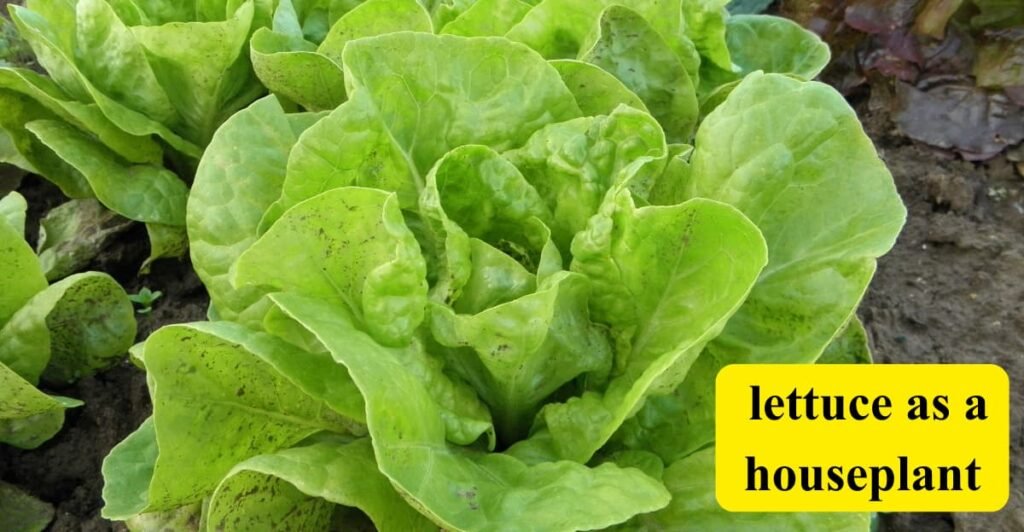
Treating lettuce as a houseplant is a creative way to enjoy edible houseplants while adding greenery to your home. With its beautiful lettuce rosette, bright green leaves, and rusty red leaves, lettuce can look just as attractive as African violets or other ornamental plants on your windowsill.
Start looking around and you’ll see you’ve got plenty of room for a few lettuce plants:
You can grow lettuce plants in almost any available space, including windowsill gardens, kitchen counters, or a basement grow tent. Try potted lettuce, hanging planters, or a decorative macrame plant holder to create a stylish indoor vegetable garden without needing much room.
Light – Natural or Electric?

Light is one of the most important factors in indoor lettuce growing, as lettuce needs 6–8 hours of sunlight daily for healthy growth. Whether you use natural light, direct sunlight, or artificial lighting, providing adequate light intensity helps support proper lettuce development and strong vegetable growth.
“But don’t you have any windows in your house that receive that kind of light?”
Not every home has large windows or enough natural sunlight to meet daily light requirements, especially in low-light conditions. If you have limited natural light or small windows, consider artificial grow lights and supplemental plant lighting as practical alternatives for successful indoor vegetable cultivation.
However, my favorite grow lights are their foot-long. They’re small but mighty.
Compact options like Barrina grow lights and T5 grow lights are excellent for indoor plant lighting, especially when natural sunlight is limited. These high-quality grow lights are affordable, powerful, and suitable for indoor lettuce, herbs, and decorative plants like Monstera and African violets.
Their inconspicuous design makes them easy to fit into your home décor without creating the appearance of a hydroponics lab. You can connect multiple lights, choose bright white light or warm white light, and install under-cabinet grow lights beneath kitchen cupboards to brighten dark counters and support an indoor herb garden.
For a practical kitchen greenhouse setup, place grow lights under counters or around built-in bookshelves to make better use of unused shelf space. These renter-friendly grow lights are easy to install and help maintain indoor lettuce production even without 6–8 hours of natural sunlight.
I particularly like compact T5 lights because they provide effective plant illumination without taking up much space or disturbing the overall home lighting setup.
Grow Lettuce, But Make it Stylish

Growing lettuce indoors can be both practical and beautiful when you treat it as part of your home décor. Choose decorative planters, pretty nursery pots, and attractive containers to create stylish displays of ornamental lettuce and other edible houseplants that blend naturally with your home interior.
Using reusable nursery pots makes transplanting lettuce, harvesting vegetables, and replacing plants much easier. You can start new lettuce seedlings in separate containers and use succession planting or staggered planting to maintain continuous lettuce production and enjoy fresh leaves throughout the year.
I prefer keeping lettuce in decorative planters because they make my indoor garden look organized while allowing me to harvest fresh, homegrown vegetables whenever needed.
How to Do It
Follow these simple steps for successful growing lettuce indoors and enjoying fresh, homegrown lettuce:
1. Prepare the Pot: Fill a small 4–5 inch nursery pot with damp potting soil, leaving about half an inch to one inch of space at the top.
2. Plant the Seeds: Press two to three lettuce seeds gently into the soil and cover them with a thin layer of potting mix, approximately 1/8 inch deep. Pat the soil lightly.
3. Cover the Seeds: Place a clear plastic dome or plastic cling wrap over the pot to maintain moisture and provide seed protection.
4. Provide Light: Keep the pot near a sunny window or under artificial grow lights to encourage healthy seed germination.
5. Maintain Soil Moisture: Once the seeds start germinating, remove the plastic covering and keep the soil moist without making it waterlogged. Water regularly as needed.
6. Thin the Seedlings: After approximately two weeks, remove weaker seedlings and keep the largest, healthiest seedling for better growth and development.
7. Feed Your Lettuce: Apply a balanced high-nitrogen fertilizer every two weeks to support healthy leaves and provide essential lettuce nutrition.
8. Harvest the Lettuce: Once the plant reaches maturity, harvest the full lettuce head or use the cut-and-come-again method for leaf lettuce and enjoy repeated leaf harvesting.
I find that starting lettuce in small containers makes indoor vegetable gardening and container gardening easier, especially when I want a regular supply of fresh leaves.
Helpful Tips:
Use these practical tips to maintain healthy lettuce plants and enjoy a continuous lettuce supply at home:
- Plant Seeds Regularly: Practice succession planting by sowing new seeds every week or every other week. This staggered seed sowing creates a regular planting schedule and helps maintain a continuous harvest of fresh lettuce.
- Plan Your Growing Cycle: Give your lettuce seedlings time for seed germination and healthy development. After one or two months of regular planting, you can enjoy weekly harvests and regular lettuce picking.
- Water Frequently: If you’re using small planters or small containers, water your container-grown lettuce frequently. These containers can dry out quickly, so maintain proper soil moisture to support healthy lettuce growth.
- Watch for Leggy Lettuce: Leggy lettuce and elongated seedlings are signs of insufficient light or light deficiency. Move your plants to a sunny location with adequate sunlight or provide proper lighting using grow lights and supplemental artificial lighting.
- Maintain Healthy Growth: Regular plant care, suitable light requirements, and consistent lettuce maintenance encourage strong seedlings and healthy plants throughout the growing cycle.
The Utilitarian Side
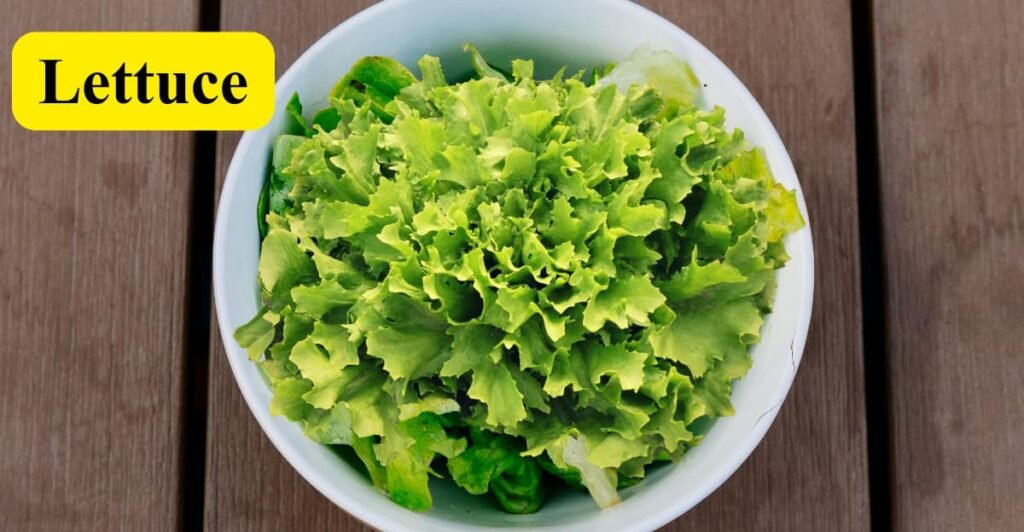
If you have extra space, indoor lettuce gardening becomes even easier with five-gallon storage totes and a few overhead grow lights. These convenient growing containers can accommodate up to six lettuce heads at once, while also providing space for radishes and white turnips during winter gardening.
For a steady supply of fresh vegetables, add drainage holes to the bottom of your containers and practice succession planting by planting two storage totes two weeks apart. This simple soil-based growing method supports continuous vegetable harvests without complicated hydroponic systems, making it ideal for small-space gardening and easy indoor vegetable production.
I enjoy harvesting fresh lettuce directly from my indoor growing setup to prepare a tasty homemade salad. Growing vegetables alongside pothos plants and other indoor houseplants also makes unused windowsill and shelf space more productive.
Conclusion
Growing lettuce at home is an easy and rewarding way to enjoy fresh, crunchy salads throughout the year, even with limited space. With proper lighting, regular watering, suitable containers, and succession planting, you can maintain a continuous supply of delicious homegrown lettuce indoors. Start your indoor lettuce garden today and enjoy healthier meals with fresh leaves harvested straight from your home!
Frequently Asked Questions
1. Can you grow lettuce indoors all year round?
Yes, lettuce grows well indoors throughout the year when provided with adequate light, moist soil, proper containers, and suitable growing temperatures.
2. How much sunlight does indoor lettuce need?
Indoor lettuce generally needs 6–8 hours of sunlight daily. If natural sunlight is insufficient, you can use artificial grow lights.
3. How long does lettuce take to grow at home?
Most lettuce varieties take approximately 30–60 days to reach maturity, depending on the variety and growing conditions. Baby leaves can often be harvested earlier.
4. Can lettuce grow in pots indoors?
Yes, lettuce grows easily in nursery pots, containers, and planters. Choose containers with drainage holes and use well-draining potting soil to encourage healthy growth.
Please Write Your Comments