Peonies: The Ultimate Guide to Meaning, Types, Care, and Growing Beautiful Peony Flowers
Updated: September 13, 2026
19
Discover why peonies are among the most beloved garden flowers, celebrated for their massive blooms, sweet fragrance, elegant colors, and timeless beauty. From peony flower meaning and popular types to planting, watering, fertilizing, and expert peony care, this ultimate guide covers everything you need to grow stunning blooms. Keep reading to explore the best peony varieties, growing tips, symbolism, and landscaping ideas that can transform your garden into a breathtaking floral retreat.
Table of Contents
What Are Peonies
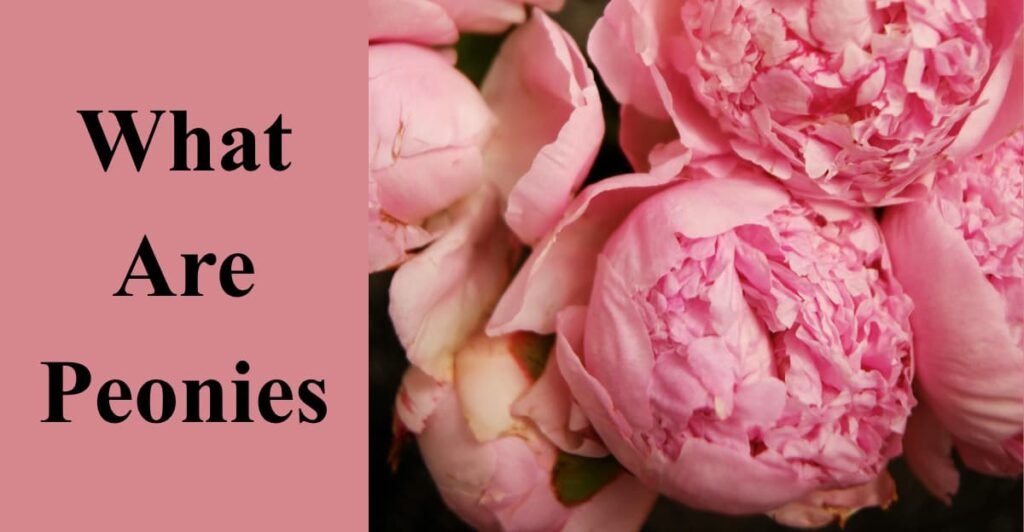
Peonies are long-lived perennials from the Paeonia genus, admired for their fragrant blooms, large blooms, and lush glossy foliage. Unlike annuals that require replanting each year, a well-placed peony can live for fifty years, becoming a permanent fixture in landscape design. In the gardening world of 2026, these peony plants are grouped into three categories herbaceous, tree, and intersectional (Itoh) each offering unique structures for the garden.
From my experience, choosing the right location from the start makes these hardy plants much easier to enjoy for decades.
Why Peonies Are So Popular
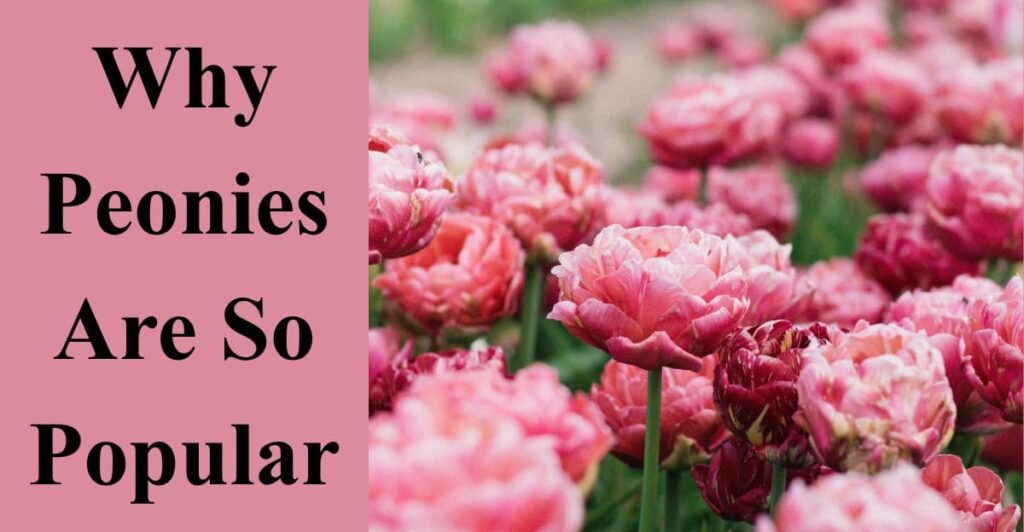
The enduring popularity of peonies comes from their plant and forget nature once established, delivering a remarkable visual display with minimal effort. Their vibrant petals, ruffled textures, and impressive blooms make them stars of the spring garden, while their reputation as hardy plants that are resistant to common pests and deer makes them a reliable choice for homeowners seeking a luxurious sanctuary without constant chemical interventions.
In my gardening experience, these flowers consistently reward simple care with a strong seasonal presence and dependable beauty.
Peony Flower Meaning and Symbolism
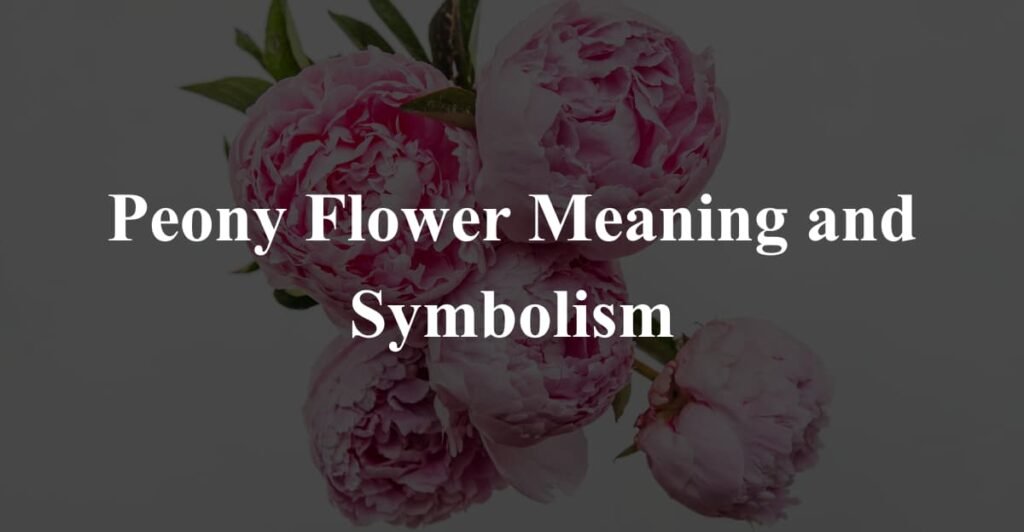
Throughout history, these blossoms have carried significant symbolic weight and are often celebrated as the king of flowers, representing honor, wealth, and prosperity across different cultures. Their role in wedding bouquets reflects wishes for a happy marriage and good fortune, while their sweet fragrance and massive blooms are associated with bashfulness and healing, reflecting their ancient use in medicinal and herbal remedies.
From my experience, learning the symbolism behind these flowers makes planting peonies feel even more meaningful.
Different Types of Peonies
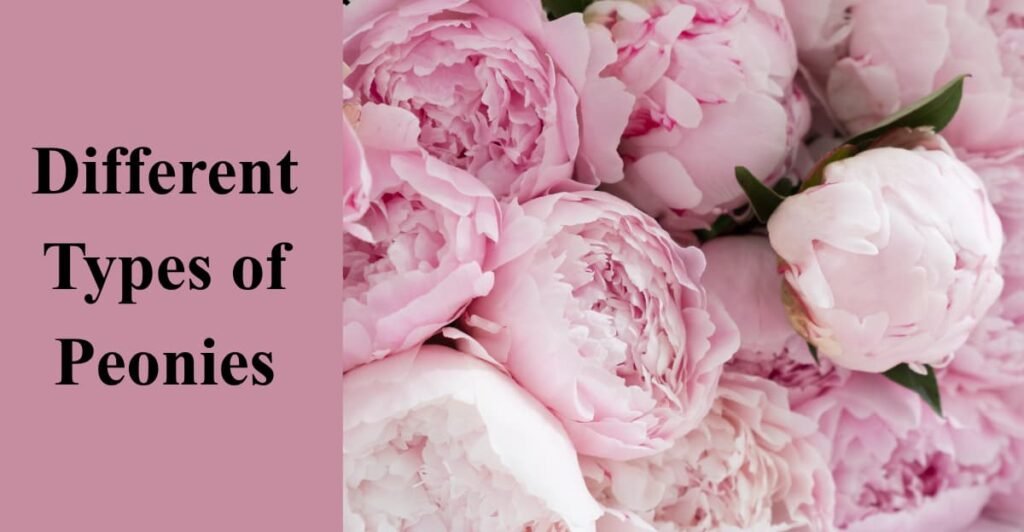
Understanding the lineage and physical structure of plants is essential for successful landscape design, especially in the horticultural world of 2026, where classification considers both biological growth habits and the shape of the blossoms. These hardy perennials offer a diverse range of vibrant petals, ruffled textures, and forms suited to almost any aesthetic or outdoor space, from a structured flower bed to a relaxed backyard garden.
Primary Biological Categories
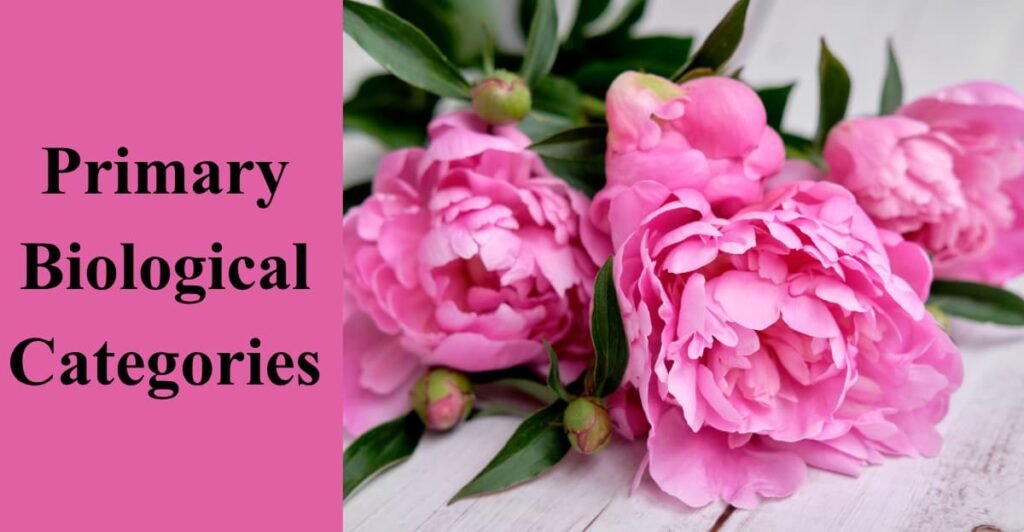
Herbaceous Peonies are popular perennials for a traditional flower bed, emerging in spring with massive blooms and glossy foliage before dying back to the ground after the first frost. Tree Peonies, by contrast, are deciduous, woody shrubs whose stems remain through winter, creating year-round textural interest in the garden. Itoh Peonies, also called Intersectional Peonies, are a hybrid combining the giant blossoms and exotic appearance of a tree peony with the herbaceous growth habit, while their unmatched elegance and strong stems make them especially valuable among plants with distinctive growth habit and lasting woody stems.
Distinct Flower Forms and Shapes
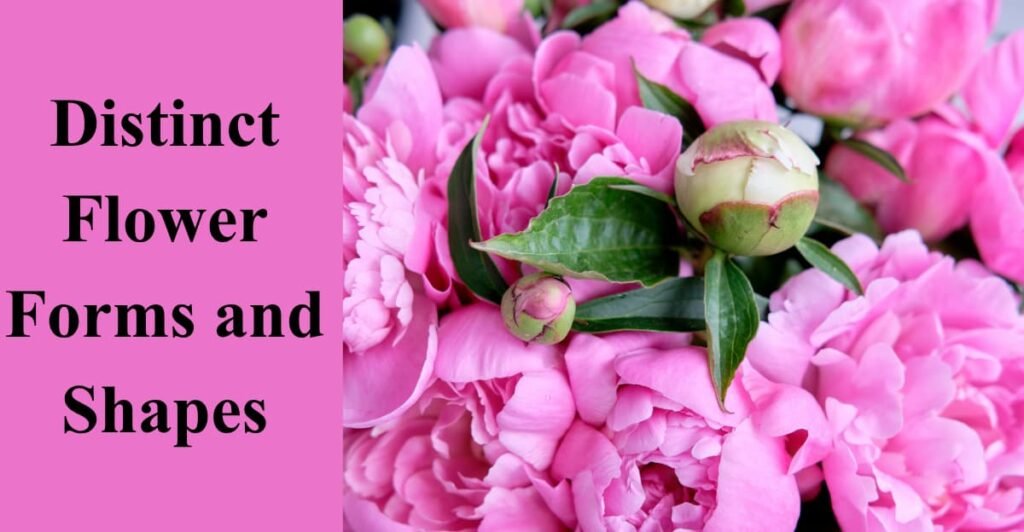
Peony flower forms range from Single varieties with broad vibrant petals and gold-colored stamens to Semi-Double blooms with several petal rows and a visible center. Double peonies have many petals, a hidden center, and deep ruffled textures, while Japanese forms feature staminodes resembling shredded tissue paper. Anemone peonies have broader center petals in pink or white, creating a timeless and prominent floral display.
Most Popular Peony Varieties
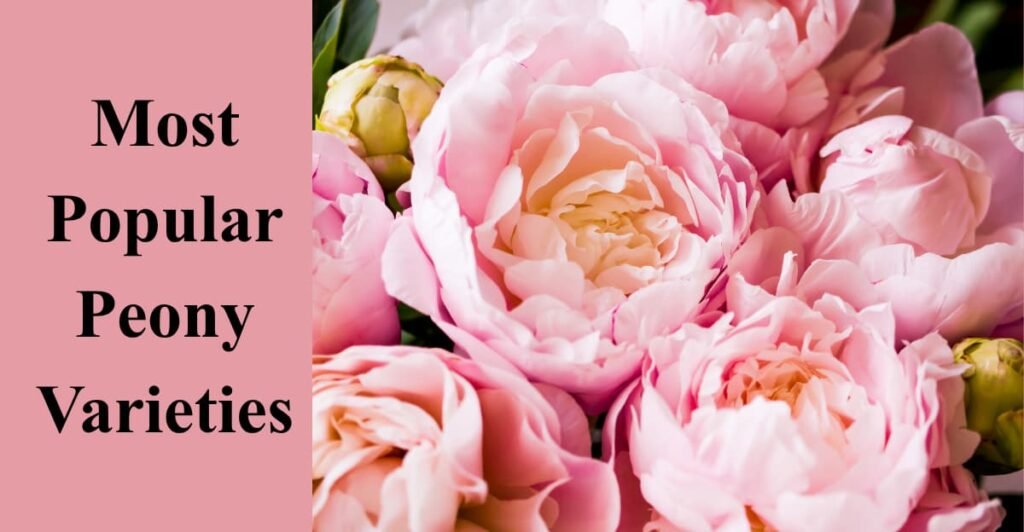
In 2026, several cultivars remain favorites among landscape architects, including Sarah Bernhardt, known for its pink ruffled layers, and Bowl of Beauty, admired for the striking contrast between its pink outer petals and creamy center. For white elegance, Festiva Maxima remains a historical favorite, recognized for its delicate crimson flecks, making these popular peony varieties valuable additions to any peony flowers collection and landscape design.
Peony Colors and Their Meanings
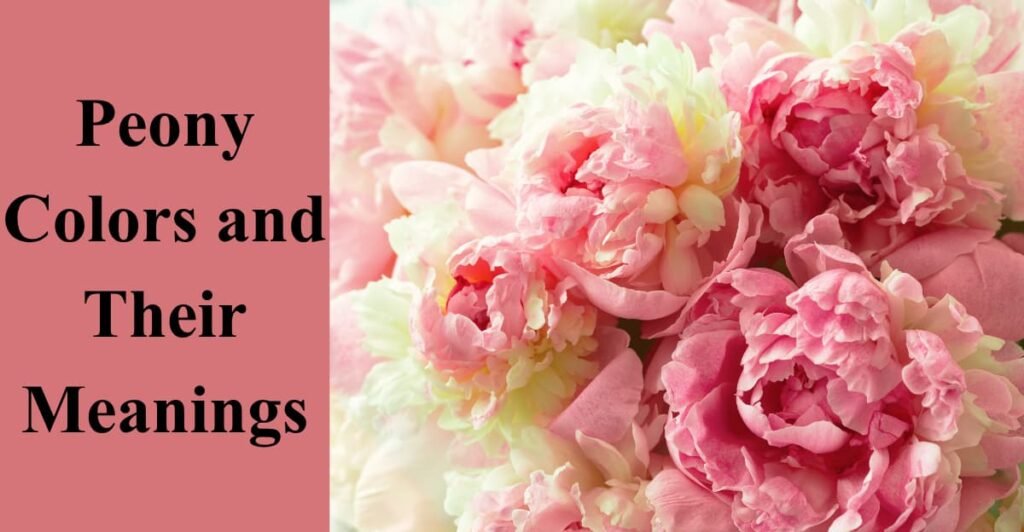
The palette of a peony flower bed can express different emotions, with white varieties symbolizing purity and grace for formal outdoor spaces. Pink, the most common color, represents romance and luck, while deep red varieties convey passion and high honor, often appearing in commemorative messaging and traditional festivals. These colors, meanings, and symbolism give peonies added cultural appeal.
When Do Peonies Bloom
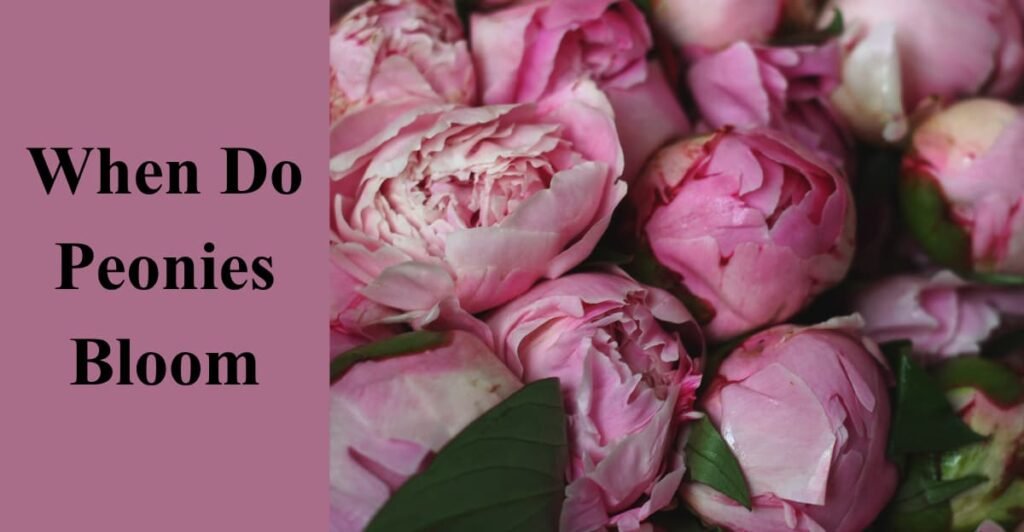
Understanding timing helps you plan a beautiful floral calendar, as most varieties have a short blooming season but offer a spectacular blooming season lasting around 7 to 10 days. By planting a mix of early-season varieties, mid-season varieties, and late-season varieties, you can extend the flowering window to nearly six weeks, typically from mid-spring into early summer, including June, creating a longer period of blooming and flowering for your peony flowers.
From my experience, combining reliable peony varieties, meaningful colors, and staggered blooming times creates a more beautiful and rewarding garden display.
How to Grow Peonies Successfully
Choose a spacious outdoor space for your plants, as their sensitive root systems prefer to remain undisturbed for decades. Consider their growth cycles and mature size, since a mature plant can reach 3 feet in width, making proper planting and room for growth essential for healthy peonies and strong roots.
Best Soil for Peonies
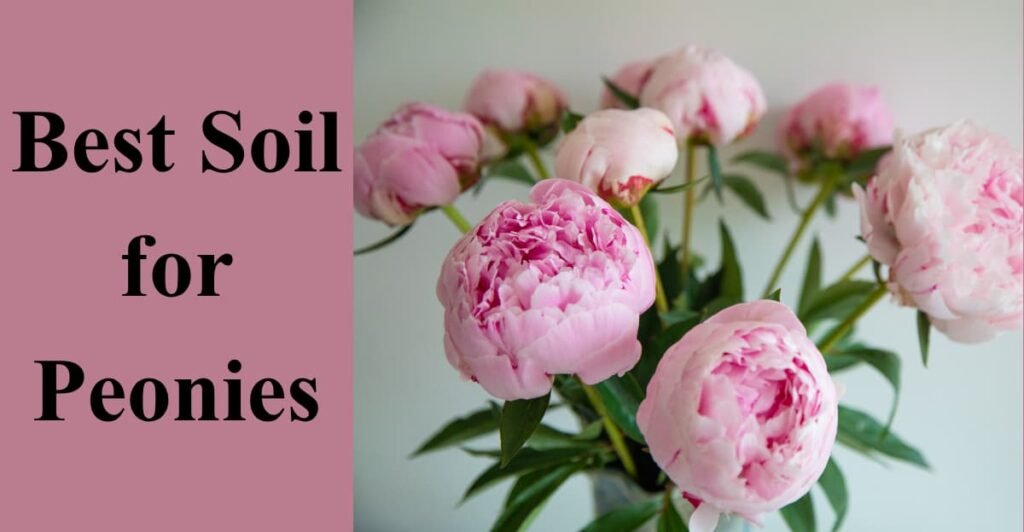
The best soil for these hardy perennials is well-draining, fertile loam that avoids wet feet and low-lying areas where excess water collects. A soil pH of 6.5 to 7.0, ranging from neutral to slightly acidic, supports effective nutrient uptake, while good fertile soil, drainage, and balanced nutrients encourage healthy growth.
Sunlight Requirements for Peonies
For impressive massive blooms, plants need full sun, ideally six to eight hours of direct sunlight each day. Although partial shade is tolerated, insufficient light can produce weak stems and cause flower production to decrease, making proper sunlight requirements important for abundant blooming and healthy flowers.
How to Plant Peonies Step-by-Step
Planting peonies correctly gives their roots the best start and encourages healthy growth for years. Follow these simple steps:
- Dig a Hole: Prepare a hole about 2 feet deep and 2 feet wide, allowing enough room for the roots to spread comfortably.
- Amend the Soil: Improve the soil by mixing in compost or well-aged manure to provide nutrients and improve soil structure.
- Position the Eyes: For herbaceous types, place the eyes or buds no more than 2 inches below the soil surface. Planting too deeply can reduce flowering.
- Backfill the Hole: Gently backfill with soil around the roots, avoiding heavy compaction that could restrict root growth.
- Water Thoroughly: Water the newly planted peony thoroughly to settle the soil and remove air pockets around the roots.
- Check Planting Depth: Before finishing, confirm the correct planting depth, keeping the buds at the recommended level for reliable flowering.
Best Time to Plant Peonies
The best planting time for peony roots is autumn, when the cool soil allows them to establish before spring growth cycles begin. Although planting seeds or roots in spring is possible, spring planting can lead to stunted growth because rising temperatures give roots less time for strong root establishment. Choosing autumn supports healthier seasonal growth and better long-term development.
Peony Care and Maintenance Tips
Treat peonies as a long-term floral investment with simple seasonal care and maintenance. In autumn, cut herbaceous stems back to the ground to help prevent fungal diseases such as Botrytis, while in spring, use staking or peony hoops to provide support for heavy blossoms against wind and rain. These practices improve disease prevention, protect the stems, and keep plants attractive throughout the growing season.
How to Water Peonies Properly
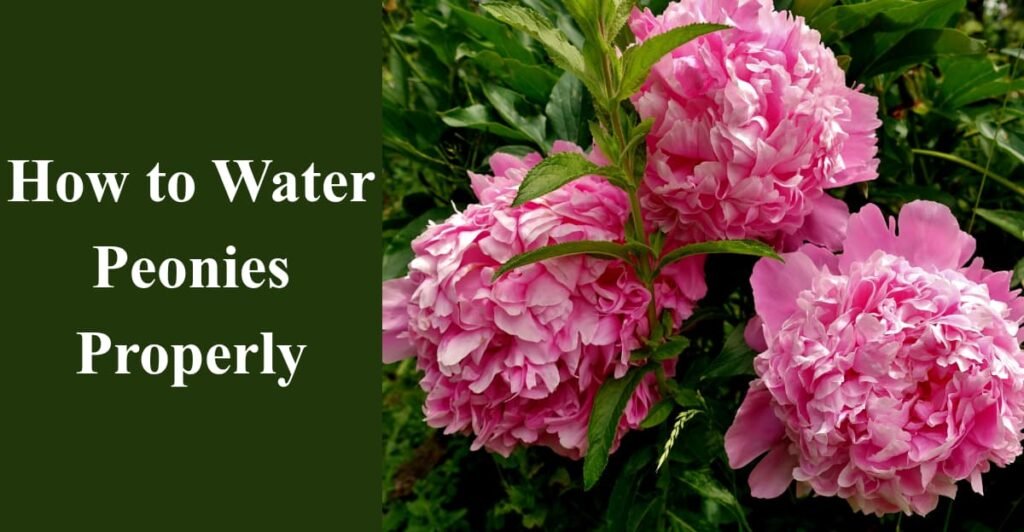
Proper watering should be directed toward the base of the plant rather than using overhead watering, which can encourage powdery mildew on the glossy foliage. During the first two years of growth, keep the soil consistently moist but never soggy, giving the roots enough moisture without creating conditions that promote disease. This balanced approach supports healthy growth and effective disease prevention.
Common Peony Growing Mistakes
One of the most common growing mistakes is planting too deep; keep the eyes around 2 inches below the soil surface, as excessive depth can produce healthy leaves but few or no flowers. Over-fertilizing with nitrogen can also reduce flowering, while poor air circulation around plants increases the risk of disease. Correct planting depth, balanced nutrition, and good airflow are therefore essential for strong flower production and overall plant health.
Best Companion Plants for Peonies
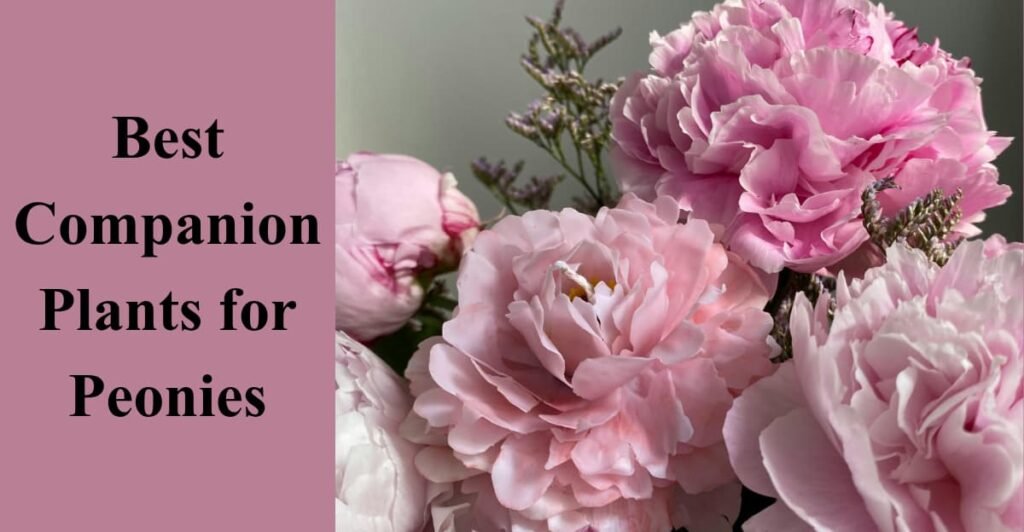
Choosing suitable companion plants and garden neighbors can enhance landscape design while creating a balanced garden. Lavender helps deter pests and adds silver foliage contrast, while Siberian Iris provides vertical leaves against rounded peony mounds. Alliums complement ruffled petals with their geometric shape, and Roses can extend the bloom season of a flower bed. Together, these companions, peonies, and other garden plants create a backyard with a timeless look, attract pollinators, and add unmatched elegance throughout the year-round landscape, especially when contrasting flowers, foliage, blooming, and petals are thoughtfully arranged.
From my experience, pairing peonies with contrasting companion plants creates a more balanced garden landscape, extends seasonal blooming, and makes the flower bed feel fuller and more inviting.
Conclusion
Peonies bring together massive blooms, sweet fragrance, elegant colors, and long-lasting garden appeal, making them a rewarding choice for any landscape. With the right soil, sunlight, planting, watering, fertilizing, and seasonal care, these hardy perennials can thrive for decades. Explore the best peony varieties, meanings, companion plants, and growing tips to create a beautiful, timeless garden.
Frequently Asked Questions
1. How long can peonies live?
A well-placed peony can live for fifty years, becoming a permanent part of the landscape.
2. What are the main types of peonies?
The three main categories are herbaceous, tree, and intersectional (Itoh) peonies.
3. What is the best soil for peonies?
Peonies prefer well-draining, fertile loam with a pH of 6.5 to 7.0, ranging from neutral to slightly acidic.
4. How much sunlight do peonies need?
They perform best in full sun, ideally receiving six to eight hours of direct sunlight each day.
Please Write Your Comments