Types of Oak Trees in Arkansas
Updated: October 20, 2026
17
From towering forest giants to graceful shade trees, the Types of Oak Trees in Arkansas reveal the state’s remarkable natural diversity. With species such as white oak, northern red oak, post oak, southern red oak, black oak, and scarlet oak, Arkansas offers an impressive range of native oaks. These trees support wildlife, enrich the ecosystem, and add lasting beauty to forests and landscapes. Keep reading to discover the most popular Arkansas oak species, how to identify them, and which trees may be best suited to different environments and come back anytime you want to explore more fascinating tree species.
Table of Contents
White Oak (Quercus alba)
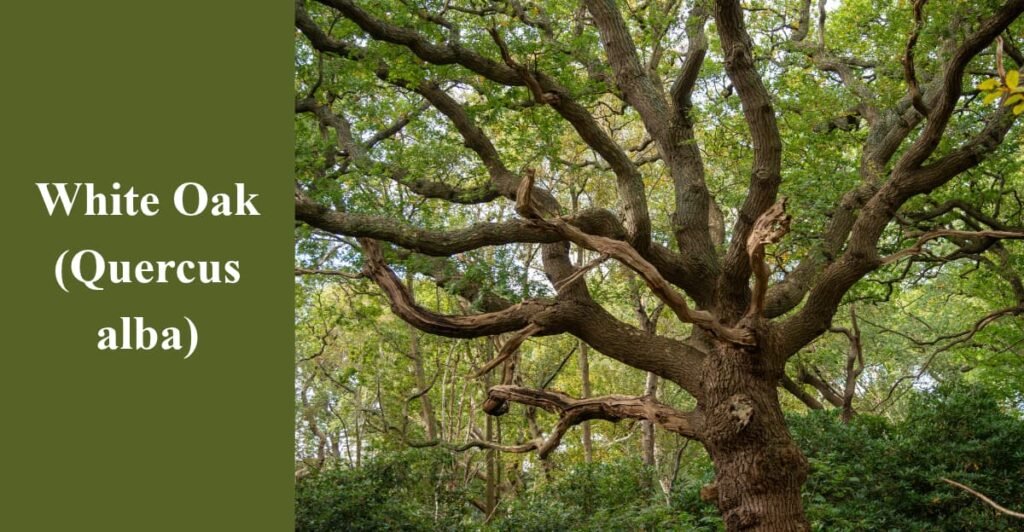
White Oak (Quercus alba) is an Arkansas icon valued for its timber, exceptional strength, and durability, making it ideal for furniture and flooring. This majestic tree is easy to recognize by its distinctive lobed leaves, smooth edges, and unique light gray, blocky bark, while its impressive heights, autumn foliage, and reddish-brown hue add seasonal beauty. Its acorns provide a vital food source for woodland creatures, including wild turkeys and blue jays, highlighting its ecological importance as a remarkable species and valuable part of the forest ecosystem.
Northern Red Oak (Quercus rubra)

The Northern Red Oak (Quercus rubra) is a majestic Arkansas tree recognized by its tall, straight trunk, broad canopy, and brilliant autumn leaves that develop a brilliant scarlet seasonal color, making it a popular landscape tree for landscaping and its aesthetic appeal. Its wood is incredibly versatile, durable, and useful for furniture and flooring, while its adaptability allows it to flourish across a diverse range of soil types, demonstrating strong soil adaptability and valuable wood uses.
In my experience, White Oak is especially memorable for its bark and leaf shape, while Northern Red Oak stands out for its strong form and striking autumn color.
Post Oak (Quercus stellata)

The Post Oak (Quercus stellata) belongs to the white oak group and is a resilient tree that typically reaches 50 feet in height. Its distinctive leaves resemble a Maltese cross, while its excellent drought tolerance helps it survive in various climates and a wide range of soil types, including nutrient-poor clay and sandy uplands. This sturdy species demonstrates remarkable adaptability, and its acorns mature rapidly during the first growing season, providing a crucial food source for local wildlife. These characteristics make it a valuable oak species with impressive climate adaptability, soil adaptability, and consistent acorn production.
I find the Post Oak particularly interesting because its Maltese-cross-shaped leaves make tree identification easier, even in challenging growing conditions.
Southern Red Oak (Quercus falcata)
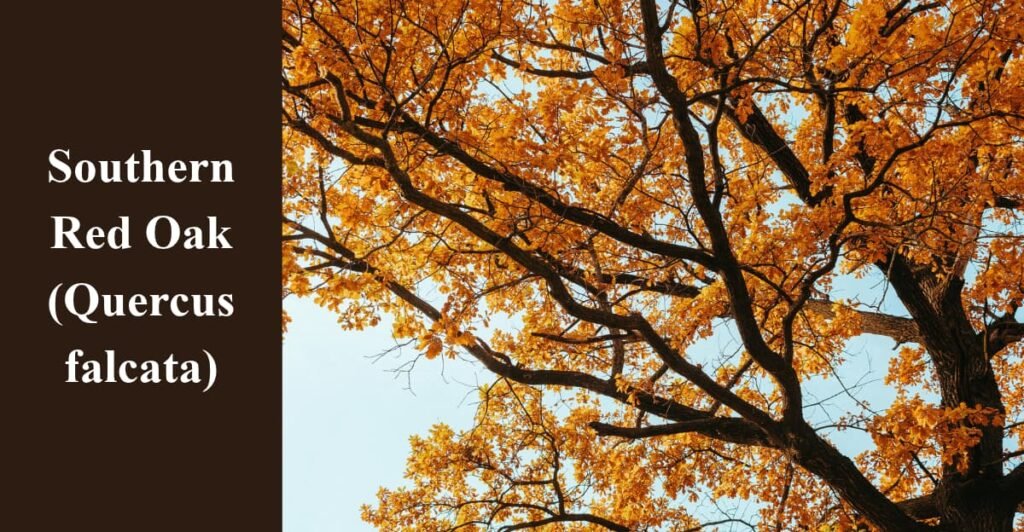
The Southern Red Oak (Quercus falcata) is an impressive tree native to Arkansas and widely distributed throughout the southeastern U.S. Its tall, sturdy trunk and seasonal foliage, which turns vibrant red in autumn, make it a striking addition to the landscape. This adaptable oak species tolerates diverse environmental conditions and diverse soil types, supporting robust growth across different habitats. Its acorns provide a crucial food source for local wildlife, including deer and squirrels, highlighting its significant ecological role in the ecosystem and its value for wildlife habitat.
When assessing Southern Red Oak, I pay close attention to its sturdy trunk and autumn color, while its acorns reveal its importance as a food source for wildlife.
Black Oak
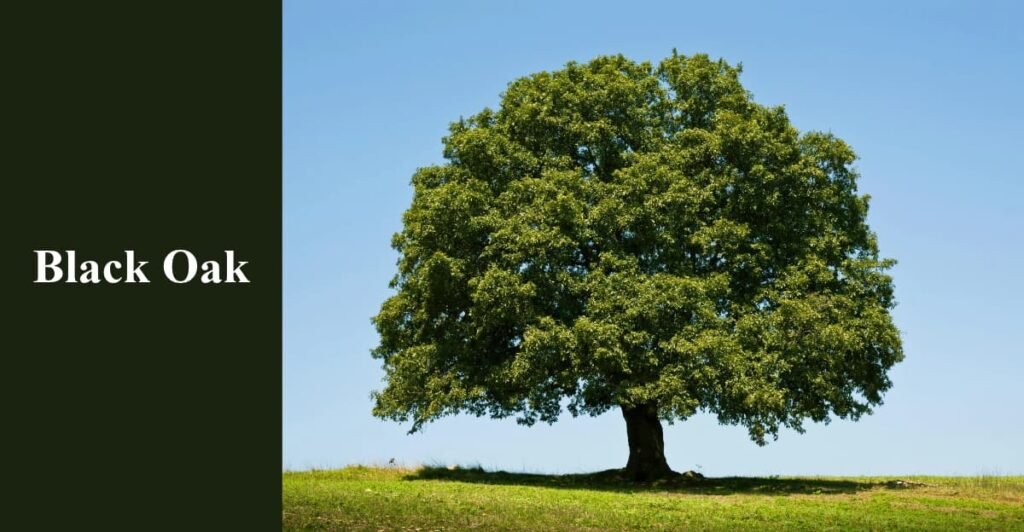
Black Oak, a type of red oak, is an impressive tree known for its distinctive dark, ridged bark, which may reveal yellow or orange beneath the outer surface. Often reaching heights exceeding 60 feet, this oak type features leaves with a unique two-toned appearance that develops into brilliant hues in autumn, creating beautiful seasonal color. Its robust wood is valued for durable furniture and flooring because of its wood durability. As an adaptable species, Black Oak grows across a wide range of soil conditions, demonstrating strong soil adaptability and offering distinctive bark characteristics, leaf appearance, and lasting landscape appeal.
I recommend observing Black Oak’s deeply ridged bark alongside its changing leaf colors, as these features help distinguish it from other oak species.
Scarlet Oak (Quercus coccinea)
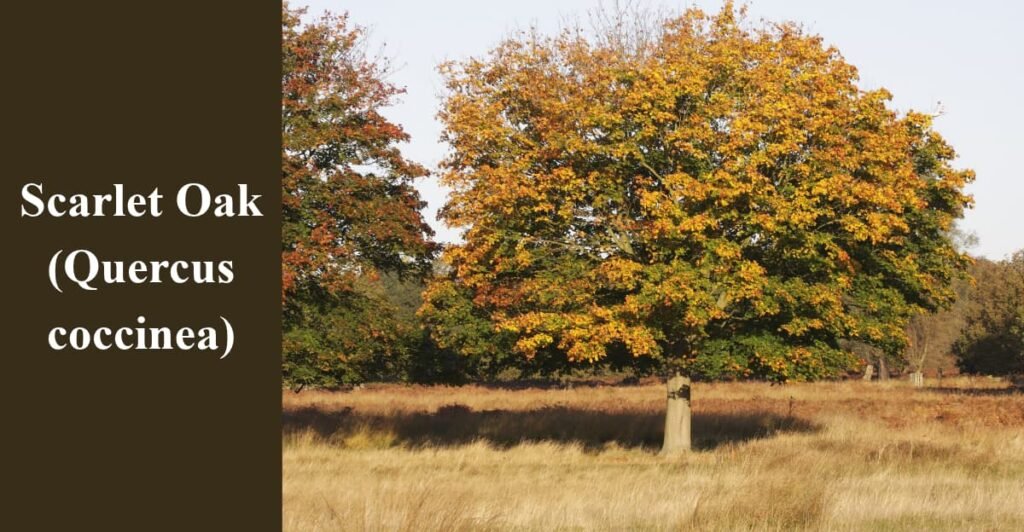
Scarlet Oak (Quercus coccinea) is a cherished Arkansas tree known for its majestic appearance and mature heights of 50 to 70 feet. During autumn, its foliage turns a stunning brilliant red, while its deeply lobed leaves with a bristle-like point make identification easier. This oak species thrives in well-drained, sandy soil and sunny, elevated locations, where its robust nature and striking autumnal display make it a superb selection for any landscaping project. Consider its tree height, leaf characteristics, autumn color, soil conditions, and sunlight requirements when choosing the right landscaping location.
Scarlet Oak adds remarkable seasonal beauty to a landscape, especially when its red leaves stand out against the surrounding greenery.
Shumard Oak

Shumard Oak, a member of the red oak family, is a majestic tree found in Arkansas that typically reaches 60 to 80 feet. Its most striking feature is its autumn leaves, which develop a vibrant red shade and bring brilliant color to the landscape. The tree produces acorns that serve as a crucial food source for local wildlife, while its wood is highly prized for its quality and strength in making durable furniture and elegant flooring. When comparing oak species, consider its tree height, autumn foliage, seasonal color, wildlife food source, and wood quality, particularly for furniture and flooring.
Shumard Oak is an excellent option for adding vivid fall color while supporting wildlife and providing valuable hardwood.
Chestnut Oak (Quercus montana)
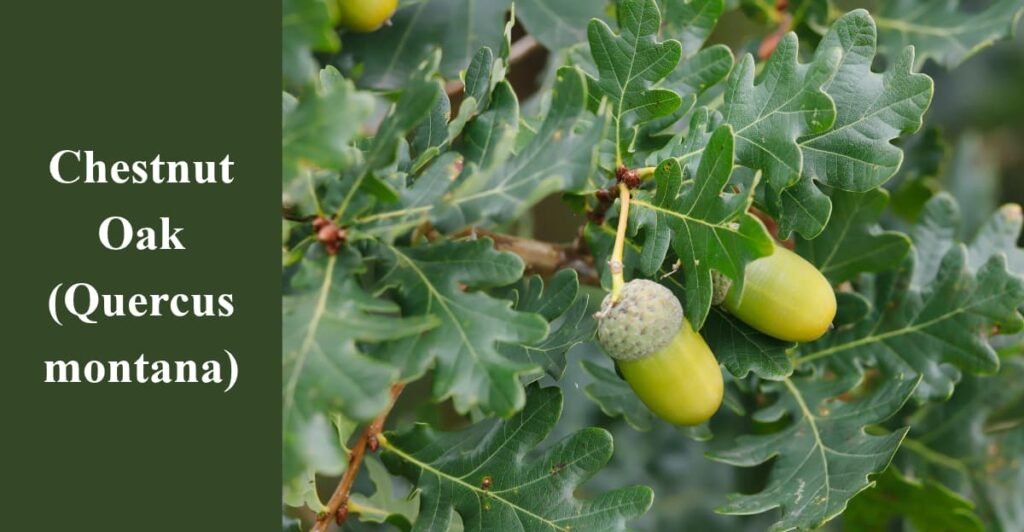
Chestnut Oak (Quercus montana) is a striking tree found in Arkansas, recognized for its large, robust trunks and distinctively dark bark that appears rough and deeply grooved. Its spear-shaped leaves with wavy edges create a full canopy that provides excellent shade in outdoor spaces. The tree also produces strong wood that is highly valued for furniture and durable flooring. When evaluating this oak species, consider its tree characteristics, trunk, bark, leaves, and shade benefits, along with its wood quality and practical wood uses, including furniture crafting and flooring.
Chestnut Oak stands out for its rugged bark and dependable shade, making it an appealing choice for spacious landscapes.
Bur Oak
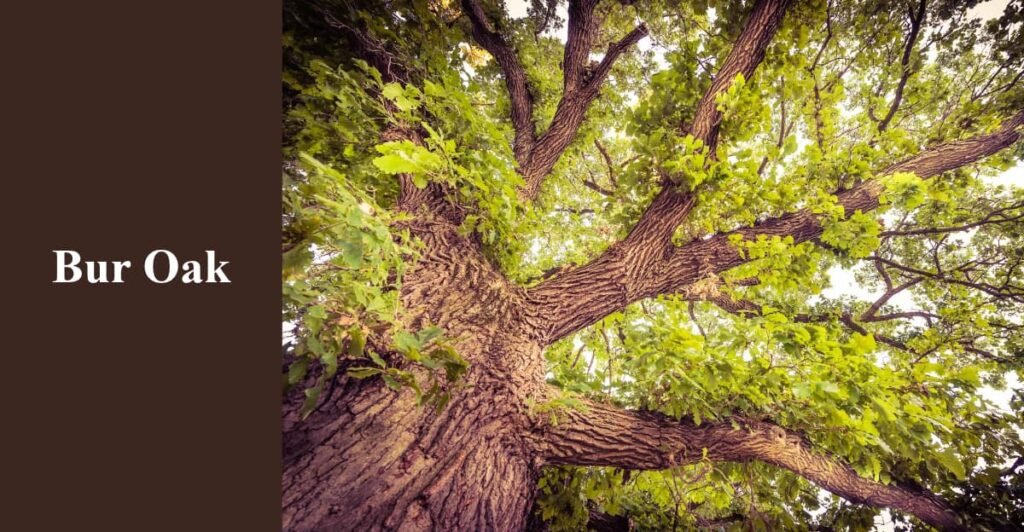
Bur Oak is a majestic Arkansas tree that grows up to 80 feet tall and thrives in various soils, including limestone. Its 6–12-inch leaves turn yellow in autumn, while its large acorns feature distinctive fringed caps. With excellent drought tolerance and urban pollution resistance, its broad, rounded crown provides abundant shade for gardens, city environments, and open landscapes.
Bur Oak is especially valuable in open spaces because its broad crown provides generous shade and its tough nature helps it withstand challenging conditions.
Overcup Oak (Quercus lyrata)
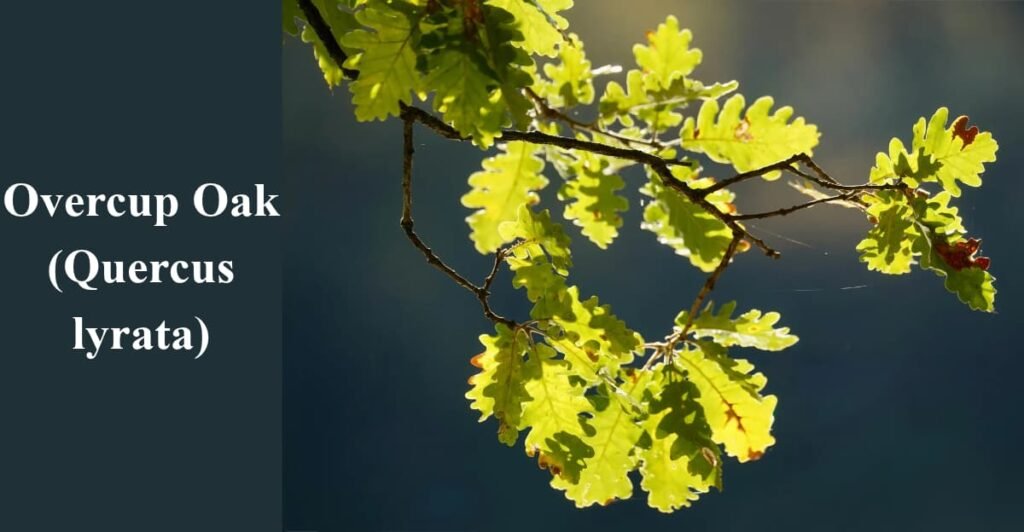
Overcup Oak (Quercus lyrata) belongs to the white oak family and is recognized for its unique, distinctive acorn cup, which partially encloses the acorn. This Arkansas tree prefers moist environments and swampy regions, reaching an average height of about 50 feet. Its grayish-brown bark and autumn foliage, which develops a yellowish-brown hue, add seasonal interest. This resilient tree adapts to various soil conditions, including wet, clay-rich grounds, making its adaptability useful when planning landscaping for yards and public parks. When choosing this oak species, consider its tree height, bark characteristics, leaf color, preference for wet environments, soil preference, and value as a landscape tree or park tree, along with its recognizable acorn cup.
Overcup Oak is worth considering for wetter sites where many other shade trees may struggle to thrive.
Live Oak (Quercus virginiana)

Live Oak (Quercus virginiana) is a unique tree known for its vibrant green foliage throughout the entire year. In Arkansas, it is more suited to the southern regions and warmer parts of central regions, where its broad branches and outstretched branches create exceptional shade. Its evergreen foliage and year-round greenery make it a highly favored choice for parks, home landscapes, and other outdoor spaces. When selecting this oak species, consider its need for a suitable climate and sufficient room to spread, particularly if you want a shade tree, landscape tree, or park tree. It can also enhance residential landscapes, especially in southern Arkansas and suitable parts of central Arkansas, where its expansive branches have room to grow.
Live Oak creates an inviting, shaded setting with greenery that lasts through the seasons in climates suited to its growth.
Chinkapin Oak (Quercus muehlenbergii)
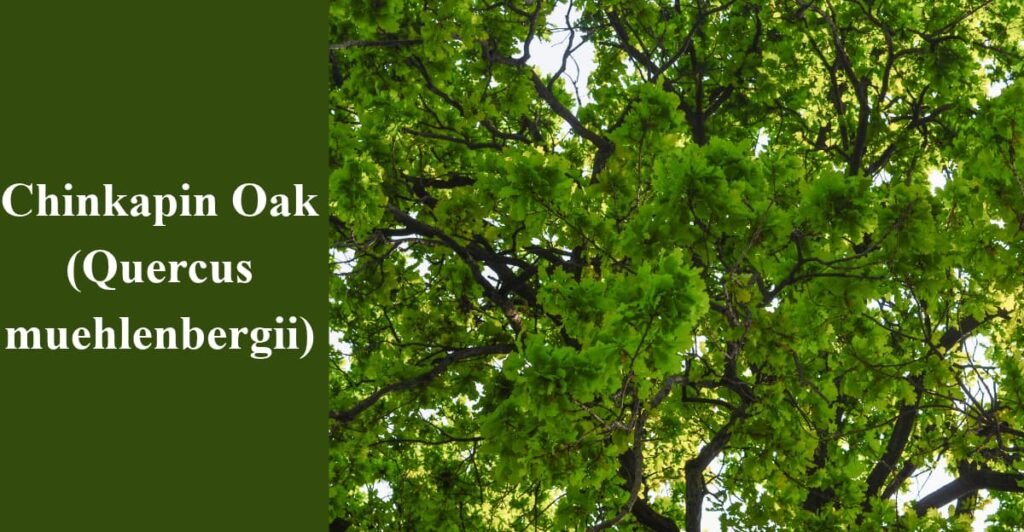
Chinkapin Oak (Quercus muehlenbergii) is a striking, medium-sized tree that can grow 80 to 100 feet tall, with exceptional specimens reportedly reaching 160 feet. Its distinctive, simple, oblong leaves, typically 3 to 6 inches long, have coarsely toothed edges and lack bristles. The tree produces acorns annually or every other year, sometimes providing a bountiful harvest of abundant acorns that serve as a vital food source for local wildlife. This oak species plays a crucial role in supporting the area’s biodiversity. When choosing a planting site, consider its tree height, leaf characteristics, leaf size, acorn production, and importance as a wildlife food source that supports biodiversity.
Chinkapin Oak offers a valuable combination of distinctive foliage, substantial shade potential, and food for wildlife.
Pin Oak (Quercus palustris)

Pin Oak (Quercus palustris) belongs to the red oak family and is sometimes called swamp oak because it can tolerate damp environments and soggy terrain. Known as one of the fast growers, it may increase in height by around two feet each year under favorable conditions. Its distinct characteristics change as the tree develops: young trees typically have a pyramidal shape, while mature trees develop a more oval-shaped canopy, with lower branches that droop downwards. Pin Oak is also used for timber, although its exceptionally dense wood can create milling difficulties during milling processes. When selecting this oak species, consider its tree growth, tree shape, canopy, branches, preference for wet environments, and intended timber use.
Pin Oak is a strong choice for landscapes with suitable moisture, and its changing canopy shape gives it a distinctive appearance as it matures.
Water Oak (Quercus nigra)
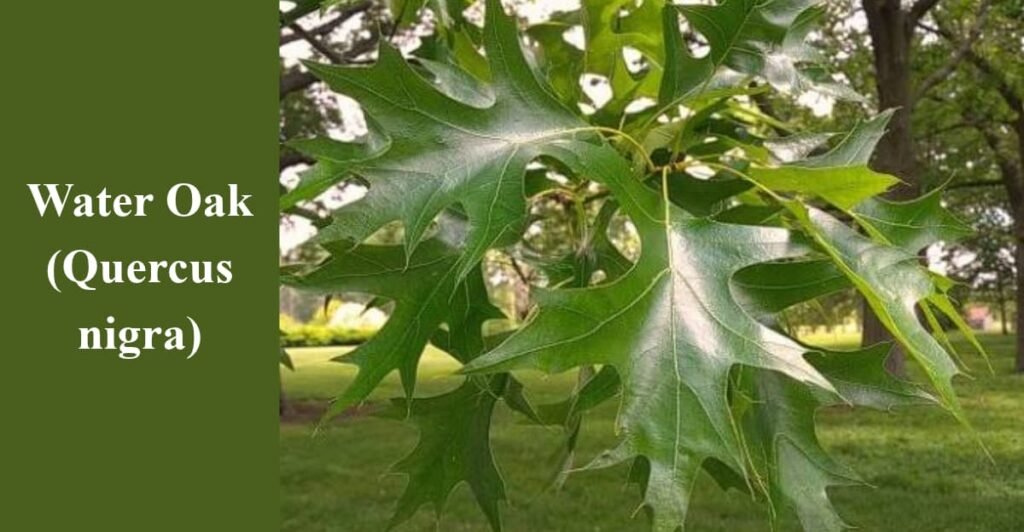
Water Oak (Quercus nigra) is a red oak found in Arkansas and is well-suited to poorly drained areas. This adaptable species thrives in wet environments near ponds, streams, and swamps, but can also tolerate drier soil conditions and compacted soil. Under favorable conditions, it may reach around 120 feet, developing a narrow trunk, a rounded crown, and distinctive spatula-shaped leaves measuring 2 to 8 inches long and 3 to 4 inches wide. Some leaves may persist into winter, helping distinguish this oak species. When identifying Water Oak, examine its tree height, trunk, crown, leaf shape, leaf size, wet habitat, and soil tolerance, including its drainage tolerance and association with swamp habitat, stream habitat, and pond habitat.
Water Oak is particularly useful for recognizing oak species adapted to moist landscapes, although its mature size should be considered before planting.
Other Notable Oak Species in Arkansas
Arkansas supports a diverse array of native oak trees, including several less well-known species that play a crucial role in enhancing the state’s natural biodiversity. These species contribute to the health and vitality of local forests, from the rugged Blackjack Oak and distinctive Cherrybark Oak to the appealing Maple Leaf Oak and important Nuttall Oak. The resilient Swamp Chestnut Oak and slender Willow Oak are also an integral part of Arkansas’s rich ecosystem and ecological balance. Exploring these oak species helps highlight the value of native trees in maintaining a healthy forest ecosystem, protecting biodiversity, and supporting local forests.
Learning to recognize less familiar native oaks reveals how different tree species contribute to Arkansas’s varied habitats and wildlife communities.
Blackjack Oak
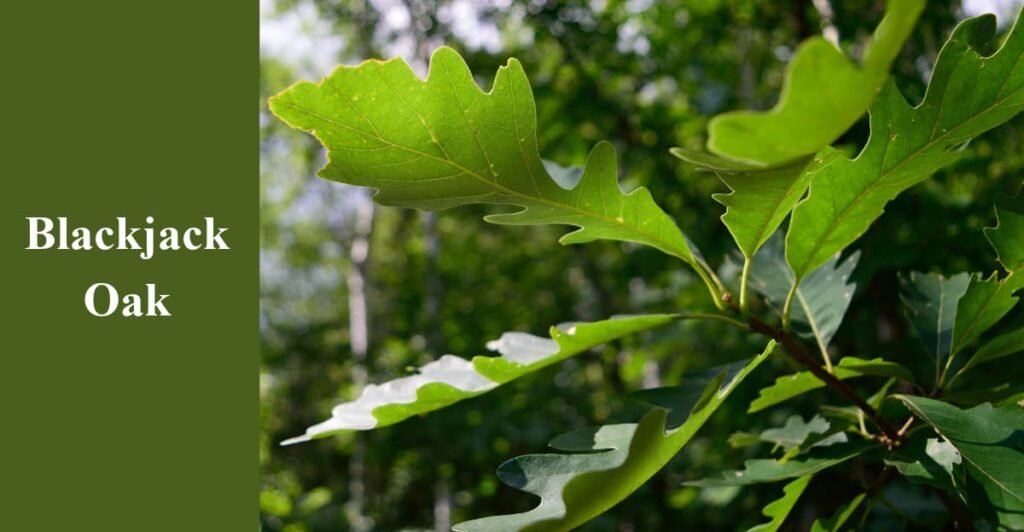
Blackjack Oak (Quercus marilandica) is a resilient tree native to Arkansas that may grow as a small tree or shrub. It has distinctive dark bark with a rough bark texture and tough leaves featuring three-lobed leaves. As an adaptable oak, it can survive in dry soils and nutrient-poor soils, making it suitable for challenging growing conditions. When examining this oak species, focus on its tree characteristics, bark, foliage, and soil adaptability, especially its ability to tolerate dry environments and other difficult environments.
Blackjack Oak is a useful species to recognize in dry, rugged settings where less adaptable trees may struggle.
Cherrybark Oak
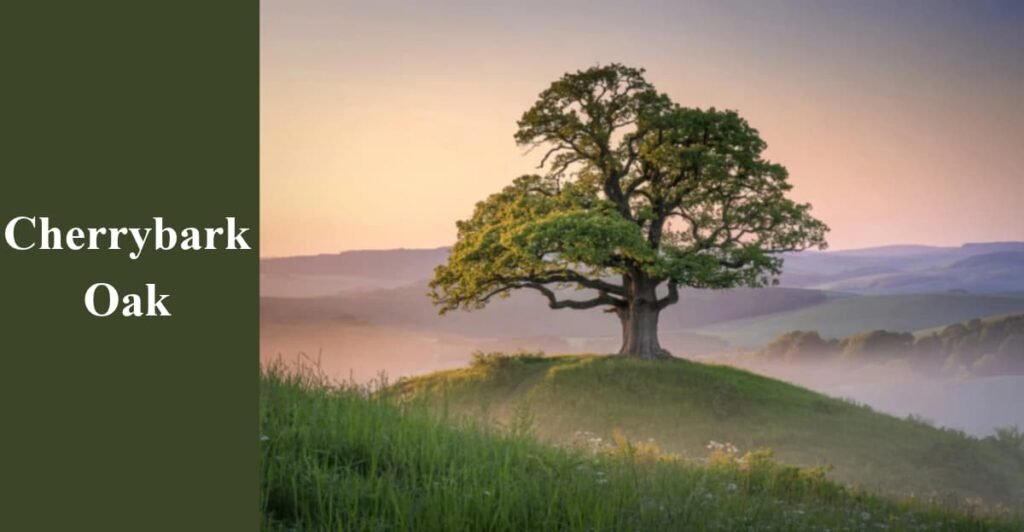
Cherrybark Oak (Quercus pagoda) is a distinctive tree indigenous to Arkansas, often growing well in moist soil that remains well-drained. On a young tree, the bark may show a reddish-brown hue that darkens and develops prominent ridges as the tree matures. These changes make bark a helpful feature when identifying this oak species. Pay attention to its tree characteristics, bark color, bark texture, and preferred soil conditions, particularly the balance of moisture and drainage that supports this native oak.
Observing how Cherrybark Oak bark changes with age can make it easier to distinguish mature specimens from younger trees.
Maple Leaf Oak
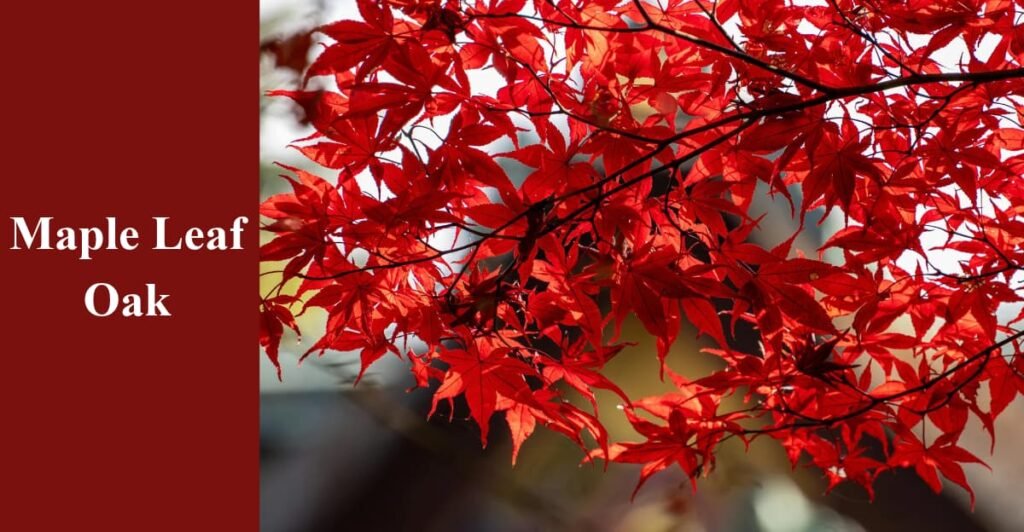
Maple Leaf Oak (Quercus acerifolia) is a distinctive tree with a scientific name that reflects its unusual leaf shape. This medium height oak can reach about 50 feet and grows in mountain slopes and ridge tops in parts of Arkansas. Its documented range includes Logan, Montgomery, Polk, and Sebastian counties, making it a noteworthy part of the local ecosystem. This unique part of Arkansas’s native oak diversity demonstrates the importance of protecting each tree habitat and the wider ecosystem where specialized species grow.
Maple Leaf Oak is especially interesting for its distinctive foliage and limited distribution, which make it worth learning to identify.
Nuttall Oak

Nuttall Oak, also known as Texas Red Oak, is an adaptable tree associated with wet clay soils and habitats near streams in the Lower Mississippi Valley. Its ability to grow in wet soil and clay soil makes it well suited to suitable streamside habitat. This native oak contributes to local forest diversity and demonstrates how tree adaptability helps different oak species occupy particular environments. When considering Nuttall Oak for a planting site, assess the soil’s moisture and texture and whether the location reflects its preference for wet environments.
Nuttall Oak is a valuable species to consider when learning about native oaks that thrive in moist, heavy soils.
Swamp Chestnut Oak
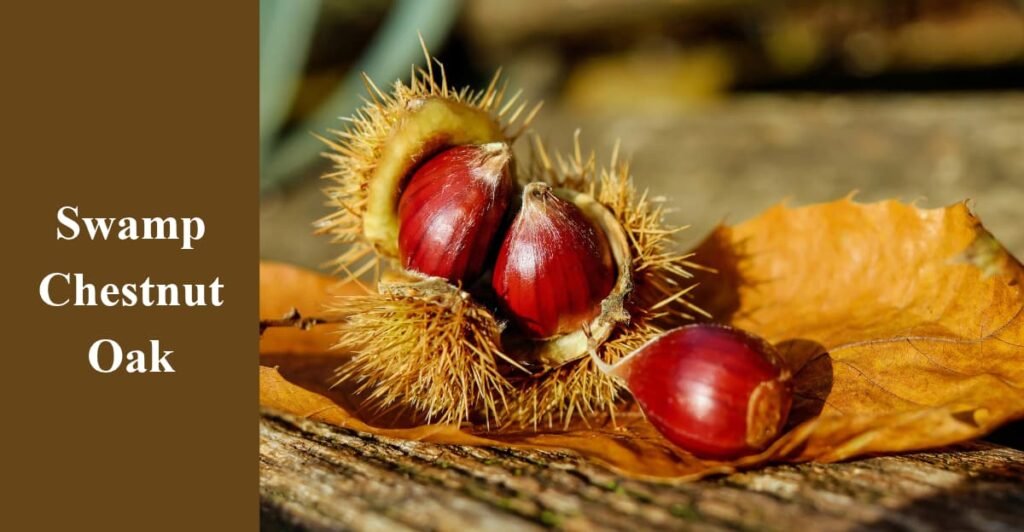
Swamp Chestnut Oak, sometimes called basket oak or cow oak, is an imposing tree with a towering presence in parts of Arkansas. It typically reaches 48 to 100 feet in height, making it a substantial feature in suitable landscapes. This oak species favors moist conditions and is often associated with well-drained floodplains, where seasonal moisture supports its growth. Understanding its tree height, moisture needs, and preferred habitat can help determine whether it suits a site with wet environments or floodplain habitat. As a native oak, it also contributes to the ecological value of Arkansas’s floodplain forests.
Swamp Chestnut Oak is an impressive choice for suitable large properties where there is enough room for its mature canopy.
Willow Oak
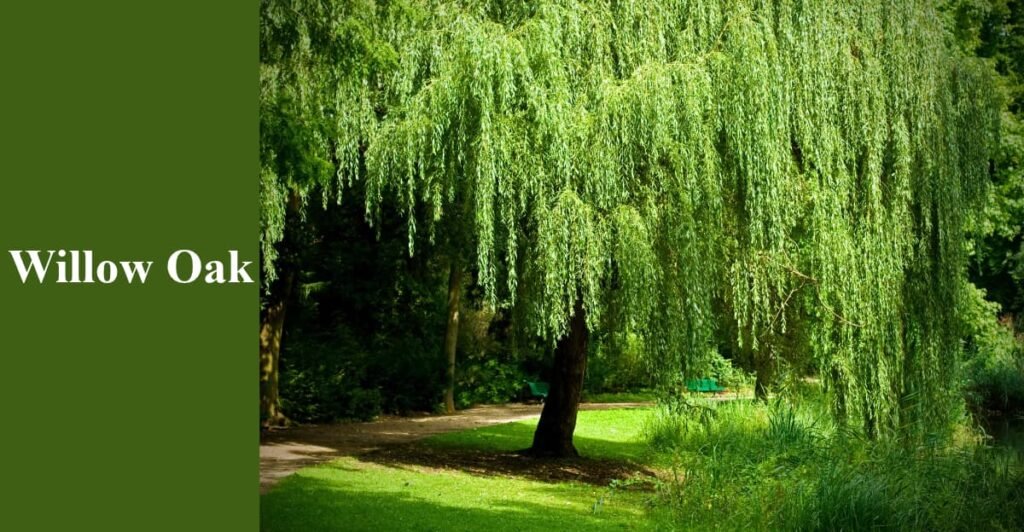
Willow Oak (Quercus phellos) is a fast-growing tree that can reach around 140 feet under favorable conditions. In Arkansas, it is commonly associated with streams, rivers, and moist soil. Its shallow root system makes planting location important, as poor drainage and proximity to nearby structures can create potential damage concerns.
Despite these considerations, Willow Oak is one of the more resilient trees, with a long lifespan that may reach 100 years. It produces acorns, sometimes in an abundance of acorns, providing a vital food source for local wildlife. Because it is highly adaptable and aesthetically pleasing, it remains a popular choice for shade and as a street tree in the southern United States. When planning for this oak species, consider tree growth, its root system, its role as a landscape tree and shade tree, its value as wildlife food, and its status as a native oak in river habitat and stream habitat. Check soil moisture, drainage tolerance, and the needs of urban landscaping before planting.
Willow Oak can provide excellent shade and wildlife value, but giving its roots sufficient space is important for long-term success.
Identifying Oak Trees in Arkansas
To identify an oak tree in Arkansas, examine its leaves, bark, acorns, and overall growth pattern. Each of these features offers distinct features and crucial clues that support proper identification and reliable tree identification. Comparing several characteristics rather than relying on one detail can help distinguish similar oak species. Focus on leaf characteristics, bark texture, acorn shape, and growth habits to build a more accurate identification.
I find it helpful to examine leaves and bark together, then confirm the identification by checking acorns and the tree’s overall shape.
Leaf Structure and Margins
Oak leaves display a variety of shapes that help in distinguishing species. The two primary groups are red oaks and white oaks. White oak leaves commonly have rounded edges or blunt teeth and generally lack pointy bristles; examples include White Oak, with its smooth contours, and Post Oak, whose leaves can resemble a cross. Chinkapin Oak has prominent teeth and large teeth along its leaf margins. In contrast, red oak leaves usually have pointed ends tipped with a bristle. Scarlet Oak, for example, features deeply cut lobes. Studying these leaf characteristics supports oak identification and species identification by comparing leaf margins, leaf structure, and the defining traits of different oak groups.
Looking closely at leaf tips and edges is one of the quickest ways to narrow down an oak’s identity during a field walk.
Bark Characteristics
Oak trees develop different bark patterns as they grow, providing useful identification clues. Northern Red Oak, when young, often has a relatively smooth, gray-green surface. As it becomes mature, its bark develops distinct, firm ridges that may be long and flat, with lighter hues and deep grooves. Post Oak, by comparison, develops thick, gray-brown bark. Older specimens may show narrow cracks, uneven cracks, and scaly ridges. These distinguishing features help with differentiating oak species across Arkansas. For accurate tree identification, compare bark characteristics, bark texture, and bark structure, while also considering leaves and the tree’s overall growth.
Examining bark at different heights on the trunk can reveal useful differences between young and mature oak trees.
Acorn Morphology
Oak trees produce acorns that vary by species, with uniquely shaped, differently sized, capped nuts that can help distinguish individual species. The two main oak groups are the white oak group and the red oak group. White Oak Acorns typically mature rapidly during a single growing season, while Red Oak Acorns require an extended period of two to three seasons to ripen. These groups also differ in tannin content: white oak acorns generally have lower tannin content, while red oak acorns tend to have higher tannin levels. Comparing acorn morphology, acorn characteristics, acorn size, acorn shape, and acorn caps can help identify which oak group a tree belongs to.
When acorns are available, their shape and cap are useful clues, especially when combined with leaf and bark observations.
Overall Growth Habits for Tree Identification
Each oak species develops a unique growth habit, making height, crown shape, and branching patterns important for tree identification. Pin Oak often has a pyramidal form when young trees begin growing, then develops an oval canopy as it matures, with drooping lower branches. Many White Oaks, by contrast, form wide crowns, rounded crowns, and robust branches with horizontally spreading branches. Some species may reach 80 to 100 feet once mature. Observing these fully developed patterns helps distinguish oak species by their growth habit, tree shape, canopy, and branching, providing another useful tool for accurate identification.
Looking at the whole tree from a distance often helps confirm an identification after checking leaves, bark, and acorns up close.
Climate and Soil Requirements for Oak Trees in Arkansas
Oak trees in Arkansas grow best when the climate, soil, and moisture levels meet their natural needs. The following points explain the main climate requirements and soil requirements for maintaining healthy, resilient trees.
- Agreeable Climate: Oak trees in Arkansas benefit from an agreeable climate with adequate rainfall, seasonal warmth, and consistent moisture for healthy growing.
- Temperature Tolerance: Many oak species can withstand brief dry spells and some extreme cold, but prolonged parched heat may affect their health and vigor.
- Well-Draining Soil: Choose well-draining soil that allows roots to receive oxygen while retaining enough moisture for steady growth.
- Organic Matter: Soil containing organic matter supports root development and improves overall soil conditions.
- Suitable Soil pH: Many oaks tolerate a pH range of approximately 4.5 to 6.5, although the ideal range varies by species.
- Rocky and Gravelly Soils: Some oak species can grow in rocky soils and gravelly soils, depending on their natural habitat and root requirements.
- Avoid Excessive Water: Excessive water and poor soil drainage can deprive roots of oxygen and negatively affect tree health.
- Match Site Conditions: Consider local climate requirements, soil requirements, and available moisture before planting to help oaks establish strong roots and remain healthy.
Optimal Environmental Conditions
The ideal conditions for oak trees support consistent growth, allowing these trees to flourish and function as essential carbon sinks that help maintain ecological balance in Arkansas.
- Suitable Environmental Conditions: Appropriate environmental conditions help support steady tree growth and long-term tree survival.
- Carbon Storage: Healthy oaks act as carbon sinks, absorbing and storing carbon as they grow and contributing to the wider ecosystem.
- Natural Habitat: Planting oak species suited to the local natural environment helps them adapt to the region’s climate and soil.
- Balanced Moisture: Adequate moisture supports root development, foliage growth, and overall tree vitality.
- Ecological Importance: Strong, established oak trees contribute to ecological balance by providing habitat and food for wildlife and supporting the health of the surrounding ecosystem.
Preferred Soil Types and pH Levels
Oak trees in Arkansas thrive under specific conditions, with ideal soil varying by species. Northern Red Oak shows remarkable adaptability across a wide array of soil types, while other oak varieties, including Pin Oak, Overcup Oak, and Water Oak, can tolerate poorly drained land, wet environments, or clay-rich environments. The extensive range of the oak genus allows these trees to grow across Arkansas’s varied landscapes and suitable habitats.
Understanding the preferred soil types, pH levels, soil preference, and soil adaptability of individual species helps gardeners choose the right habitat and appreciate the state’s impressive oak diversity.
Conclusion
Exploring the types of oak trees in Arkansas reveals a rich variety of native species that provide shade, support wildlife, and enhance local ecosystems. By understanding oak tree identification, soil preferences, climate requirements, and growth habits, you can choose the right oak for your landscape. Learn about these remarkable trees to create a healthier, more beautiful, and wildlife-friendly environment.
Frequently Asked Questions
1. What are the most common types of oak trees in Arkansas?
Common oak species in Arkansas include White Oak, Northern Red Oak, Post Oak, Southern Red Oak, Black Oak, Scarlet Oak, Bur Oak, Pin Oak, and Willow Oak.
2. How can I identify an oak tree in Arkansas?
Identify oak trees by examining their leaf shape and margins, bark texture, acorn characteristics, and overall growth pattern. Comparing several features provides more reliable identification.
3. What soil is best for growing oak trees in Arkansas?
Soil preferences vary by species. Many oaks grow well in well-drained soil with organic matter, while species such as Pin Oak, Overcup Oak, and Water Oak can tolerate wetter conditions.
4. Why are oak trees important to Arkansas’s ecosystem?
Oak trees support local biodiversity by providing food and habitat for wildlife. Their acorns feed animals such as deer, squirrels, wild turkeys, and blue jays, while mature trees contribute shade, carbon storage, and forest health.
Please Write Your Comments