Kangaroo Paw Flower: Meaning, Types, Care Guide, and Growing Tips for Vibrant Blooms
Updated: September 5, 2026
18
Discover why the Kangaroo Paw Flower is becoming a standout choice for gardeners who want vibrant blooms, unusual beauty, and drought-tolerant performance. From its unique tubular blooms and Australian heritage to its meaning, popular types, planting needs, and essential care tips, this flower offers plenty to explore. Keep reading to discover how to grow healthy kangaroo paw flowers, attract honeyeaters, and create a colorful garden filled with seasonal interest.
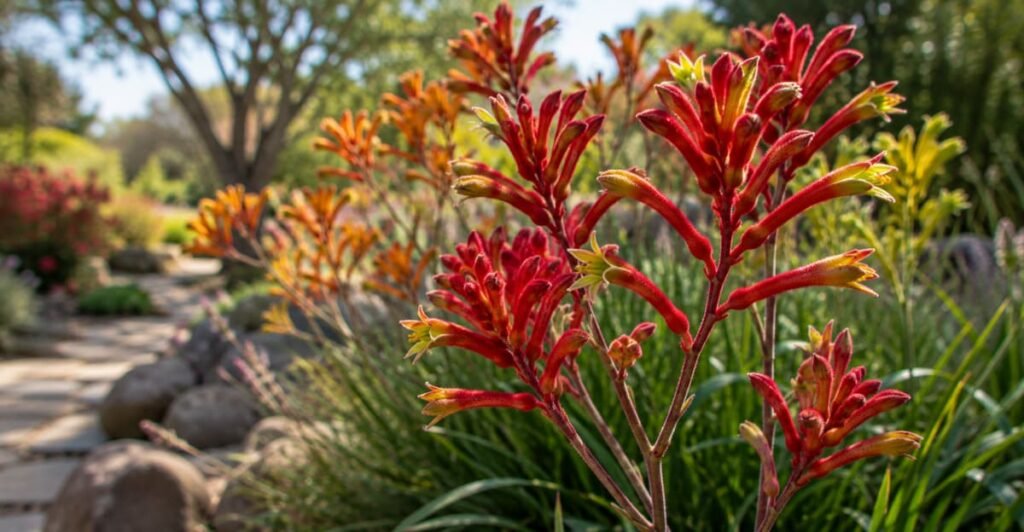
Table of Contents
What Is the Kangaroo Paw Flower?
The Kangaroo Paw Flower includes approximately 11 species in the genus Anigozanthos, along with Macropidia fuliginosa, recognized for their distinctive tubular blooms covered in dense velvety hairs. Their unusual texture, unopened bud, and resemblance to a kangaroo’s foot make them fascinating additions to the botanical world.
In horticulture, these clumping perennials grow from underground rhizomes and produce fans of strap-like green foliage or bluish-green foliage. Their saturated colors and high-definition look appeal to floral designers and landscape architects, while their role as pollinator plants provides a valuable nectar station for long-beaked birds.
In my experience, their unusual form and vivid colors make them especially effective when used as a focal point in a sunny garden.
Botanical Features and Unique Appearance
The Kangaroo Paw Flower is defined by its distinctive inflorescence, with flowers rising on sturdy stalks that may be leafless stalks ranging from a few inches to six feet tall, depending on the plant variety. Its tiny branched hairs trap light, creating a glowing neon effect when exposed to bright sunlight.
Its remarkable floral structure reflects evolutionary biology, as the zygomorphic, bilaterally symmetrical flowers open like a paw, revealing pollen-bearing anthers that position pollen on a honeyeater bird’s head as it seeks nectar. This symbiotic relationship supports local wildlife and increases wildlife activity around an outdoor space.
In my experience, placing a kangaroo paw where bright sunlight reaches the flowers fully makes its glowing texture and unusual structure especially noticeable.
Different Types of Kangaroo Paw Flowers
Anigozanthos includes true species, modern hybrids, and cultivars, giving gardeners plenty of options for 2026 gardens, from naturally rugged charm to improved disease resistance and extended flowering seasons. Popular choices differ in height, color, texture, and growing habit, making them suitable for modern landscaping or container gardening.
Anigozanthos flavidus (Tall Kangaroo Paw): A robust, long-lived species that can reach 2 meters and is notably resistant to Ink Spot Disease.
Anigozanthos manglesii (Red and Green Kangaroo Paw): The floral emblem of Western Australia, famous for the striking contrast of emerald green flowers and bright red stems.
Bush Gems Series: These hybrid varieties have a compact growth habit, making them particularly suitable for container gardening.
Velvet Series: Known for its velvety feel and exceptionally drought-tolerant qualities, these varieties are dependable workhorses for modern landscaping.
In my experience, selecting a variety according to available space, climate, and desired color gives the most attractive and reliable results.
Symbolism and Meaning of Kangaroo Paw Flower
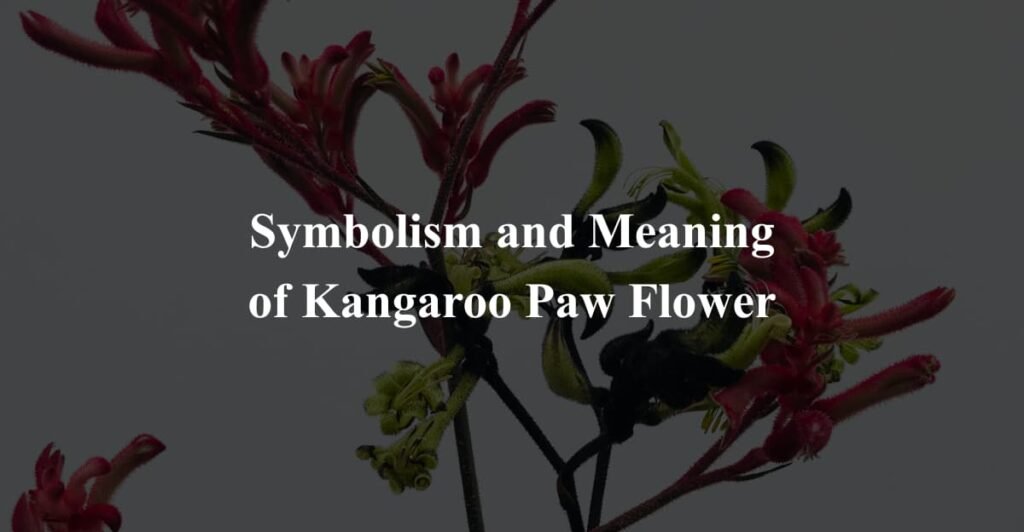
In the language of flowers, the Kangaroo Paw Flower represents uniqueness, individuality, and strength, reflecting its ability to endure harsh sandy conditions with remarkable resilience and create beauty in adversity. As a quintessentially Australian plant, it also carries associations with national pride and heritage, adding cultural meaning to its distinctive appearance.
Across indigenous cultures, the plant and its relatives have been connected with medicinal purposes, while today its importance is largely ornamental and ecological. In floral arrangements, its unique silhouette can express a one-of-a-kind personality, while its bold character and color suit the vibrant spirit of 2026 design.
In my experience, its unusual shape makes it especially meaningful in arrangements intended to express individuality and strength.
Best Conditions to Grow Kangaroo Paw Flower

The Kangaroo Paw Flower performs best when its growing environment resembles the open Australian scrubland, where strong light, warmth, and good airflow support healthy growth. Although these are not always set and forget plants, providing the right environmental factors can make them highly rewarding additions to a vibrant garden.
- Excellent Air Circulation: Avoid high humidity and maintain excellent air circulation around the foliage to keep it dry and reduce fungal outbreaks.
- Warm Temperature: These plants appreciate heat, but many varieties are sensitive to heavy frost, particularly during winter.
- Cooler Zones: In 2026, gardeners in cooler zones may grow smaller perennials as annuals or move them into protected botanical sanctuaries such as greenhouses.
- Full Sun: Choose a location with full sun, as excessive shade can produce weak stems and fewer nectar-rich blossoms.
In my experience, combining full sun, dry foliage, and consistent airflow gives kangaroo paws stronger growth and more dependable flowering.
Soil Requirements for Healthy Growth

The rhizomatous root system of kangaroo paw is sensitive to excess moisture and soil chemistry, so heavy clay or heavy soil can quickly lead to root rot within a single season. For healthy growth, focus on a balanced soil composition using well-drained soil, ideally a sandy mix or loamy mix, so water can move freely through the root zone.
- Low Phosphorus: Like many native Australian plants, kangaroo paw prefers low phosphorus, as excessive phosphorus can damage sensitive roots.
- Suitable pH: Maintain an acidic pH to neutral pH, ideally between 5.5 and 6.5.
- Heavy Soil: If the garden has heavy soil, planting on a raised mound can improve drainage and help regulate moisture levels.
- Organic Mulch: Apply organic mulch such as gravel or coarse bark around the base, while keeping it from directly touching the plant.
In my experience, improving drainage before planting is far more effective than trying to correct moisture problems after root rot has already developed.
Watering and Sunlight Needs
Getting irrigation right is often the holy grail of kangaroo paw care, particularly through spring and summer, when the plant develops its striking appearance and benefits from regular deep watering. Allow the soil surface to dry out between watering sessions rather than keeping it constantly wet.
Think of sunlight as a set of solar panels for these plants: the more light they receive, the stronger their vibrant colors become. In 2026, plants receiving around 8 hours of unobstructed light can develop sturdier stalks and may need less staking; always water at the base and avoid wetting the foliage, which can encourage pathogens.
In my experience, deep watering at the base combined with plenty of direct sunlight consistently produces stronger stalks and richer flower color.
How to Plant Kangaroo Paw Flower Step by Step
Planting in early spring or autumn gives the root system enough time to establish before the extremes of summer or winter. Select a suitable site with maximum bright sunlight, test the drainage before planting, and prepare the soil carefully to give the plant a healthy start.
Step 1: Choose a site with maximum bright sunlight and check drainage by pouring water into a test hole.
Step 2: Dig a hole approximately twice the width of the pot, but avoid making it deeper than the container.
Step 3: Carefully remove the plant from its container, taking care not to disturb the rhizomes.
Step 4: Position the crown level with the soil surface, because planting too deeply can cause crown rot.
Step 5: Backfill the hole with native soil, adding some potting mix if necessary.
Step 6: Water the newly planted kangaroo paw thoroughly, then apply a thin layer of mulch, keeping it away from the stems.
In my experience, careful planting depth and excellent drainage make the biggest difference when helping kangaroo paw establish successfully.
Seasonal Care and Maintenance Tips
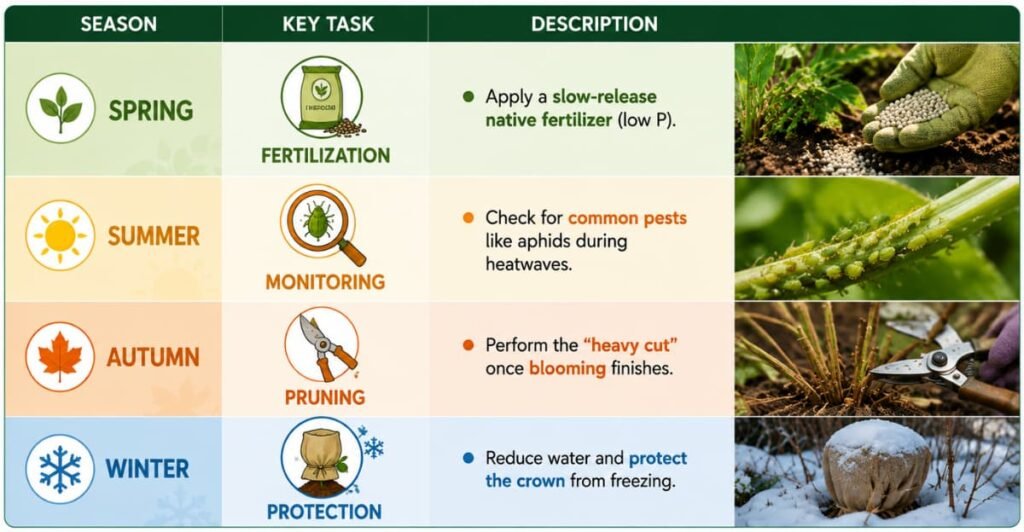
Follow the calendar by feeding with slow-release native fertilizer low in P during spring, monitoring common pests like aphids in summer, performing a heavy cut after blooming in autumn, and providing protection while reducing water in winter. Apply liquid seaweed extract every few weeks to support the immune system and maintain seasonal interest through fluctuations.
Common Pests and Diseases Affecting Kangaroo Paw
Ink Spot Disease, caused by Alternaria alternata, is one of the most recognizable problems, appearing as black smudges or inky smudges on the leaves and reducing the quality of the floral display. Other common threats include snails, slugs, and aphids, while rust can develop as a fungal issue under humid conditions.
Ink Spot Disease: Watch for black or inky marks on leaves that can weaken the plant and affect its floral display.
Snails and Slugs: These pests are attracted to the plant’s dense strappy leaves and can cause noticeable feeding damage.
Aphids: Aphids may gather around tubular blooms, feeding on sap and distorting the flower.
Rust: This fungal issue can produce orange pustules, particularly during humid conditions.
Organic Pest Control: Organic pest control, adequate spacing, and good airflow are useful preventative measures.
2026 Garden Care: Many gardeners are using neem oil and potassium bicarbonate sprays as safe, non-toxic approaches to manage these horticultural challenges.
In my experience, early inspection combined with good airflow is one of the simplest ways to prevent small pest or disease problems from becoming serious.
Pruning and Deadheading Techniques
Proper pruning helps the Kangaroo Paw Flower remain productive for more than a year or two, but this plant responds better to a renovation approach than light trimming. Keep clean shears ready and act when the flower stalks turn brown and the petals begin to fall.
Deadhead Spent Stalks: Deadhead the spent stalks promptly to redirect energy back to the rhizome.
Cut the Leaf Fan: When the entire fan of leaves looks tired, cut it down to about 2 inches above the soil.
Encourage New Growth: New shoots and healthy green shoots will emerge from the underground stems, helping renew the plant.
Prevent Decline: Regular renovation keeps the plant young and helps prevent it from developing into a woody, unproductive clump.
In my experience, decisive seasonal pruning produces much healthier new growth than repeatedly giving an established plant only light trims.
How to Propagate Kangaroo Paw Flower
The Kangaroo Paw Flower can be grown from seed, but this is often a slow process and frustrating process because of low germination rates. For exotic plants, division is generally a more reliable method, especially when established plants have developed a substantial clump.
Divide the plant every 3 to 4 years in early spring by lifting the entire clump and carefully separating the rhizomes with a sharp knife or sterile knife. Each new piece should contain a healthy fan of leaves and a strong set of roots, then be replanted in well-drained soil; this provides free plants, rejuvenates the parent plant, and helps prevent dead center syndrome in older perennials.
In my experience, division is the easiest way to produce vigorous new plants while simultaneously refreshing an established kangaroo paw clump.
Uses of Kangaroo Paw Flower in Landscaping
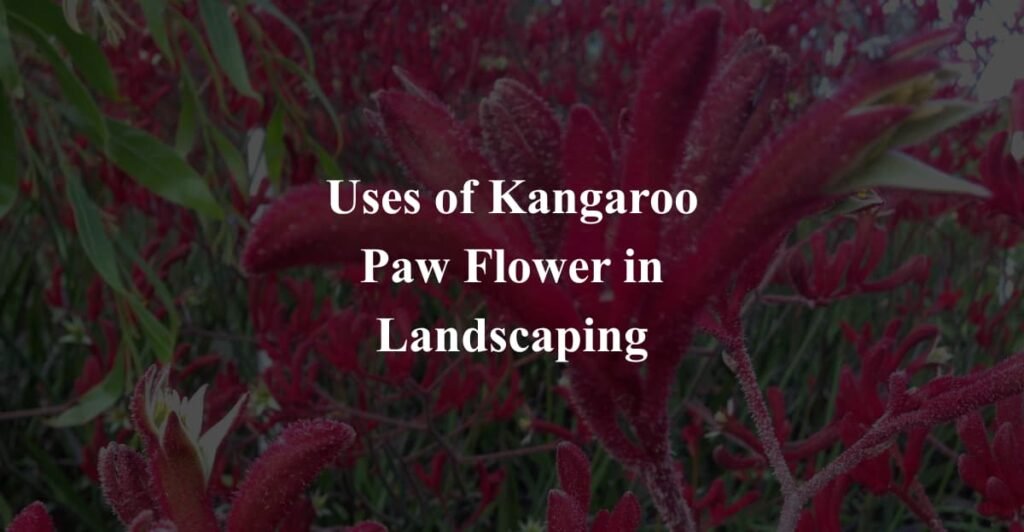
The kangaroo paw brings a unique silhouette to contemporary landscape designs, making it especially useful across 2026 garden styles. Its architectural flowers work equally well in modern minimalist settings, wildlife-friendly spaces, coastal planting schemes, and decorative displays, while its long-lasting blooms also transition beautifully into indoor decor.
Modern Minimalist: Plant a single color variety in mass plantings to create a bold, clean look against concrete or timber.
Pollinator Gardens: Combine bird-attracting species with Grevillea and Banksia to establish a biodiversity hotspot that supports visiting wildlife.
Coastal Gardens: Its salt tolerance makes it suitable for seaside properties, provided the plants are shielded from the harshest direct salt spray.
Cut Flower Arrangements: The long-lasting flowers are excellent for cut flower arrangements and indoor decor, staying fresh in a vase for up to two weeks.
In my experience, a kangaroo paw looks particularly striking when grouped in masses, where its unusual form creates a strong visual rhythm across the landscape.
Benefits and Importance of Kangaroo Paw Flower

Even seasoned horticulturalists can make common mistakes when growing these exotic plants, particularly when basic watering and feeding needs are overlooked. One of the biggest pitfalls is overwatering during winter, because excessive moisture around the roots can quickly encourage root rot.
Another common mistake is using standard fertilizer without considering the plant’s sensitivity to phosphorus. Excessive phosphorus can damage the roots, weakening the plant and making recovery more difficult.
In my experience, careful winter watering and a suitable low-phosphorus fertilizer are two of the most important habits for keeping kangaroo paw healthy.
Common Mistakes to Avoid While Growing Kangaroo Paw
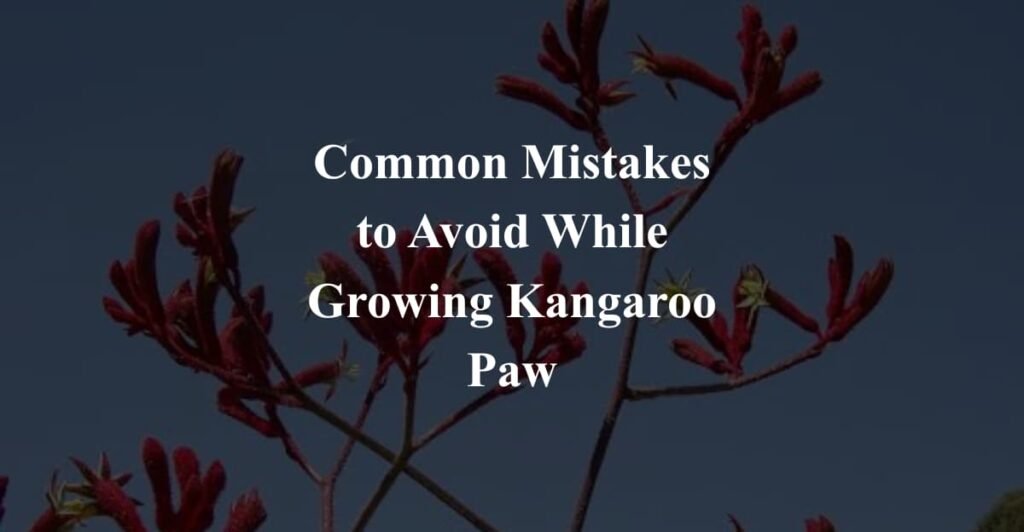
Even seasoned horticulturalists can encounter common mistakes and pitfalls when growing these exotic plants, but most problems are preventable with attentive care. Avoid overwatering during winter, as excess moisture can cause root rot, and avoid standard fertilizer because excessive phosphorus can damage the roots.
Overwatering: Excessive watering, especially in winter, can lead to root rot and weaken the plant.
Standard Fertilizer: Avoid fertilizer high in phosphorus, as it can harm the sensitive roots.
Planting in Shade: Growing kangaroo paw in shade may produce plenty of leaves but fewer nectar-rich blossoms.
Neglecting Pruning: An unpruned kangaroo paw can accumulate dead tissue and become more vulnerable to Ink Spot Disease.
Poor Airflow: Close planting in a humid climate restricts airflow and can create conditions for a fungal disaster.
Best Practice: By avoiding errors and following the step-by-step guide, your Kangaroo Paw Flower can remain a standout feature in the landscape, providing seasonal interest and architectural beauty for years.
In my experience, proper spacing, careful watering, and timely pruning are the three habits that make the biggest difference in keeping a kangaroo paw vigorous and attractive.
Conclusion
The Kangaroo Paw Flower combines unique beauty, drought-tolerant growth, and strong pollinator appeal, making it a rewarding choice for modern gardens. With full sun, well-drained soil, careful watering, timely pruning, and suitable varieties, you can encourage healthy growth and vibrant blooms. Whether grown in flower beds, containers, or landscape designs, this distinctive Australian plant can add lasting seasonal interest and architectural beauty.
Frequently Asked Questions
What is a Kangaroo Paw Flower?
The Kangaroo Paw Flower is a group of plants in the Anigozanthos genus, known for tubular, velvety flowers and distinctive kangaroo-paw-like blooms.
Does Kangaroo Paw need full sun?
Yes. Full sun helps produce stronger stems and more abundant, nectar-rich blossoms.
What type of soil is best for Kangaroo Paw?
It prefers well-drained soil, particularly a sandy or loamy mix, with an acidic to neutral pH of about 5.5 to 6.5.
How often should Kangaroo Paw be watered?
During spring and summer, provide regular deep watering, but allow the soil surface to dry between watering sessions.
Please Write Your Comments