Feverfew Flower: Complete Guide to Meaning, Benefits, Growing Tips, and Uses
Updated: September 5, 2026
25
Discover why the feverfew flower has become a popular natural remedy, medicinal plant, and garden favorite for its charming daisy-like blooms and traditional wellness uses. From traditional medicine and herbal relief to growing tips, therapeutic benefits, and pollinator appeal, this perennial herb offers more than beautiful white blossoms. Keep reading to explore its meaning, benefits, uses, and easy-growing secrets, then bring this versatile botanical treasure into your own garden and wellness routine.
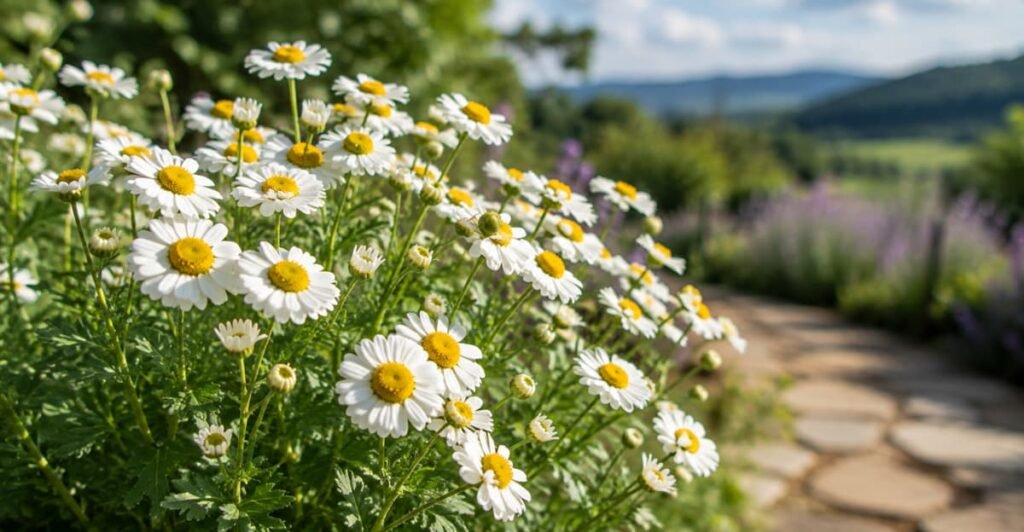
Table of Contents
Botanical Classification of Feverfew
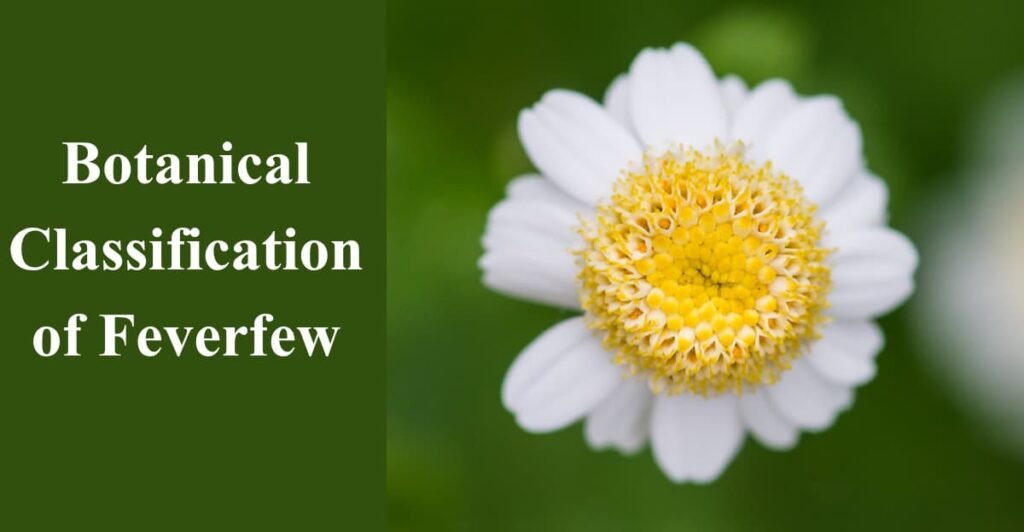
Feverfew, scientifically known as Tanacetum parthenium, belongs to the Asteraceae family, alongside sunflowers, daisies, and marigolds, although its classification has historically included Chrysanthemum parthenium and Pyrethrum parthenium. Modern botanical taxonomy places it within the Tanacetum genus, while the Latin term febrifugia, meaning “fever driver,” reflects its historical association as an antipyretic agent.
As an herbaceous perennial, feverfew is valued for its resilience and ability to thrive across Zone 5, Zone 6, Zone 7, Zone 8, and Zone 9, making it useful in 2026 gardening. Its role as a medicinal herb and ornamental plant allows it to bridge functional pharmacy with aesthetic landscaping.
I find feverfew especially rewarding because its botanical identity, hardiness, and ornamental character make it a practical addition to diverse garden settings.
Appearance and Characteristics of Feverfew Flower
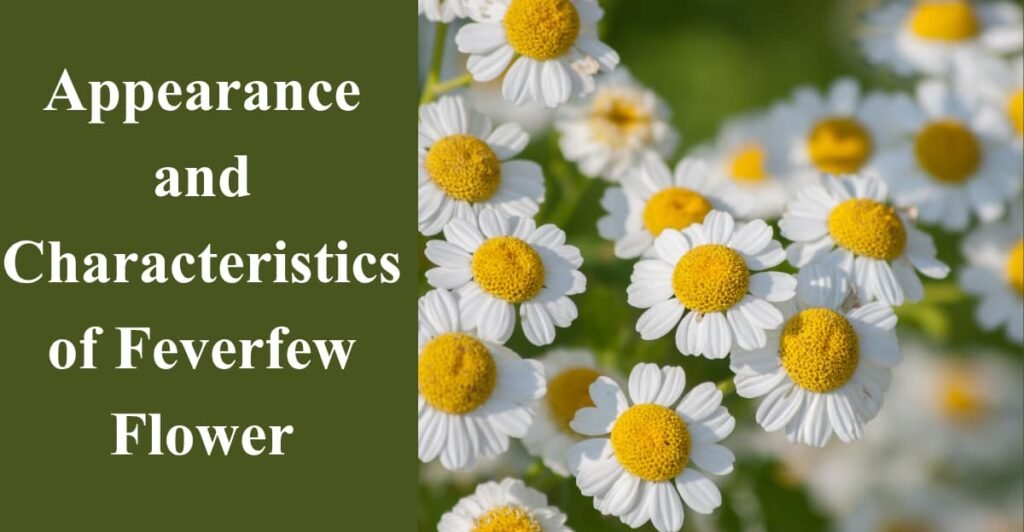
The feverfew flower, or feverfew bloom, can easily resemble a common field daisy, but its distinctive morphological traits include a bright yellow inner disk surrounded by white ray florets arranged in a single row. These small flowers, often about an inch across, appear in dense clusters and bushy clusters, creating a strong visual impact in a garden bed.
Its foliage features pinnate leaves that are deeply lobed and feathery leaves, usually showing a pale green to yellowish tint and releasing a citrus-like fragrance when handled. This aromatic profile comes from volatile oils and sesquiterpene lactones, which form a natural defense mechanism against herbivores, while its plant height of 12 to 24 inches, mounded shape, and compact shape make it suitable for border planting and container gardening.
I find its compact growth and finely divided foliage especially useful when creating textured borders or filling smaller containers.
Symbolism and Meaning of Feverfew Flower
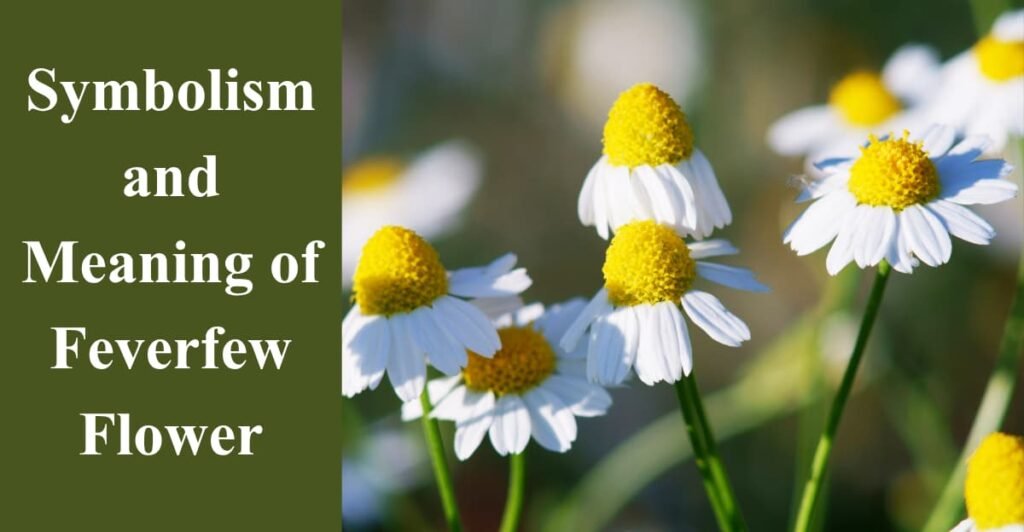
The feverfew flower carries a rich symbolism and meaning through the silent languages of plants, particularly the traditional language of flowers known as floriography. Historically associated with protection and health, its historical use in treating ailments helped establish it as a symbol of good health and resilience across different cultures.
Planting around the home was traditionally believed to ward off disease and purify the air, making feverfew a symbolic botanical shield for the household. In modern 2026 symbolism, it represents holistic balance, self-care, a speedy recovery, and a journey toward wellness, while its bouquets, daisy-like appearance, innocence, and simplicity reflect how powerful solutions can emerge from humble nature and unpretentious nature.
I particularly appreciate feverfew as a meaningful garden flower because its simple appearance conveys a quiet sense of resilience, wellness, and natural protection.
Health Benefits of Feverfew Flower
The feverfew flower has notable pharmacological potential, largely associated with parthenolide, a primary active compound found in high concentrations in its leaves; however, its health uses should be understood as traditional or investigational rather than a substitute for medical treatment.
Natural anti-inflammatory: Parthenolide has been studied for its influence on serotonin, prostaglandins, and the inflammatory process.
Migraine prophylaxis: Feverfew has traditionally been explored for migraine headaches, particularly for reducing their frequency and severity as a preventative measure, rather than an acute treatment.
Arthritis support: Its reported analgesic properties have contributed to its use in traditional medicine for joint pain, stiffness, and rheumatoid arthritis.
Menstrual relief: Its potential influence on prostaglandin production has led to interest in reducing menstrual cramps and supporting menstrual relief.
Skin health: Some 2026 studies are exploring topical extracts for sensitive skin, particularly their potential to reduce redness and irritation while acting as a soothing agent.
Growing Feverfew Flower in Your Garden
Feverfew is a hardy natured plant that suits both novice gardeners and experienced gardeners, requiring relatively little attention when provided with suitable environmental conditions for healthy bloom production and good chemical potency. It performs best in full sun, although afternoon shade can help in hot climates, making it easy to establish a thriving feverfew patch.
Sowing Seeds: Start seeds indoors about six weeks before the last frost, or use direct sowing in garden soil once the ground has warmed; because light helps them germinate, press seeds onto the soil surface rather than covering them deeply.
Soil Quality: Feverfew prefers well-draining soil but can tolerate poor soil; avoid wet feet, as excess moisture can contribute to root rot. A neutral pH to slightly acidic soil provides suitable growing conditions.
Transplanting: When planting nursery starts, space them approximately 12 inches apart to promote good air circulation and reduce fungal issues, including powdery mildew.
Care and Maintenance Tips for Feverfew
Once feverfew is an established plant, it needs little routine maintenance, making it easy to set it and forget it, but because it is a prolific self-seeder and can become slightly invasive, regular monitoring is important. Remove unwanted new seedlings, and deadhead by cutting off spent flowers before they develop seeds, helping control self-seeding and keeping the plant tidy for next year.
In my experience, a quick deadheading check every few days during flowering is enough to keep feverfew manageable, healthy, and attractive without demanding much effort.
Maintenance Schedule for Optimal Growth
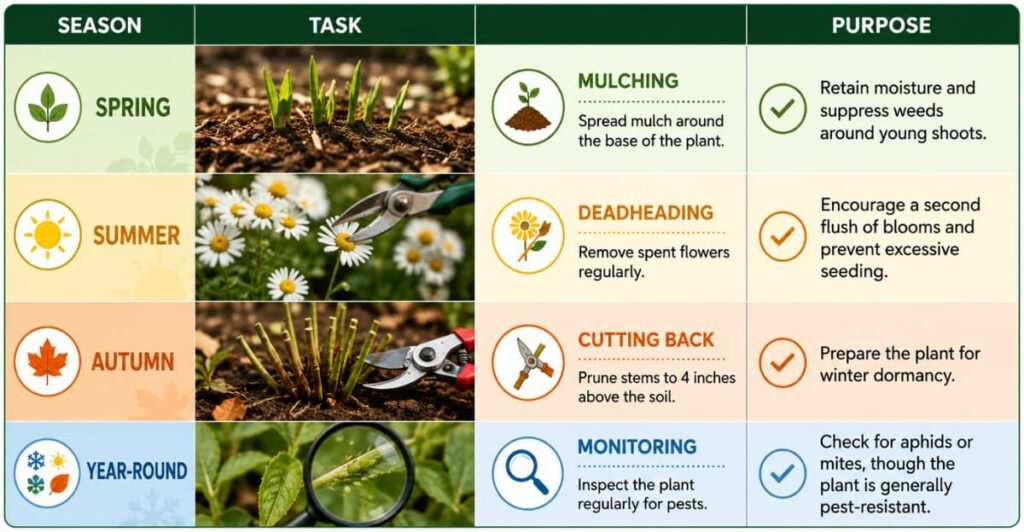
Follow seasonal care requirements by mulching in spring, deadheading in summer, cutting back in autumn, and monitoring during winter dormancy; water first year plants regularly while mature plants are drought-tolerant and pest-resistant. Avoid over-fertilizing with nitrogen to promote healthy medicinal flowers rather than excessive lush leaves.
In my experience, this routine keeps feverfew vigorous and its medicinal flowers productive.
Common Uses of Feverfew Flower
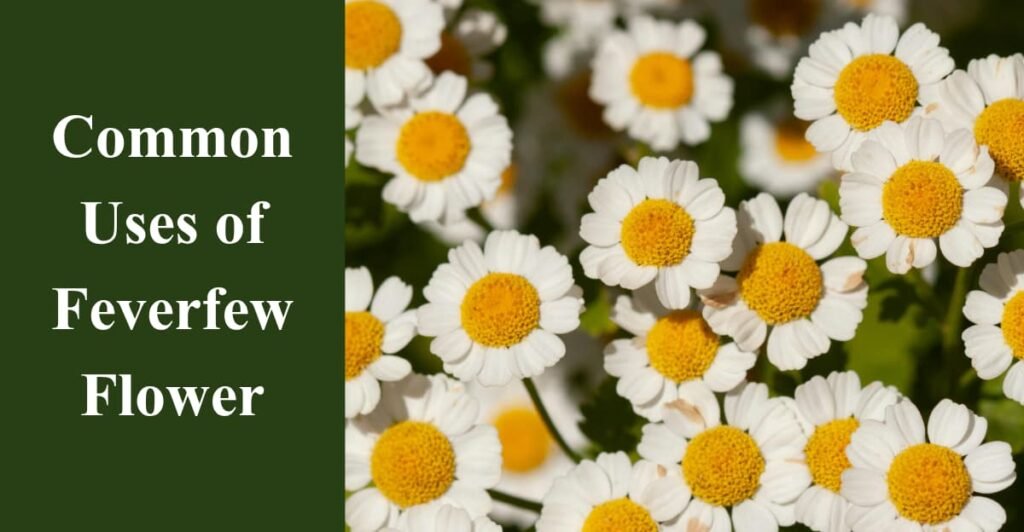
The feverfew flower is valued for its versatility, fitting into the medicine cabinet, kitchen, and craft room through traditional home herbalism and natural remedies. Because of its bitter taste, it is rarely used as a culinary herb, but its botanical properties make it suitable for several preparations in 2026, including herbal tinctures, dried infusions, and topical products.
Herbal tinctures: Leaves may be prepared with alcohol to create a concentrated extract taken in small drops as part of traditional approaches to long-term migraine prevention.
Dried infusions: Dried leaves can be brewed as tea, with honey or lemon added to balance the natural bitterness.
Topical salves: Feverfew flowers may be included in oils and ointments used traditionally around insect bites and localized swelling.
Companion planting: In the garden, feverfew is sometimes grown as a natural repellent near vegetable crops, where its presence may help discourage beetles and other pests, supporting crop protection.
Harvesting and Storage of Feverfew
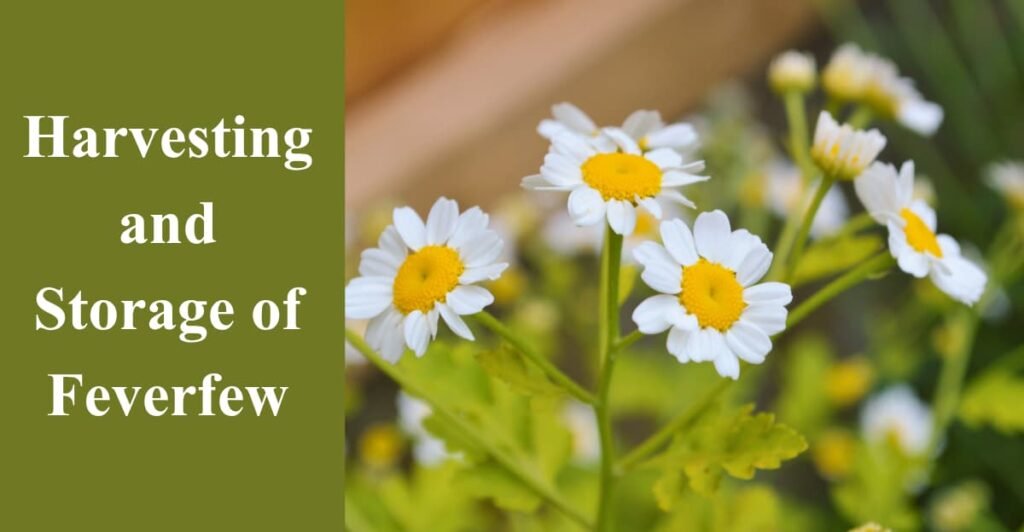
Harvest feverfew flower buds and flowers beginning to open with clean shears or sharp shears in the early morning after dew dries, avoiding peak sunlight to preserve essential oils, volatile compounds, and active phytochemicals for medicinal use; collect leaves and stems carefully. For storage, air-drying is ideal: bundle stems, hang upside down in a cool location, dark location, and dry location, then store brittle plant material, leaves, and petals in airtight glass containers in a dark cupboard, as light can degrade potency.
Interesting Facts About Feverfew Flower
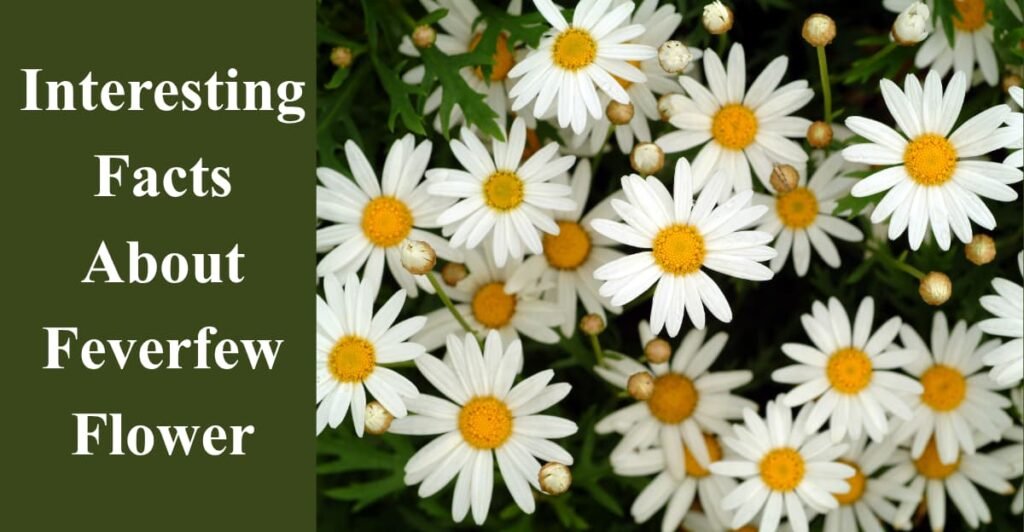
The feverfew flower has fascinating folklore, biological quirks, and traditional uses dating to ancient times, with Victorian era gardens valuing it for its colorful blooms and associations with melancholy and clean air.
Natural insecticide: Its compounds are linked to pyrethrum and some organic pesticides.
Bee magnet: Nectar attracts pollinators, supporting biodiversity gardens.
Traditional remedy: Fresh leaves were used for mouth ulcer and minor mouth sores.
Historical travel herb: Dried feverfew was carried on ships during long Atlantic voyages for fevers.
Modern appeal: Its pollinator-friendly blooms and hardy garden performance support natural wellness interest in 2026.
Conclusion
The feverfew flower combines charming daisy-like beauty, traditional medicinal uses, and easy-growing qualities that make it a valuable addition to many gardens. From its meaning and health benefits to cultivation, harvesting, and everyday uses, feverfew offers both ornamental appeal and herbal interest. With proper care and responsible use, this resilient perennial can bring lasting beauty and natural charm to your garden.
Frequently Asked Questions
What is the feverfew flower?
Feverfew is a perennial herb scientifically known as Tanacetum parthenium, recognized for its small white flowers, yellow centers, aromatic foliage, and traditional herbal uses.
What does the feverfew flower symbolize?
Feverfew commonly symbolizes health, protection, resilience, wellness, and recovery, reflecting its long history in traditional herbal practices.
What are the traditional benefits of feverfew?
Feverfew has traditionally been used for migraine prevention, inflammation, joint discomfort, menstrual cramps, and general herbal wellness, although evidence varies and it should not replace medical care.
Does feverfew come back every year?
Yes. Feverfew is generally an herbaceous perennial in suitable climates, although it can also reproduce readily through self-seeding.
Please Write Your Comments