Holly Flower Guide: Meaning, Types, Care Tips, and Uses in Landscaping
Updated: September 5, 2026
31
Discover the timeless beauty of the holly flower, from its delicate blossoms and glossy foliage to its iconic bright red berries that transform gardens through the seasons. Learn about holly flower meaning, popular types, growing requirements, care tips, ecological benefits, and creative landscaping uses in one practical guide. Keep reading to explore how this resilient and enchanting plant can add natural beauty, seasonal color, and lasting charm to your outdoor space.
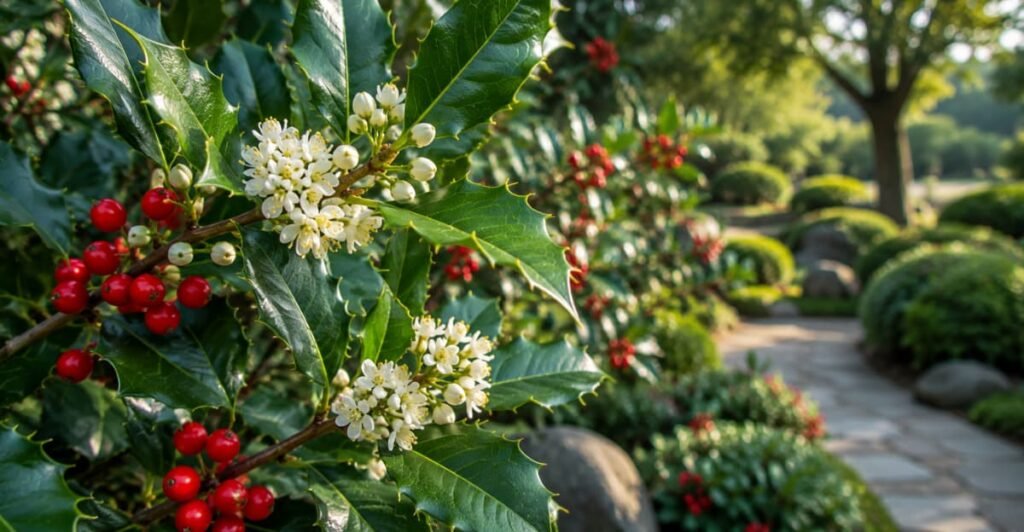
Table of Contents
Botanical Overview of the Holly Flower
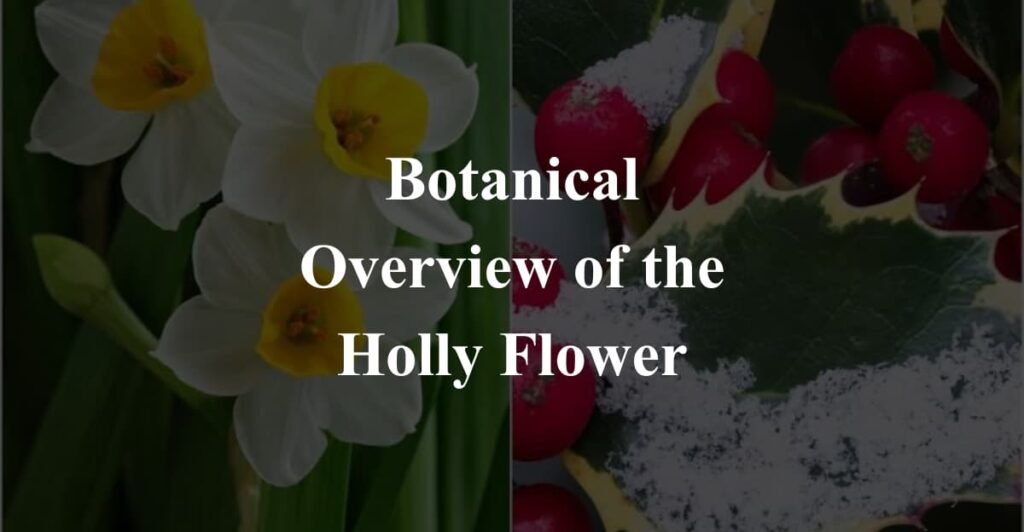
The holly flower is a delicate precursor to the vibrant berries of the Ilex genus, with blossoms that are typically small, inconspicuous, and creamy white to pale green. Most holly species are dioecious, meaning individual plants are either male or female, making plant anatomy important for successful reproduction. A male pollinator plant must be positioned near a female fruiting plant to support pollination and the production of bright red berries.
From my gardening experience, understanding the difference between male and female holly plants makes berry production much easier to manage in landscape plantings.
Origin and Natural Habitat of Holly Plants
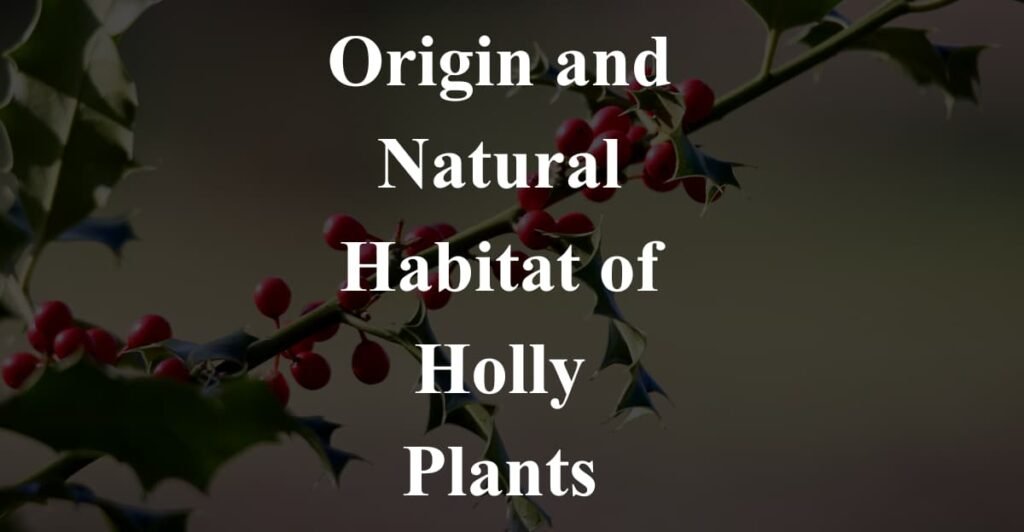
Holly plants have a vast global footprint, originating across diverse regions including Europe, Asia, and the Americas, where their natural habitat extends from dense temperate forests to coastal scrublands. These perennial shrubs have adapted to various climates over millennia, developing a resilient nature that helps them thrive in the wild as well as in modern outdoor spaces. Their broad distribution reflects their ability to adjust to different environmental conditions while maintaining their distinctive evergreen character and landscape appeal.
From my gardening experience, I have found that matching holly with conditions similar to its natural habitat encourages stronger growth and better long-term performance.
Physical Characteristics of Holly Flower and Plant Structure
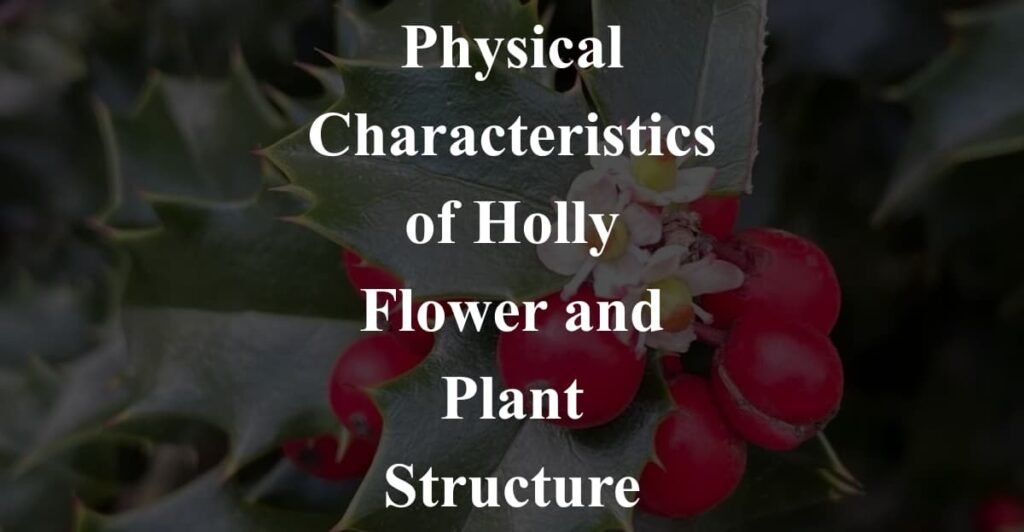
The physical structure of the holly plant is built for endurance, with the holly flower developing alongside glossy green leaves that often have sharp serrations as a natural defense mechanism against herbivores. Its evergreen foliage provides year-round structure, while the hardy shrub can range from a small bush to a towering tree, depending on the specific botanical species. These distinctive features give holly lasting ornamental value and help it remain adaptable across different landscape settings.
From my gardening experience, I find the combination of serrated leaves, dense foliage, and varied growth forms makes holly especially useful when creating year-round garden structure.
Different Types of Holly Plants and Their Varieties
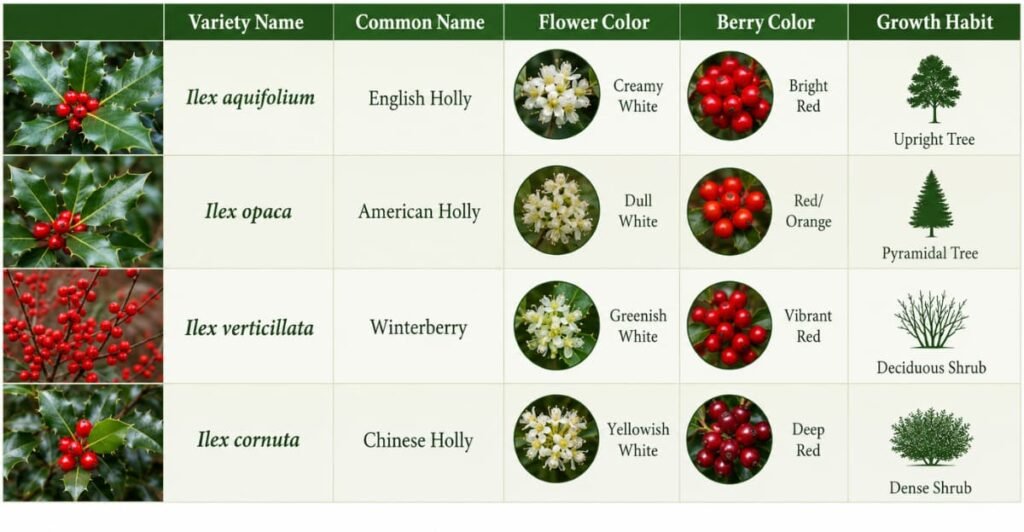
Holly plants showcase remarkable botanical diversity, with over 400 species in the Ilex genus, each suited to different local climates and soil conditions. Popular varieties include English Holly (Ilex aquifolium), American Holly (Ilex opaca), Winterberry (Ilex verticillata), and Chinese Holly (Ilex cornuta), offering unique leaves, berries, and growth forms.
In my experience, combining different holly varieties creates a striking garden display, especially when autumn berries contrast with evergreen leaves or bare stems.
Seasonal Blooming Cycle of Holly Flower
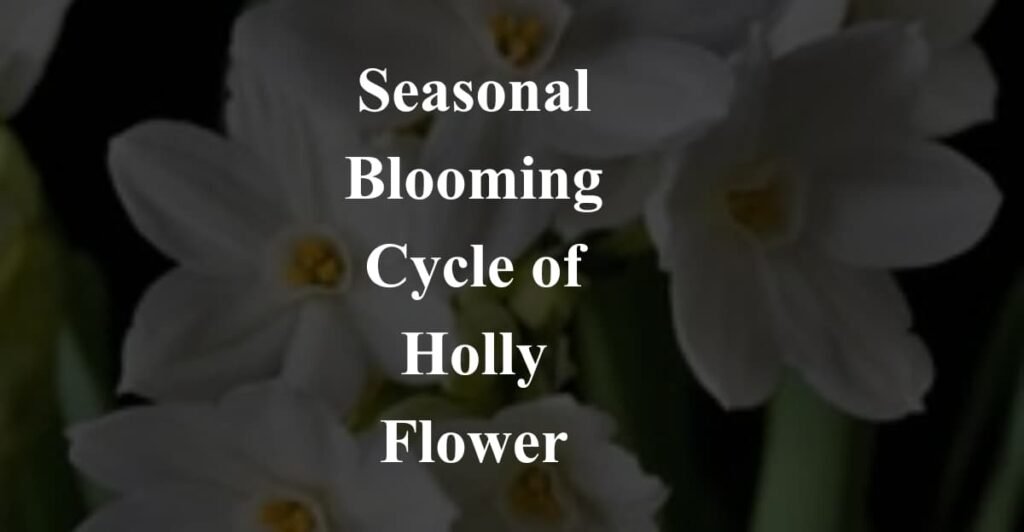
The growth cycle of holly follows a fascinating progression, with blossoms typically appearing in late spring or early summer within the leaf axils. These flowers become a vital nectar source during the peak of pollinator season, supporting successful pollination before female plants spend summer and autumn developing berries that reach full maturity during the winter months.
From my gardening experience, observing holly across the seasons makes its blooming cycle especially rewarding, particularly when early flowers eventually develop into colorful winter berries.
Symbolism and Cultural Meaning of Holly Flower
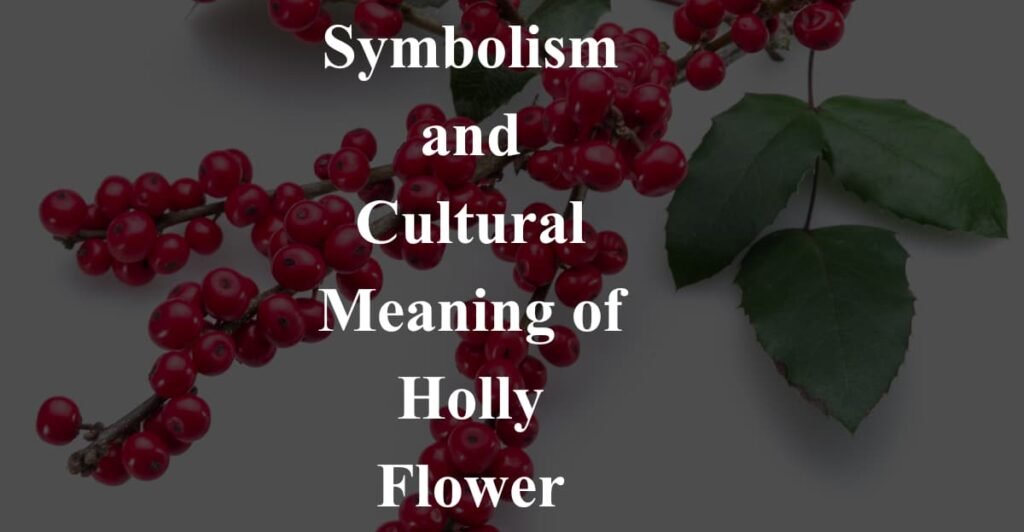
The symbolism and cultural meaning of holly are deeply connected to history, where the plant became a symbol of protection and eternal life because it remains vibrant through winter. Across different cultures, holly has been regarded as a magical plant, while floriography associates the flower with domestic happiness and foresight, creating a rich tradition tied to changing seasons. This simple plant has therefore become an enchanting cultural icon whose enduring presence continues to inspire seasonal traditions.
From my gardening experience, I appreciate how holly combines botanical character with cultural meaning, making it more than a decorative plant in a thoughtfully designed garden.q
Medicinal and Traditional Uses of Holly Plants
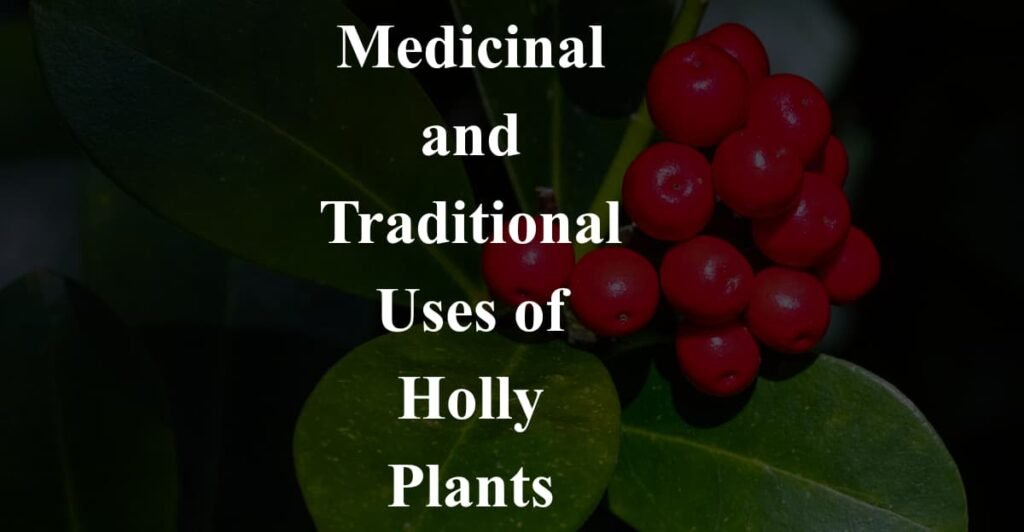
Historically, the holly plant has had several traditional medicine and practical uses, but modern gardeners should exercise caution because some berries and plant parts can be toxic.
Herbal Teas: Some species, particularly Ilex paraguariensis, are used to prepare Yerba Mate, a caffeine-rich tea.
Artisanship: Holly wood is valued for its density and fine grain, making it suitable for high-end inlay work and musical instruments.
Historical Remedies: Various cultures traditionally used boiled leaves for fever reduction, although this is not recommended in modern practice because of toxicity risks.
Ecological Importance of Holly Plants in Nature
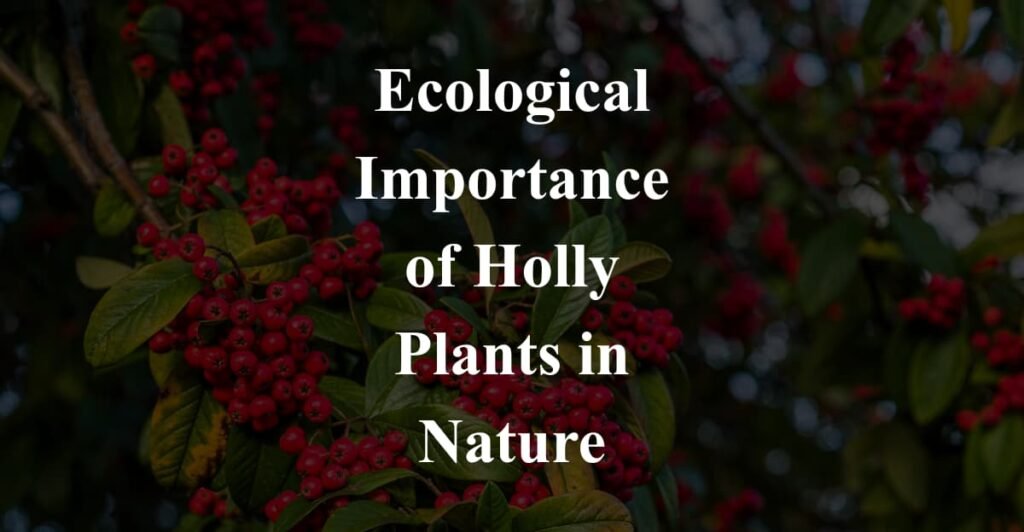
Holly plants are cornerstones of a healthy ecosystem, as their blossoms support bees and butterflies, while dense, prickly, evergreen foliage provides a safe nesting site for birds. In winter, their berries become a critical food source for wildlife, supporting the survival of various species when food is scarce.
From my gardening experience, I have seen how mature holly provides both shelter and seasonal food for wildlife while maintaining strong year-round garden structure.
How to Grow Holly Flower Successfully
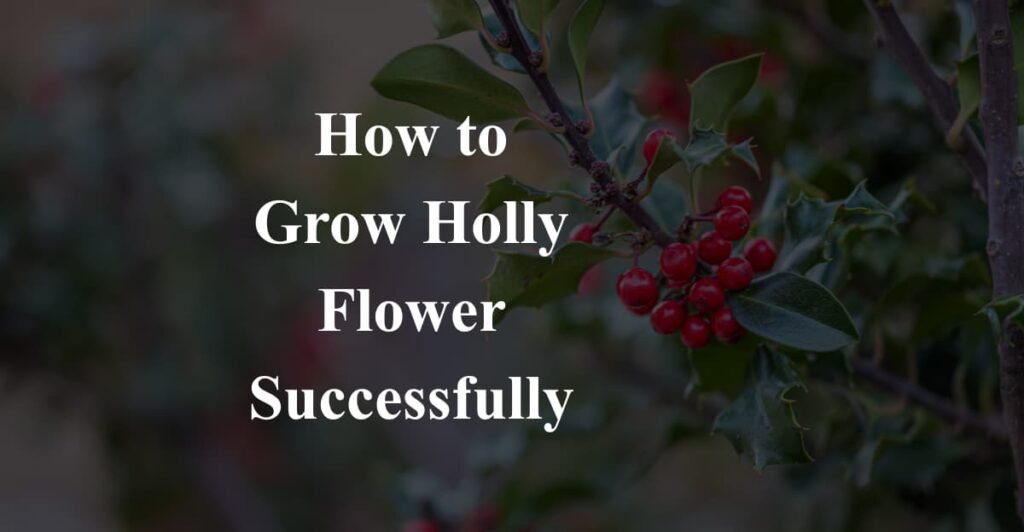
Successful cultivation begins with choosing a site that resembles the plant’s natural habitat, as this resilient plant can thrive when planted in late autumn or early spring. Keeping both male varieties and female varieties nearby is the key secret to producing a garden filled with vibrant plants and berries.
From my gardening experience, selecting the right location and pairing male and female plants makes a noticeable difference in holly growth and berry production.
Ideal Soil Conditions for Holly Plants
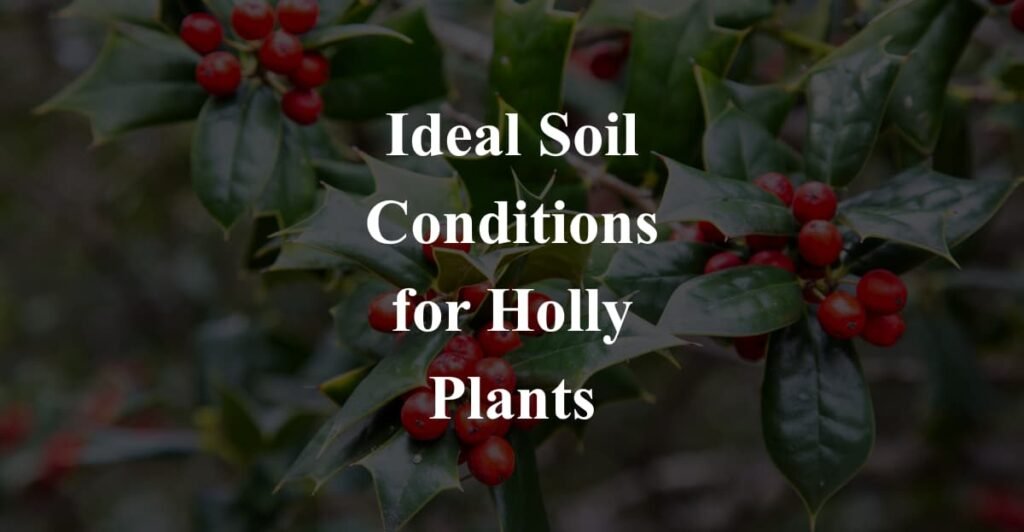
Hollies perform best in slightly acidic soil with a pH between 5.0 and 6.0, supported by well-drained soil that provides consistent moisture without creating wet feet, which can lead to root rot. Amending soil with organic matter, compost, or peat moss can create an ideal growing environment, offering environmental benefits while encouraging healthy root development.
From my gardening experience, improving drainage and adding organic matter before planting has consistently helped holly establish stronger roots and maintain healthier growth.
Sunlight and Water Requirements for Healthy Growth
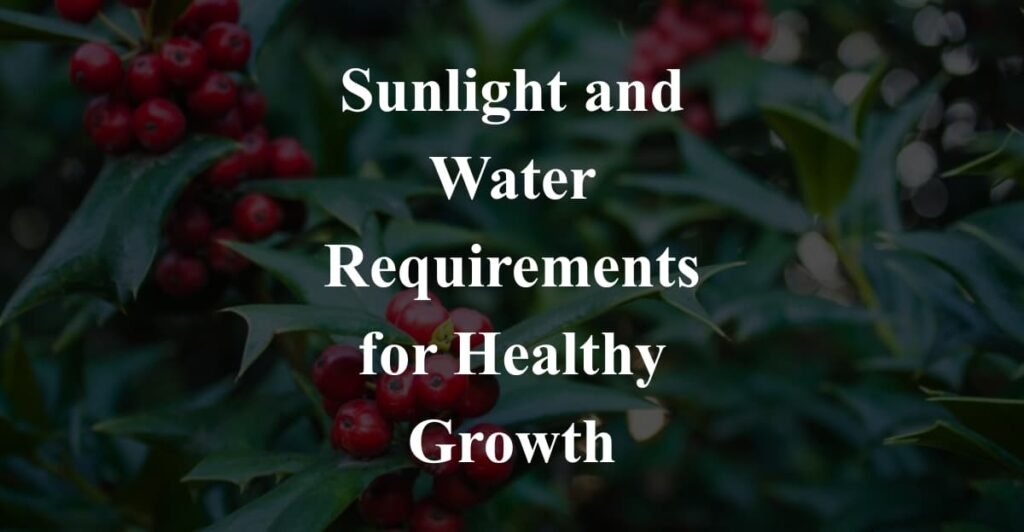
Sun Exposure: Plant holly in full sun to partial shade to enhance leaf color, flower production, and a striking contrast in the landscape.
Direct Sunlight: Around 6 hours of direct sunlight can encourage dense growth and healthier foliage.
Hydration: Young plants need consistent watering while their root systems develop during establishment.
Mature Plants: Once established, mature plants are generally drought-tolerant, although they still benefit from adequate moisture during prolonged dry periods.
Mulching: A layer of mulch around the root zone helps retain moisture and supports more consistent growing conditions.
Step-by-Step Planting Guide for Holly Flower
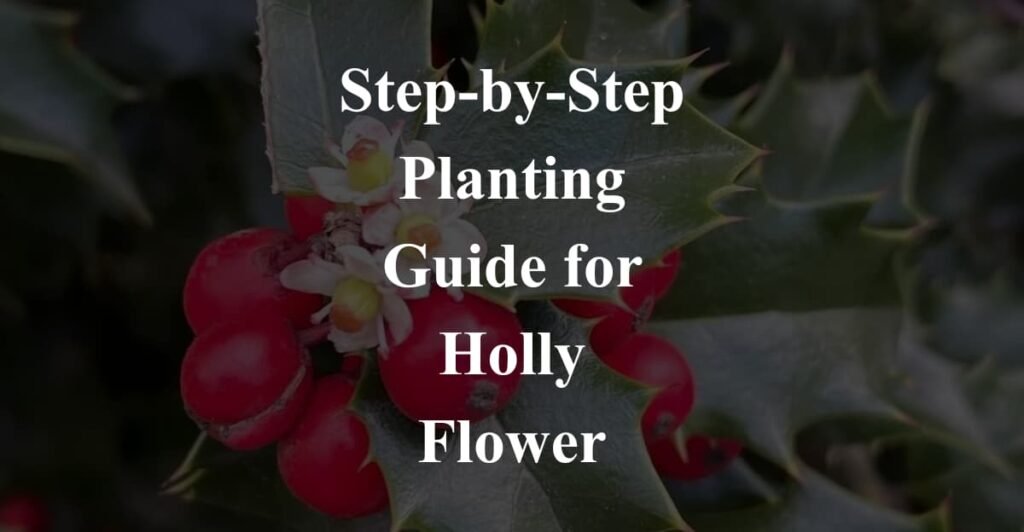
Select a Site: Choose a location with well-drained soil, acidic soil, and adequate sun to support healthy holly growth.
Dig the Hole: Dig the hole twice as wide as the root ball, but avoid making it deeper than the root system.
Positioning: During positioning, place the plant so the top of the root ball remains level with the soil surface.
Backfill: Backfill the planting hole with native soil enriched with organic matter to improve the growing environment.
Water: Water thoroughly and saturate the area immediately to settle the soil and eliminate air pockets.
Mulch: Apply a 3-inch layer of wood chips or bark around the plant, keeping the mulch away from the trunk.
Holly Flower Care and Maintenance Tips
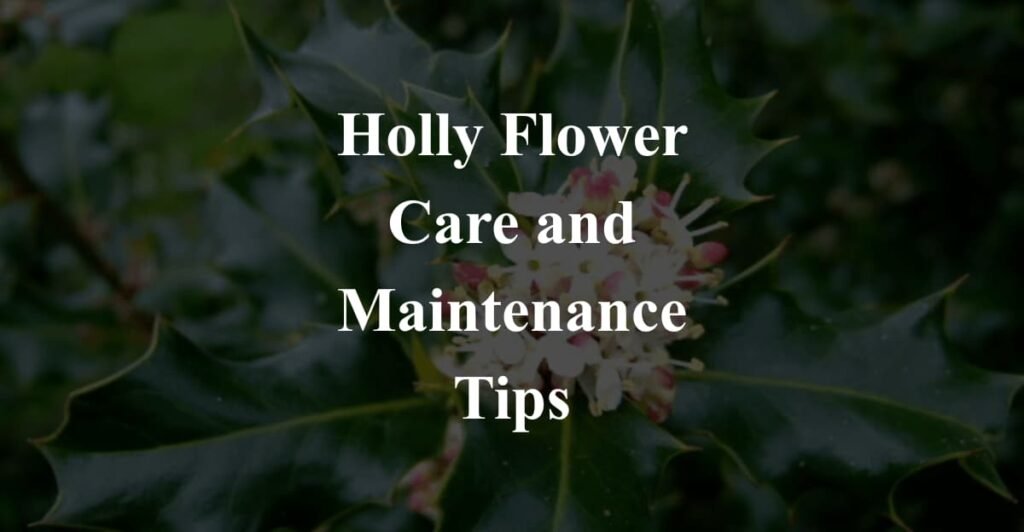
Holly care and maintenance are relatively straightforward, requiring regular monitoring of hydration during dry spells and a yearly application of mulch to keep the evergreen foliage healthy. Removing weeds reduces competition for nutrients, supporting the overall health of the plant and improving the appearance of your outdoor space.
From my gardening experience, consistent moisture checks and keeping the base weed-free are simple steps that make holly easier to maintain and keep its foliage looking strong.
Pruning and Shaping Holly Plants for Better Growth
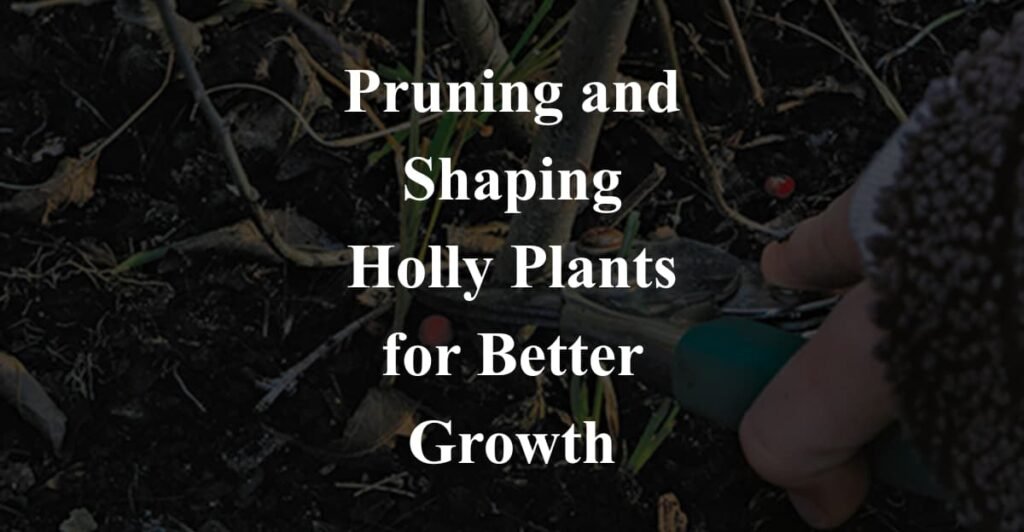
Pruning is best performed in late winter, before new blossoms appear, helping maintain a desirable shape and encouraging denser growth. Using sharp shears to remove dead wood and diseased wood keeps plants healthier, while hedges benefit from regular trimming for a formal look, whereas specimen trees often look better with a natural approach that highlights their unique characteristics.
From my gardening experience, light seasonal pruning gives holly a cleaner structure while allowing specimen plants to retain their natural character.
Fertilization Tips for Strong and Healthy Holly Shrubs
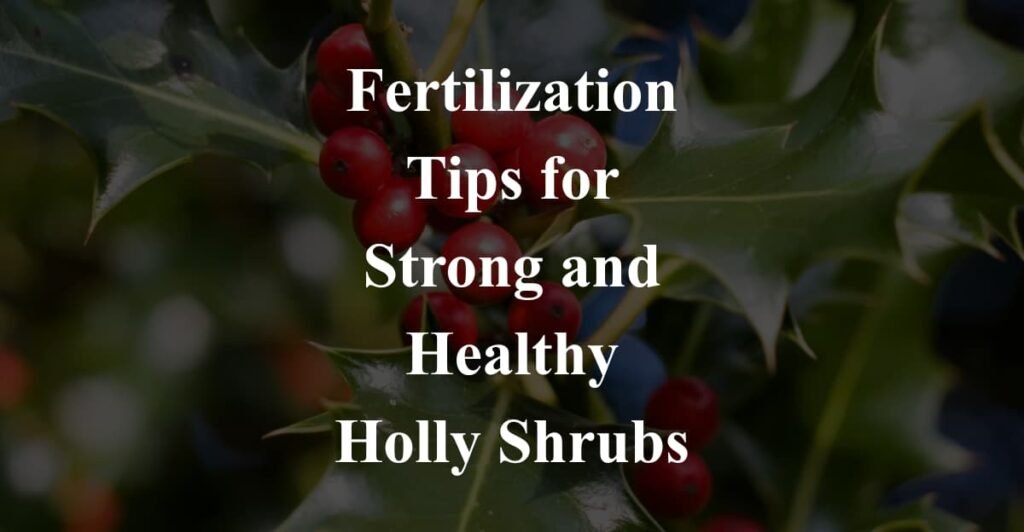
A balanced, slow-release fertilizer formulated for acid-loving plants is ideal for supporting healthy holly growth, with timing generally focused on early spring to strengthen the upcoming growth cycle.
Timing: Apply fertilizer in early spring to support the upcoming growth cycle.
Dosage: Follow the package instructions carefully to avoid nitrogen burn.
Caution: Avoid late-summer fertilization, as it may encourage tender new growth that is more vulnerable to frost damage.
Common Diseases and Pest Problems in Holly Plants
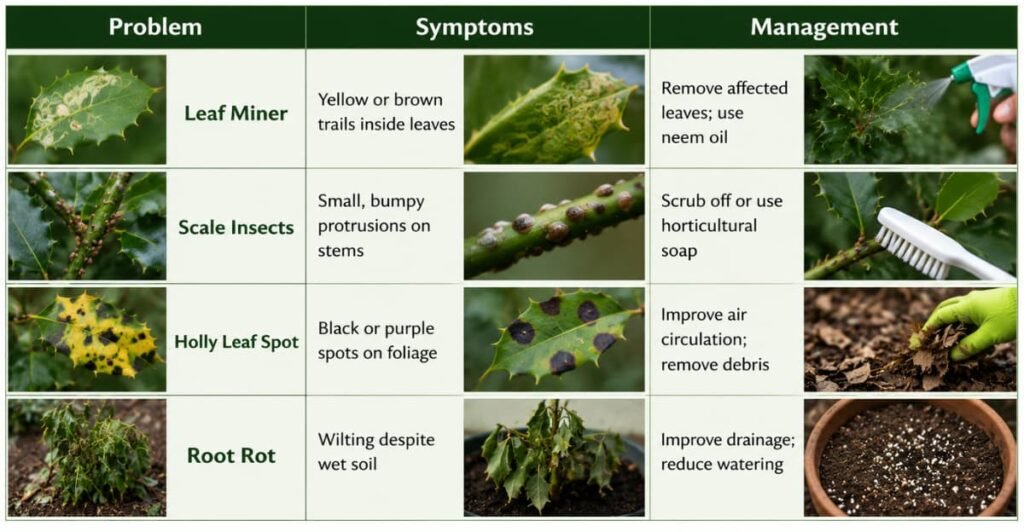
Despite being resilient, hollies can face various challenges, so regular inspection of glossy green leaves helps identify issues such as leaf miner damage with yellow trails or brown trails in leaves, scale insects with small protrusions or bumpy protrusions on stems, holly leaf spot causing black spots or purple spots on foliage, and root rot marked by wilting in wet soil, with management including remove affected leaves, neem oil, scrub off, horticultural soap, improved air circulation, removal of debris, better drainage, and reduced watering.
Prevention Methods for Healthy Holly Growth

The best prevention methods for healthy holly growth begin with the best defense of proper spacing between plants, allowing better air circulation and reducing fungal growth. Organic oils and soaps can help manage pest populations while protecting pollinators that visit the holly flower, while healthy plants grown in the right soil remain more resilient to environmental stress.
From my gardening experience, good spacing and clean growing conditions are among the simplest ways to keep holly vigorous while reducing common pest and disease pressures.
Uses of Holly Flower in Landscaping and Decoration
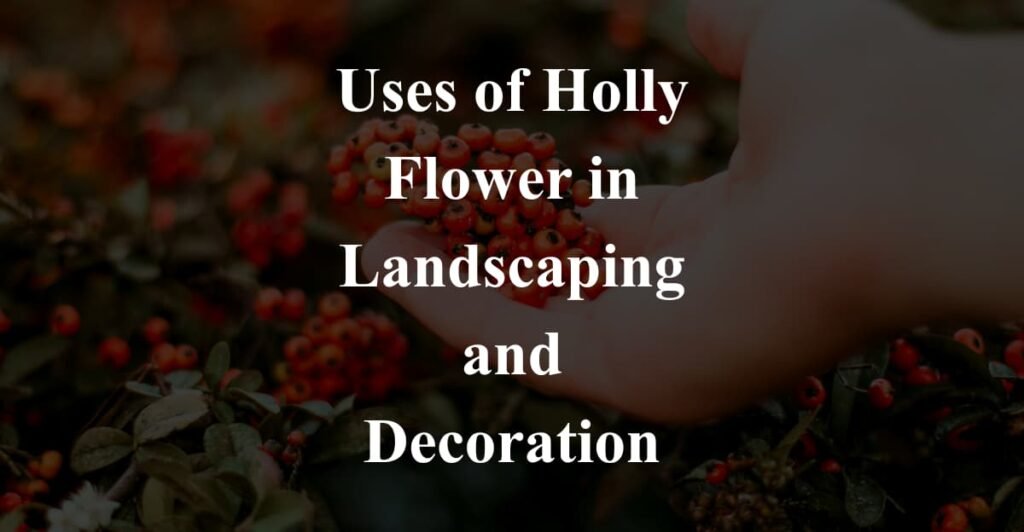
Holly plants are versatile utility players in landscape design, working well as privacy screens, foundation plantings, and ornamental specimens that provide structure and color in almost any setting. In winter, branches can be harvested for festive decorations, bringing natural beauty into the home, while holly also adds seasonal charm to a garden or wreath and remains a timeless favorite for decorative planting.
From my gardening experience, I especially value holly for its ability to provide structure year-round while its winter branches add an attractive, natural touch to seasonal displays.
Conclusion
The holly flower combines delicate blossoms, evergreen beauty, vibrant berries, ecological value, and rich cultural meaning, making it a versatile choice for gardens and landscapes. With the right soil, sunlight, watering, pruning, fertilization, and pest prevention, holly plants can remain healthy while providing year-round structure and seasonal color. Whether used as an ornamental specimen, privacy screen, foundation planting, or festive decoration, holly remains a timeless favorite for adding natural beauty and character to outdoor spaces.
Frequently Asked Questions
What is a holly flower?
A holly flower is a small, inconspicuous blossom of the Ilex genus, typically appearing in creamy white or pale green shades before berries develop.
When does the holly flower bloom?
Holly flowers typically appear in late spring or early summer, often developing within the leaf axils during the peak pollinator season.
Do holly plants need male and female plants?
Yes. Most holly species are dioecious, meaning separate male and female plants are needed for successful pollination and bright red berry production.
What type of soil is best for holly plants?
Hollies prefer slightly acidic, well-drained soil with a pH of about 5.0 to 6.0. Organic matter, compost, or peat moss can help support healthy root development.
Please Write Your Comments