Cherokee Flower (Cherokee Rose): Meaning, History, and Beautiful Facts About Georgia’s Iconic Blossom
Updated: September 5, 2026
25
The Cherokee Flower (Cherokee Rose) is more than a beautiful blossom; it is a powerful symbol of resilience, history, cultural heritage, and natural beauty deeply connected with Georgia. From its delicate white petals and striking golden center to its fascinating botanical story, this iconic flower offers plenty of beautiful facts to discover. Keep reading to explore its meaning, history, symbolism, growing habits, and the unique qualities that make the Cherokee Rose so special.
Table of Contents
What Is the Cherokee Flower (Cherokee Rose)?
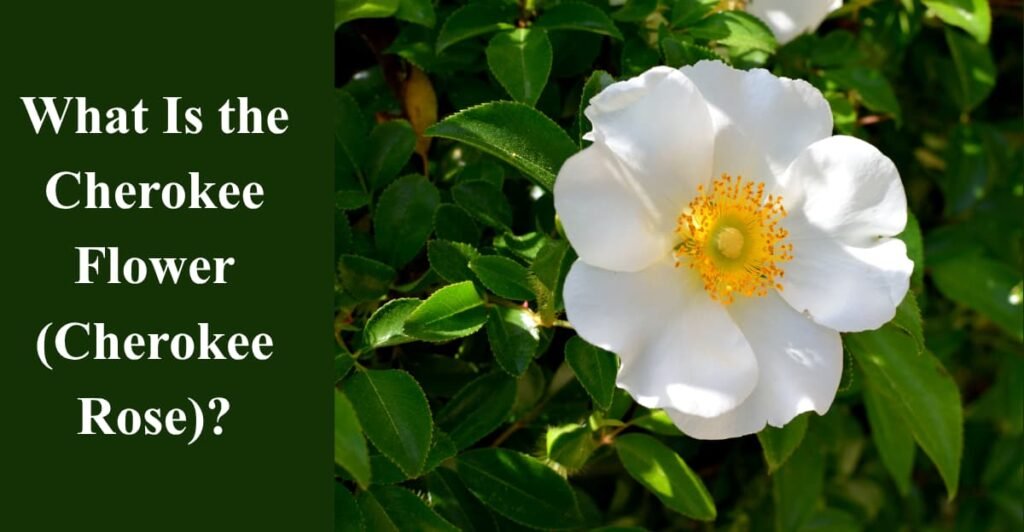
The Cherokee flower, or Cherokee Rose, is a climbing shrub scientifically classified as Rosa laevigata, a naturalized species from Southern China and Taiwan that now grows wild across the American South. This evergreen perennial is known for lush green foliage, delicate petals, hooked thorns, and a vigorous climbing habit across fences, trees, and embankments.
In horticulture, its rugged beauty, wild nature, and biological adaptation distinguish it from hybrid tea roses, while its botanical classification, plant adaptation, and presence across diverse ecosystems make it an interesting ornamental plant for the American landscape. Its biodiversity, habitat, perennial growth, thorny stems, and wild growth further highlight its distinctive character.
From my experience with Cherokee Rose and horticulture, its combination of vigorous growth, evergreen foliage, and rugged beauty makes it particularly memorable in a naturalized garden setting.
Historical Background of the Cherokee Rose
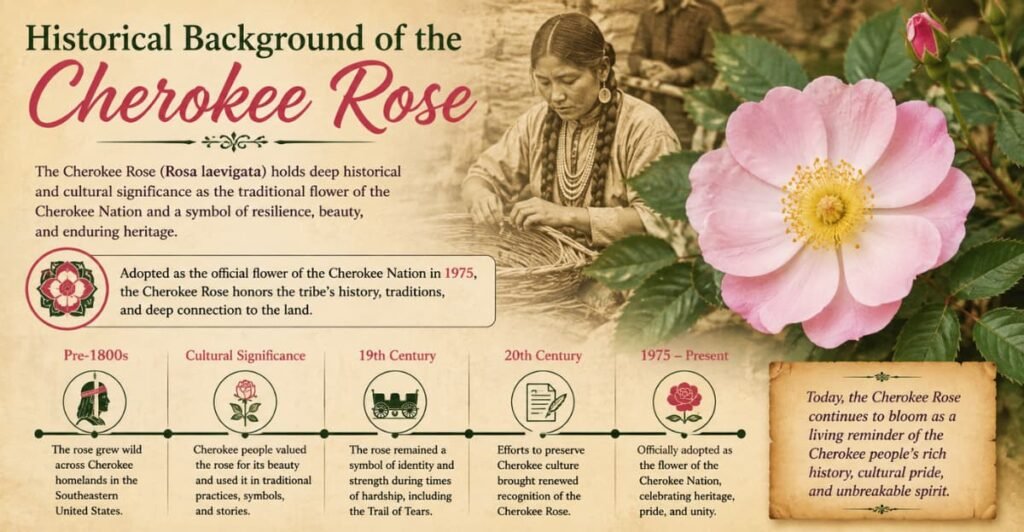
The Cherokee Rose carries a remarkable history shaped by indigenous people, North America, trade routes, and the United States, becoming part of the region’s cultural tapestry after its introduction in the late 18th century. Its journey reflects botanical migration, plant migration, species introduction, and a broader human narrative, transforming a non-native species into a meaningful part of local identity, while 1916 marked its recognition as the state flower of Georgia, strengthening its role in Georgia state flower traditions, local symbolism, and cultural significance.
The Trail of Tears in 1838 remains central to its historical context, connecting the Cherokee people, Cherokee Nation, Cherokee ancestry, ancestral lands, ancestral homeland, and the story of forced removal with a powerful legend of tears becoming white roses. Today, the white blossom can be viewed as a living memorial, living symbol, and ornamental shrub representing resilience, survival, perseverance, endurance, and the enduring spirit of a nation, while its historical legacy, American history, Cherokee history, indigenous heritage, ancestral heritage, cultural identity, historical symbolism, plant symbolism, botanical history, plant history, botanical narrative, human history, heritage, tradition, memorial, remembrance, and historical remembrance continue to give this rose lasting meaning.
Botanical Features of the Cherokee Flower
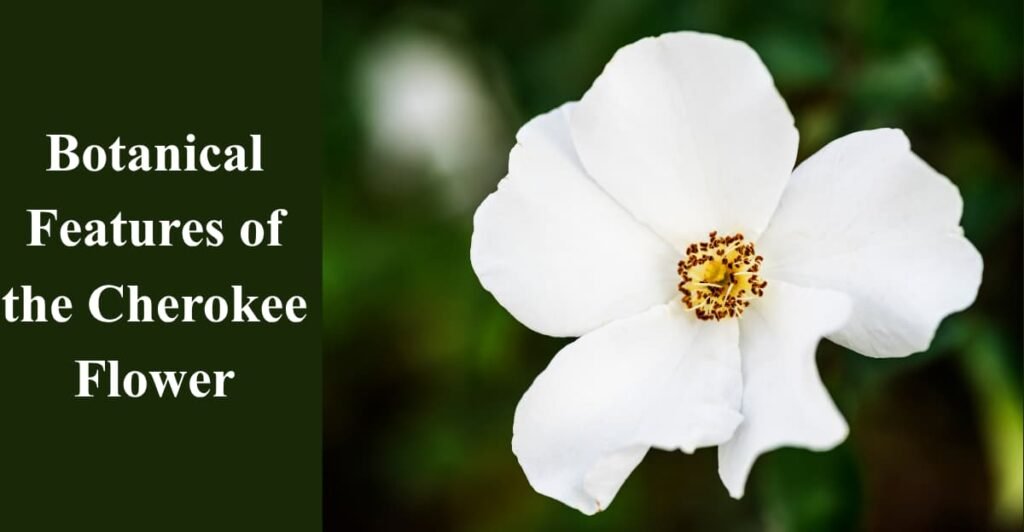
The Cherokee Rose, scientifically known as Rosa laevigata, belongs to the Rosaceae family and is valued for its hardiness, disease resistance, and natural resilience. Its macrophyllous foliage has three leaflets with smooth, waxy surfaces and deep green color. This evolutionary adaptation improves moisture retention and makes the plant drought-tolerant.
Its rambling growth habit produces long, arching canes that can reach 20 feet when unpruned. As an evergreen perennial and climbing shrub, it combines vigorous growth with strong plant hardiness, making it a distinctive ornamental shrub.
In my experience observing Rosa laevigata, its vigorous canes, evergreen foliage, and drought-tolerant nature are among its most impressive botanical traits.
Appearance and Structure of the Plant
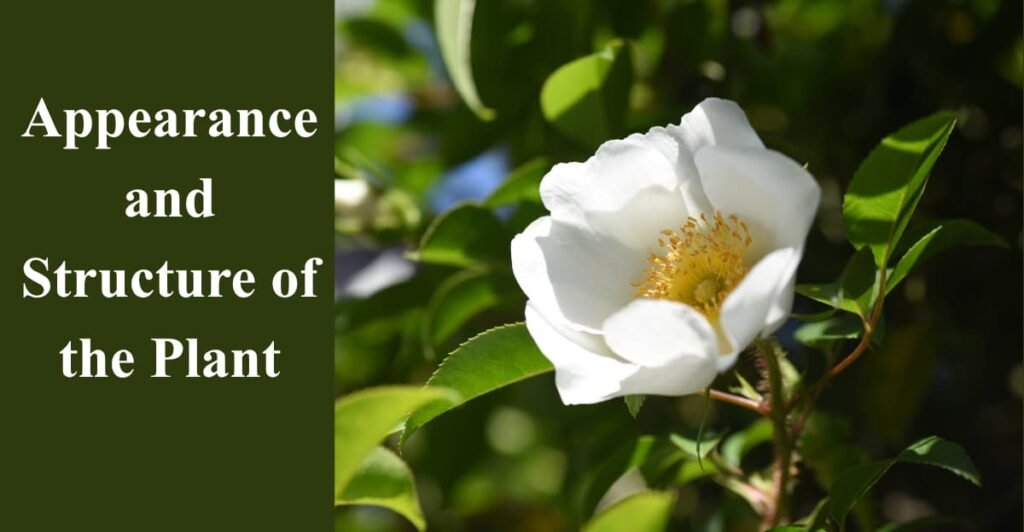
The Cherokee flower is admired for its simplicity, elegance, and natural visual appeal. Unlike commercial roses with a multi-layered and ruffled form, it has a single row of petals that creates a simple, single-petaled flower. Each bloom is about 2.5 to 3.5 inches wide with snowy white petals and golden-yellow stamens that create a striking color contrast.
The golden-yellow center improves pollinator accessibility and provides easy nectar access for bees and butterflies during the late spring blooming season. After the flowering period, the plant develops bristly rose hips containing Vitamin C that become an important autumn food source for local wildlife and support biodiversity.
In my experience, the Cherokee Rose is especially impressive when its white blossom and golden center are viewed together in a flowering garden.
Ideal Growing Conditions for Cherokee Rose
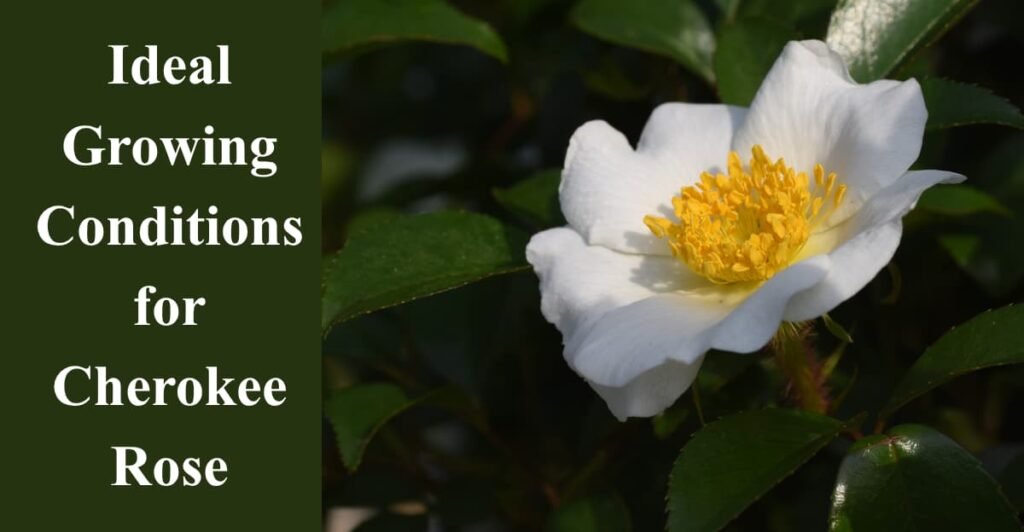
The Cherokee Rose is a low-maintenance plant that performs best when its basic environmental parameters are met. It has strong ornamental potential and adapts well to warm climates, making it a useful choice for a Southern United States garden. Proper sunlight, soil, space, and support encourage healthy flower production, strong plant establishment, and attractive ornamental growth.
Light: Provide full sun for the best bloom production. Partial shade is tolerated, but limited light can cause leggy growth and fewer blooms.
Soil: Use well-drained soil with a slightly acidic to neutral range. Good soil drainage supports healthy roots and overall plant health.
Climate: It grows well in USDA Hardiness Zones 7 through 9 and tolerates heat and humidity. Prolonged sub-zero temperatures can cause cold stress, cold damage, and plant damage.
Space and Support: Its aggressive growth habit requires plenty of room to spread. A sturdy trellis or chain-link fence supports its rambling growth, climbing habit, and vertical growth.
Garden Use: With suitable growing conditions, this climbing plant works well in landscaping, fence planting, garden space, and outdoor garden designs.
In my experience, full sun, well-draining soil, and enough space for its vigorous growth are the three essentials for a healthy Cherokee Rose.
Symbolism and Cultural Meaning of Cherokee Flower
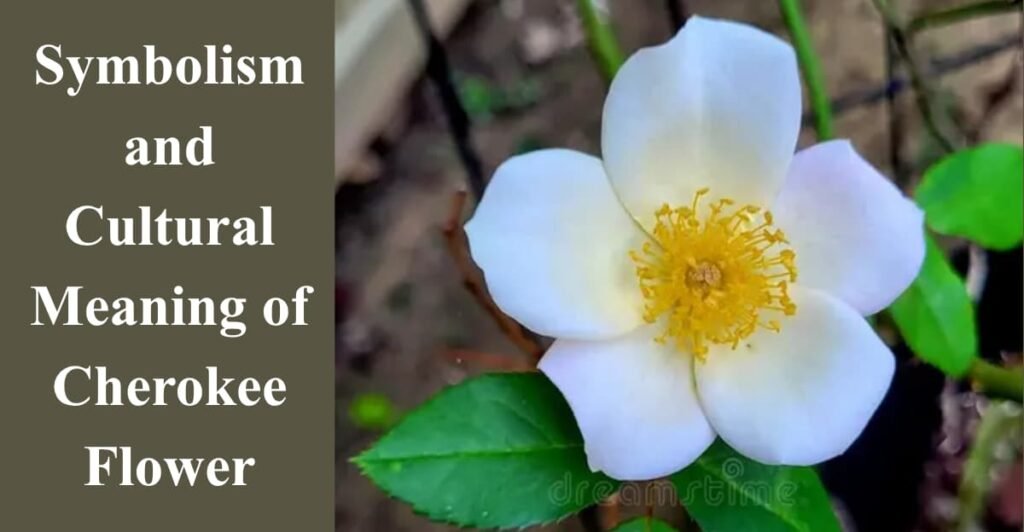
The Cherokee Rose has a multi-layered cultural meaning, with white petals traditionally associated with purity, innocence, and strength. In its flower symbolism, the white rose and golden center are linked in legend to the tears of Cherokee women and gold taken from Cherokee lands, giving the species a powerful connection to Cherokee history, ancestral memory, and cultural identity.
In the language of flowers, the rose represents remembrance and is often used in memorial gardens, remembrance gardens, and near historical landmarks and historical sites. Its evergreen nature and perennial nature further suggest eternal life, continuity, and the persistence of memory across generations, while its symbolism can encourage peace, reflection, and respectful remembrance.
In my experience, the Cherokee Rose becomes especially meaningful when its beauty is viewed alongside its cultural heritage and connection to ancestral memory.
Where the Cherokee Flower Is Found
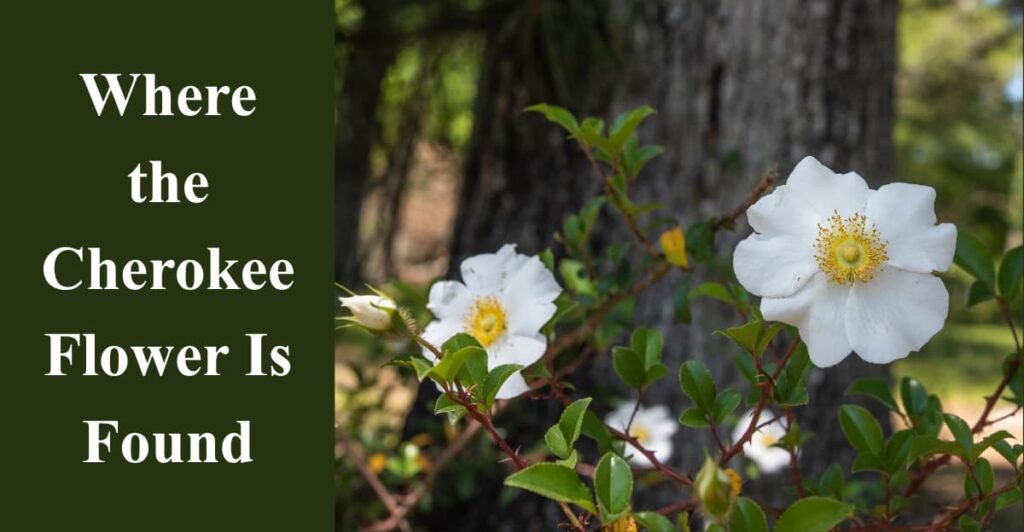
The Cherokee flower, or Cherokee Rose, grows wild across the Southeastern United States, including Texas and the Carolinas, where its dense hedges, white flowers, and snowy blooms appear along roadsides during spring. As a naturalized plant, it has an expanded geographic range and can be found in roadside vegetation, flowering hedges, and other forms of wild habitat.
Its original range includes China and Vietnam, particularly mountainous scrub, scrubland, and open ravines. Its biological adaptability, plant adaptation, and ecological adaptability have helped it survive in a new environment, supporting its plant colonization, geographic expansion, and broad species distribution across different habitats.
In my experience, the Cherokee Rose is especially impressive when its spring blooms form dense growth along natural or roadside landscapes.
Uses of the Cherokee Rose in Gardening
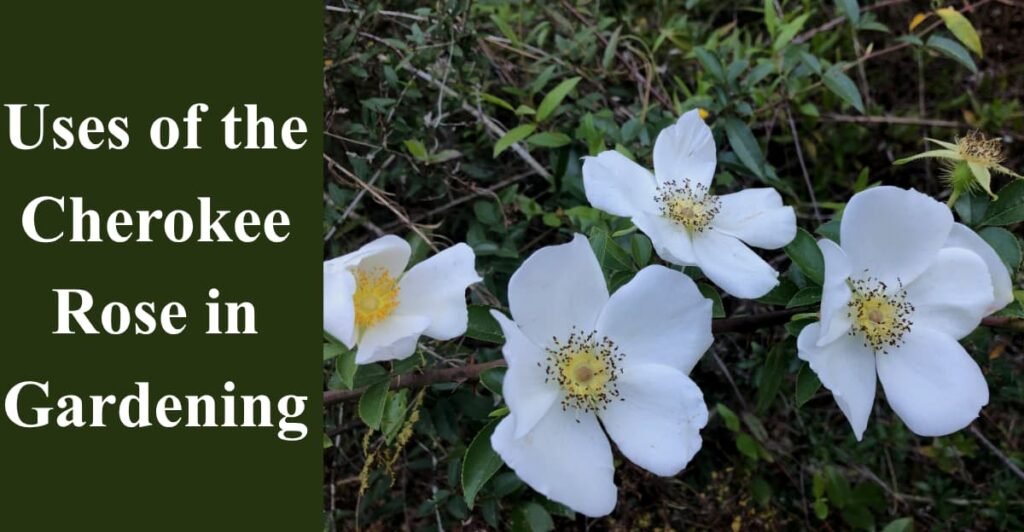
The Cherokee Rose offers several practical benefits for a home gardener or landscaping professional. Its sharp thorns, curved thorns, and dense growth make it useful as a security hedge, living barrier, natural barrier, or protective hedge. At the same time, its deep root system, spreading root system, and strong root network support erosion control, soil stabilization, and soil retention on slopes and embankments.
Natural Security: A mature thorny hedge can discourage intruders and large animals, making it suitable for privacy hedge and security planting.
Erosion Control: Its deep roots and spreading roots help with erosion prevention, soil protection, root stabilization, slope stabilization, and embankment stabilization.
Wildlife Habitat: In wildlife-friendly gardens, it works as a sanctuary plant. Its dense interior and thorny interior create a safe nesting site for songbirds while offering predator protection from hawks and feral cats.
Garden Design: This climbing shrub and flowering shrub adds value to ornamental gardening, garden design, habitat planting, and wildlife-friendly landscaping while supporting garden biodiversity, bird habitat, nesting habitat, and natural habitat.
Ecological Value: Its dense vegetation, thorny vegetation, wildlife shelter, and bird shelter contribute to the garden’s ecological function and overall landscape utility.
In my experience, Rosa laevigata works best when its protective growth is given enough room while its wildlife and erosion-control benefits are incorporated into thoughtful landscape management.
Interesting Facts About Cherokee Flower
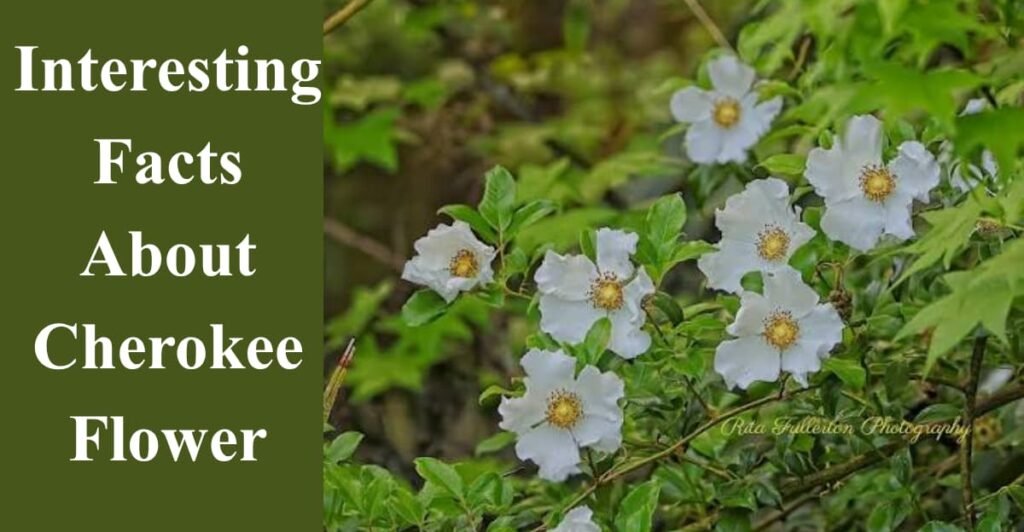
The Cherokee Rose has a fascinating place in Georgia heritage and botanical history. It has served as Georgia’s official floral emblem and state flower for over a century, making it an important cultural icon, floral symbol, botanical emblem, and official symbol. Its strong fragrance is another memorable feature, with a sweet fragrance, clove-like fragrance, and distinctive clove aroma that set it apart from many modern roses affected by plant breeding.
Traditional Medicine: In Traditional Chinese Medicine (TCM) and Chinese medicine, the Jing Ying Zi fruit has been associated with traditional remedies for chronic coughs and digestive issues.
Fast Growth: A healthy Rosa laevigata can produce rapid growth of several feet in a single season, making it a vigorous climbing plant and rapidly growing vine.
Rose Family: This flowering plant belongs to the rose family and is valued as a climbing rose, rose vine, ornamental vine, and rose species.
Botanical Interest: Its plant growth, seasonal growth, growth rate, plant development, fragrant flower, and natural fragrance make it an interesting subject for rose cultivation and garden observation.
In my experience, its combination of cultural importance, fragrant flowers, and vigorous growth makes the Cherokee Rose one of the more memorable roses to grow and study.
How to Grow Cherokee Rose at Home
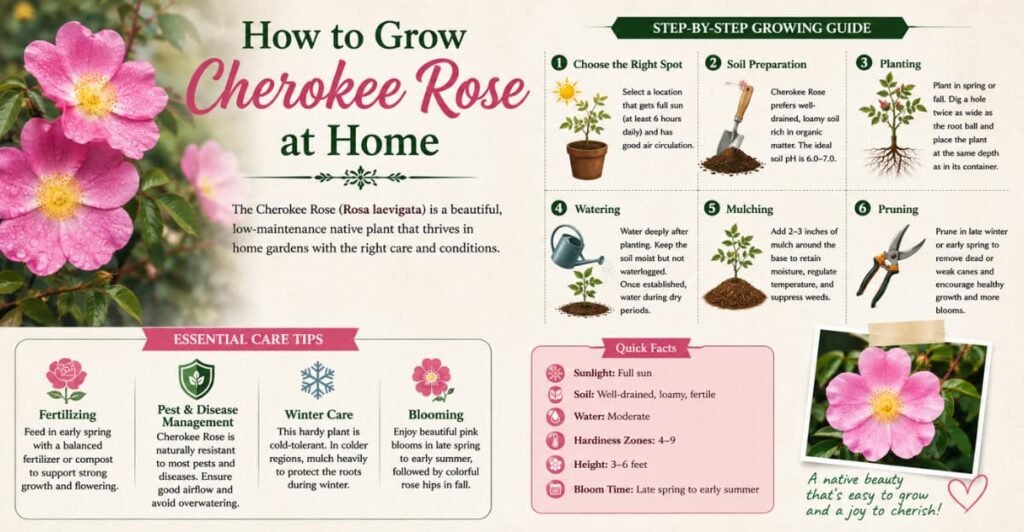
Growing Cherokee Rose at home is rewarding when you provide enough space, proper plant care, and reliable support. Start with a healthy young plant from a reputable nursery that specializes in heritage roses. Choose a suitable planting hole, improve the soil with organic matter and compost, and give the root system a strong foundation for healthy plant establishment.
Planting: Dig a hole twice as wide as the root ball and use organic compost to improve soil preparation, soil nutrients, and nutrient-rich soil.
Support: Install a sturdy trellis or other structural support early. A climbing shrub with vigorous growth can quickly become too heavy for plastic trellises.
Pruning: Follow a sensible pruning schedule and remove dead wood or dead branches. Avoid heavy pruning in early spring because flowers develop on previous-year growth.
Mulching: Apply wood chips or straw around the base as mulching material. This improves moisture retention, protects the roots, and helps with root cooling during intense summer heat.
Seasonal care: Regular garden maintenance, growth management, and summer care help maintain healthy flowering and keep the plant within its designated boundaries.
In my experience, a sturdy trellis, careful pruning, and consistent moisture management make growing Rosa laevigata much easier, especially as the plant matures.
Conclusion
The Cherokee Flower (Cherokee Rose) is a remarkable blend of natural beauty, resilience, history, and cultural heritage. From its iconic white blooms and golden center to its wildlife value and Georgia connection, this ornamental shrub remains a fascinating garden favorite. Explore the Cherokee Rose’s meaning, growing needs, symbolism, and beautiful facts to appreciate this Georgia state flower even more.
Frequently Asked Questions
What is the Cherokee Flower?
The Cherokee Flower, commonly called the Cherokee Rose, is a climbing shrub scientifically known as Rosa laevigata. It is a naturalized species recognized for its evergreen foliage and white flowers.
Why is the Cherokee Rose important to Georgia?
The Cherokee Rose has been Georgia’s official floral emblem and state flower for over a century, making it an important part of the state’s cultural identity and heritage.
What does the Cherokee Rose symbolize?
The Cherokee Rose is associated with purity, innocence, strength, remembrance, resilience, and cultural heritage. Its symbolism is also connected with Cherokee history and ancestral memory.
What color are Cherokee Rose flowers?
Cherokee Rose flowers have snowy white petals with a distinctive golden-yellow center. The blooms are generally about 2.5 to 3.5 inches wide.
Please Write Your Comments