Gardening in February: A Complete Seasonal Guide to Early Bloom Success
Updated: September 5, 2026
27
Gardening in February is the ideal way to prepare your outdoor space for a healthy and colorful early spring garden while winter gradually fades. From soil preparation and seed starting to pruning, planting, and protecting tender roots, these essential February gardening tasks create the foundation for stronger plants and beautiful blooms. Start your February garden preparation today and turn the final weeks of winter into a productive step toward a thriving spring landscape.
Table of Contents
Understanding February Garden Climate
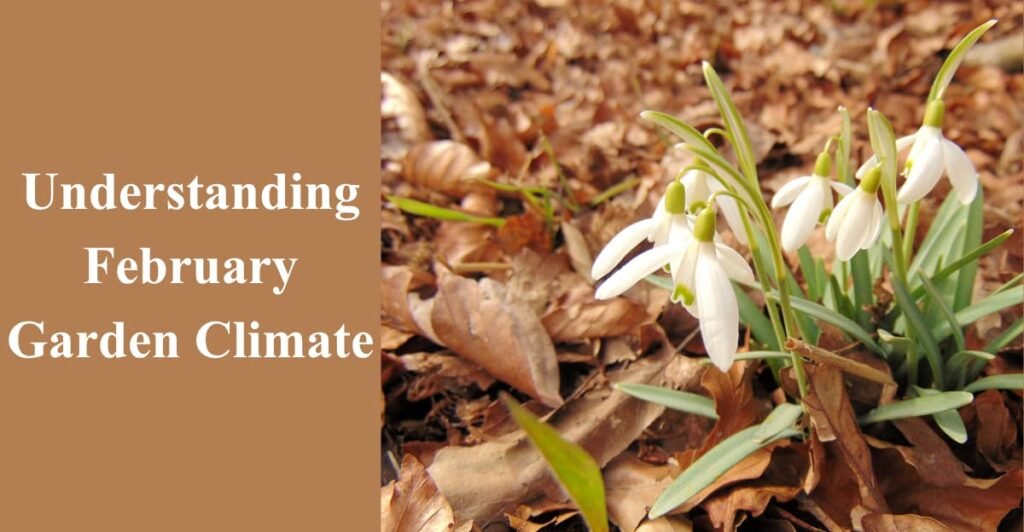
Gardening in February requires understanding the transitional nature of late winter, especially with volatile weather patterns in 2026. Monitor your local hardiness zone and frost dates with precision, while the photoperiod and daily light steadily increase, triggering a biological wake-up call for dormant species. Recognizing the difference between ambient temperature and soil temperature is vital because chilly air can hide a deep ground chill.
A sudden sunny day may warm the air, but the earth can retain enough deep chill to cause root rot when seeds are sown too early. Experienced gardeners use a soil thermometer to confirm the soil has reached around 7°C (45°F) before attempting to work it, while observing microclimates in the outdoor space, such as the warmth near a south-facing wall, helps safely push the boundaries of the season.
I have found that checking soil temperature and local frost conditions before planting gives February garden work a much more reliable start.
Preparing Your Garden Beds
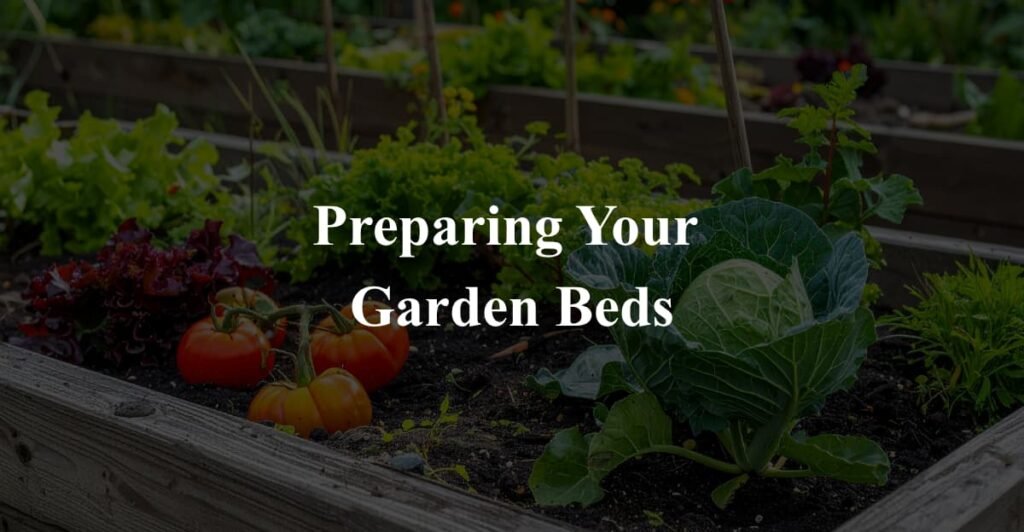
Before green shoots of perennials appear, early February is the right time to focus on the structural integrity of your garden beds. Begin with garden sanitation by clearing winter debris, fallen leaves, and deadhead flowers that may shelter pathogens and pests. If the soil is not frozen or waterlogged, use no-dig preparation and add organic matter, well-rotted manure, or mulch to protect the rhizosphere from late-season frost while supplying essential nutrients.
For heavy clay, adding grit or leaf mold can improve soil structure and drainage before heavy spring rains arrive. Avoid working on wet garden soil, because foot pressure causes compaction, removing the air pockets that roots need to breathe. These simple garden preparation steps help establish stronger soil health before active spring growth begins.
I have found that keeping February soil undisturbed when it is wet, while adding organic materials at the right time, makes spring bed preparation noticeably easier.
Best Vegetables to Plant in February
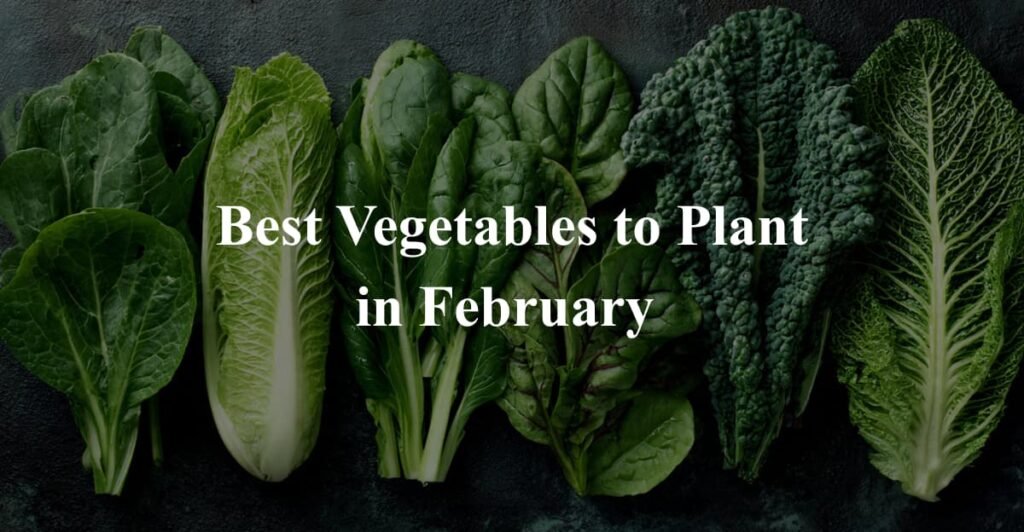
For beginners, the vegetable garden does not need to wait until May. Seasoned pros know that February is a prime time for hardy crops, especially when the workable soil is ready for planting. Bare-root varieties and brassicas perform well in cooler temperatures, often producing a sweeter flavor in leaf crops.
Broad Beans: These resilient crops can be sown directly into the ground and are well suited to early-season conditions.
Garlic and Shallots: If you missed the autumn window, early February may be your last chance to plant them for a summer harvest.
Early Peas: Protect Early Peas with a cloche or cold frame to shield young plants from harshest winds.
Spinach and Kale: These leafy greens can tolerate a light frost and provide an early spring superfood harvest.
Flowers That Thrive in February
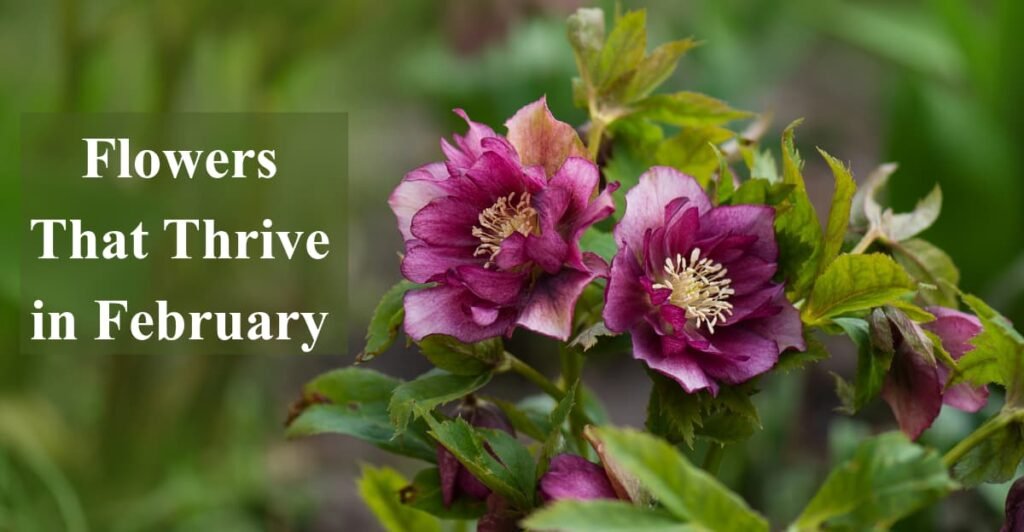
February does not have to remain gray or colorless, as winter-interest plants can bring seasonal charm while providing essential nectar for early pollinators during a warm spell. Thoughtful landscaping with these plants helps the garden support the local ecosystem year-round, creating winter interest even when temperatures remain low.
Galanthus (Snowdrop): This iconic February bloom can push through literal snow, producing delicate white bells that brighten the landscape.
Helleborus (Lenten Rose): This tough perennial offers beautiful shades of deep purple, pink, and cream, adding reliable color during late winter.
Winter Honeysuckle: A valuable choice for scent, producing intoxicating fragrances that can add character to the backyard.
Sarcococca (Sweet Box): Its fragrant blooms create a pleasant winter atmosphere, especially when planting near a walkway lets you enjoy its botanical beauty on cold days.
Starting Seeds Indoors
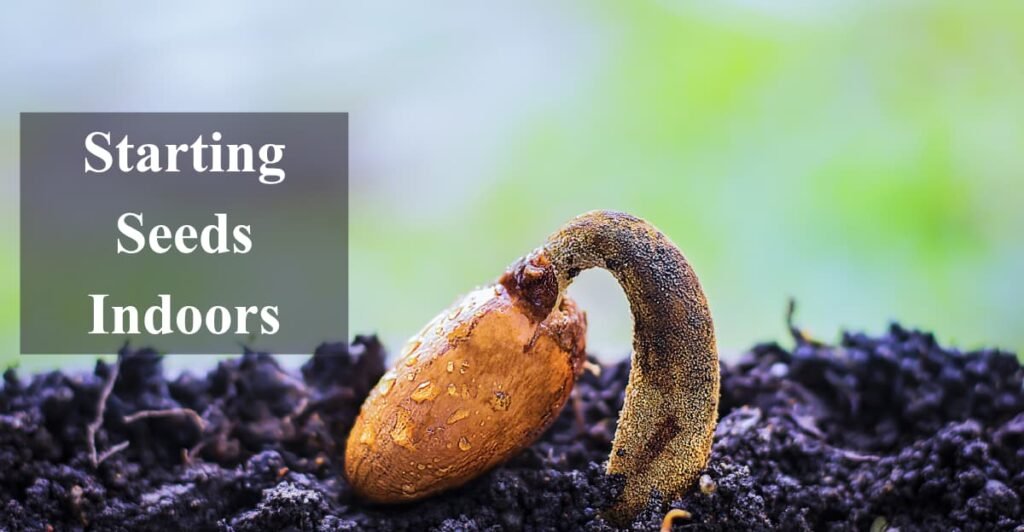
Gardening in February can turn into a productive indoor activity, making this month ideal to set up a propagation station. Use seedling heat mats and LED grow lights to simulate a perfect spring environment for heat-loving plants, giving peppers, chillies, and eggplants enough lead time to reach maturity. This approach makes starting seeds especially useful for species that need a longer growing period.
When sowing seeds, choose a sterile seed-starting mix instead of garden soil to reduce damping off, a fungal disease that can damage young seedlings. Grow them in containers with excellent drainage, then pot on into larger vessels when needed to prevent plants becoming root-bound; a controlled environment also helps manage humidity and light intensity, producing robust plants ready for transplanting season.
I have found that balanced warmth, consistent light, and good drainage produce noticeably stronger seedlings for spring transplanting.
Pest and Disease Control in Early Season
Prevention is the cornerstone of Integrated Pest Management (IPM) in February, when many pests remain in egg stages or larval stages, often hidden in cracks in bark or beneath stones. Applying dormant oils to fruit trees can suffocate overwintering aphids and mites before an infestation develops, giving plants an important early-season advantage.
Inspect the greenhouse and cold frames for slugs and snails as temperatures rise above freezing, and begin removing them before a population explosion occurs in spring. Maintain adequate ventilation in indoor growing spaces to reduce botrytis, or gray mold, which favors the damp, stagnant air common during late winter.
I have found that early inspections and good ventilation prevent minor pest and moisture problems from becoming major spring garden setbacks.
Gardening Tools Preparation and Care
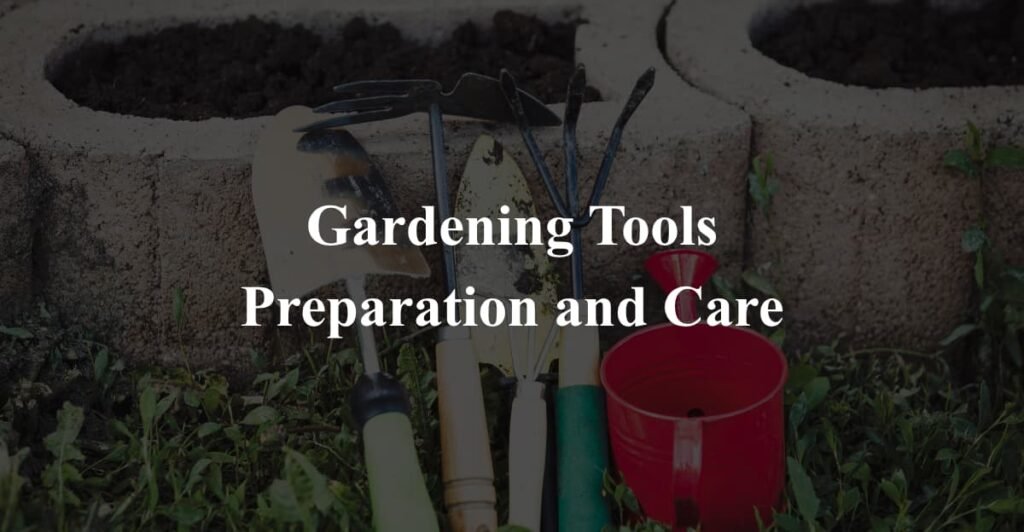
Your hand tools are an extension of your skills, so February is the perfect time for a garden “spa day.” Dull tools and rusty tools can strain your body and damage plants by leaving jagged cuts that are slow to heal. Take time to disassemble your secateurs and shears, then use a sharpening stone to bring the blades to a fine edge.
Remove rust with a wire brush or steel wool, then wipe the metal parts with a light coat of oil to prevent future oxidation. Give shovels and spades equal attention by cleaning their blades and treating their wooden handles with linseed oil; proper maintenance can extend their life for decades and ensure you are ready to work efficiently when the busy spring rush begins.
I have found that sharpening and oiling my tools in February makes spring work smoother, faster, and much easier on the hands.
Planning Your Spring Garden Layout

Gardening in February is both mental work and physical preparation, making it a successful time to finalize your planting calendar and garden map. Review your notes from the previous year and practice crop rotation to reduce soil-borne diseases while maintaining nutrient balance. Before planting, consider the height and spread of the plants you have ordered so every space has room to develop.
Use succession planting to keep the garden productive as one crop finishes and another takes its place, such as early radishes followed by summer carrots. Digital tools and a garden journal make it easier to track variety choices and refine your layout, helping you become a more sustainable and organized gardener throughout the growing season.
I have found that mapping plant height, spacing, and succession crops before spring saves considerable time and prevents overcrowded beds.
Composting and Soil Enrichment Tips

Compost is the black gold of the garden, so it should be managed carefully this month. If the compost pile has remained dormant through winter, turn it on a milder day to introduce oxygen, which jumpstarts the aerobic decomposition process. When compost is not yet ready, trench composting is useful in areas where you plan to plant heavy feeders such as tomatoes and squash later in the year.
To use this method, dig a trench, add kitchen scraps while avoiding meat and dairy, then cover everything with soil. As the weather warms, earthworms naturally process the organic material and release nutrients into the rhizosphere, creating an organic, nutrient-rich environment that supports a healthy future harvest.
I have found that turning compost during mild winter days and using trench composting gives spring beds a noticeable boost in soil richness.
Conclusion
Gardening in February provides the perfect opportunity to prepare your soil, protect emerging growth, start seeds, maintain tools, and plan a productive early spring garden. By combining smart February gardening tasks with proper planting, pruning, pest control, composting, and soil enrichment, you can encourage healthier plants and more beautiful blooms. Start preparing now to build a stronger, more sustainable garden that is ready to flourish as spring arrives.
Frequently Asked Questions
What should I do in my garden in February?
Focus on soil preparation, clearing garden beds, pruning dormant plants, starting seeds indoors, checking for pests, maintaining tools, and planning your spring garden layout.
What vegetables can I plant in February?
Depending on your climate, hardy vegetables such as broad beans, garlic, shallots, early peas, spinach, and kale can be suitable February planting choices.
What flowers bloom in February?
Galanthus (Snowdrop), Helleborus (Lenten Rose), Winter Honeysuckle, and Sarcococca (Sweet Box) are notable plants that can provide color, fragrance, and winter interest.
Is February too early to start seeds indoors?
No. February is an excellent time to start slow-growing, heat-loving plants such as peppers, chillies, and eggplants indoors under suitable warmth and grow lights.
Please Write Your Comments